

What hurts?
Some possible conditions • Foot Pain – Inside of Foot – Midfoot
-
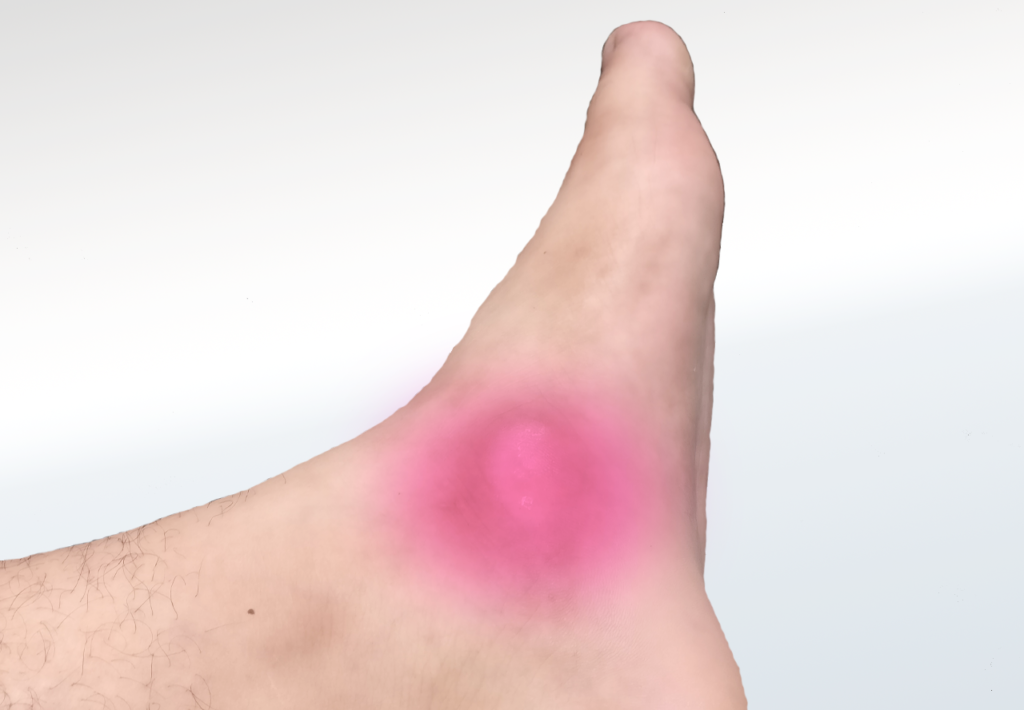 Accessory Bone/Navicular Syndrome
 -
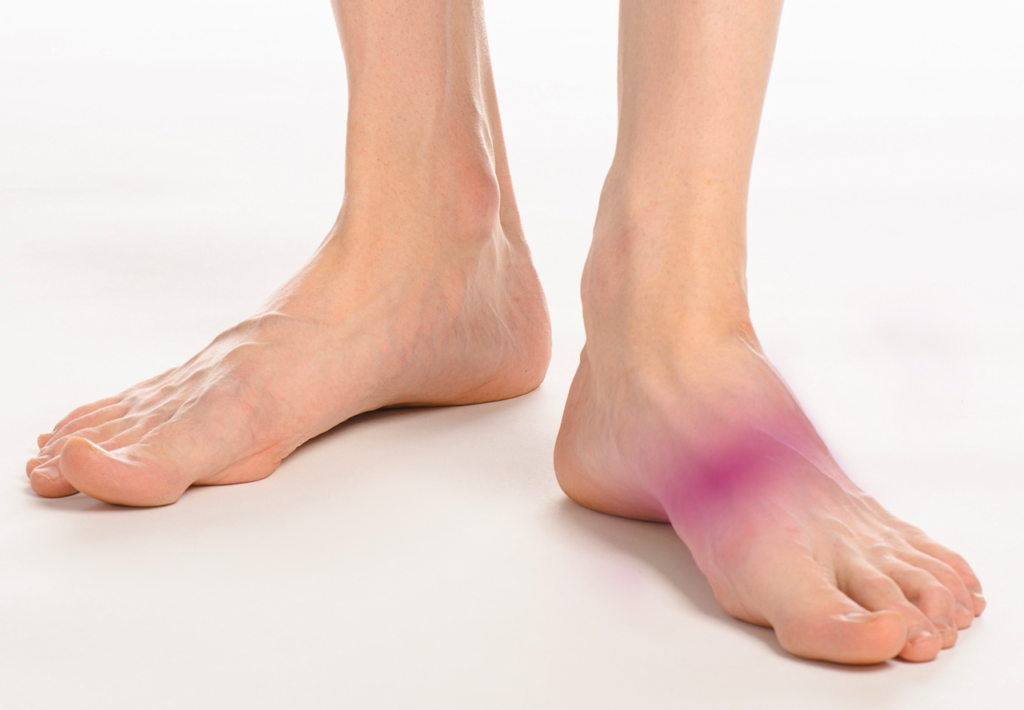 Midfoot Impingement Syndrome
Some possible conditions • Foot Pain – Inside of Foot – Midfoot
An accessory navicular is an extra bone or cartilage located on the center of the inside of the arch. This bone is present at birth and typically does not present any issues until the area is strained, such as with a twist or fall. The accessory bone lies just beside the navicular bone, which is where a tendon attaches that aids in maintaining arch height, as well as plantarflexion and inversion (down and inward motion) of the foot. Therefore, with a twisting fall or sprain this area is often injured. Accessory navicular syndrome is the result of irritation or inflammation to the surrounding tissues/bone within that tendon.
Typical presentation of navicular syndrome is a non-painful bump on the central inner aspect of the foot. Presentation after injury or with overuse may include pain and swelling to the inner ankle and inner foot, close to the ankle. The pain begins at the “bump” on the inner side of the foot or insertion point of the posterior tibialis tendon. The pain increases with inversion and eversion. People with navicular syndrome may be unable to rise on their tiptoes on that foot. Vague pain or throbbing to the midfoot and arch during or after periods of activity is a common finding.
The cause of the pain associated with an accessory navicular is most commonly due to a trauma to the area whether it be a fall, slip, twist or sprain. The accessory navicular can be present medially to the navicular without attachment, or with a cartilaginous attachment or with a full bone fusion to the navicular. There are no particular genetic features that determine the presentation of the accessory navicular. Overuse or ill-fitting footwear can also contribute to accessory navicular syndrome.
The initial treatment for navicular syndrome includes a medial heel wedge in shoes or custom orthotics, which can be dispensed following evaluation by a Pedorthist. Ensuring that footwear provides stability as well as moderate medial arch height and responsive cushioning will also aid in resolving the condition. In addition to a heel wedge or orthotic evaluation, medications such as non-steroidal anti-inflammatory will help. Rest and icing after initial presentation can help to reduce inflammation to the tendon, however often physical therapy is necessary to properly rehabilitate the tendon and gait to treat and prevent recurrence. Patients with significant pain may require immobilization with a pneumatic walker and crutches/walker in order to prevent further inflammation to the accessory bone and tendon. Patients that fail to respond to conservative treatment and prevention of recurrence may need surgical intervention. Patients with a flatfoot condition need further evaluation to reduce the overpull onto the posterior tibialis tendon and navicular bone.
A somewhat common condition of the midfoot is called Midfoot Impingement Syndrome. This condition is defined by pain to the entire top of the foot, only the inner or medial side, or only the outer or lateral side. The impingement felt by patients is due to a pinching effect to the joints of the midfoot or arch. When this occurs inflammation builds within the joints and surrounding tissues. If inflammation and pinching progresses, the cartilage begins to thin and degenerative joint disease or arthritis presents. The end stage can be a bone on bone presentation due to the pinching of the joints. The midfoot is composed of multiple small joints that together appear as the height of the arch.
The most common presentation of midfoot impingement syndrome consists of pain and swelling to the top of the foot or medial foot. Other presenting symptoms may include pain with walking, running or long periods of standing. Pain is more often described as a dull ache, but can progress to a sharp stabbing sensation, which increases throughout the day. Bony ridging or spurring can be felt across the top of the midfoot. Depending on severity, pain with shoes that lace-up or have straps across the midfoot can become very problematic.
When the height of the arch begins to sag, flatten or collapse, the small joints of the midfoot impinge on each other causing increased pressure to the stabilizing ligaments and joint capsules. Factors that are most common to causing the midfoot collapse include obesity, tight calf muscles, overuse, increased age, and improper footwear or inadequate arch support. Shoes that are very flexible often do not have a stabilizing arch, and this leads to excessive motion in the midfoot joints.
There are a multitude of treatment options for this condition with many conservative options to exhaust before considering surgical intervention. The first treatment should include changes in shoe gear, including a good arch support and a stable, well-fitting instep. Avoidance of barefoot walking or walking in unsupportive sandals/slippers is an important factor. Maintaining a healthy weight will decrease the stress to the midfoot, as well as beginning a home stretching routine for tight calf muscles. Additional treatment options include both over-the-counter and prescription non-steroidal anti-inflammatory medications such as ibuprofen and naproxen, as well as icing, orthotics (custom made) and steroid injections. Seeking a professional consultation with a Chiropodist or Pedorthist will aid in reducing the impingement and treating your symptoms. Most patients improve with conservative therapy only; those that do not may require surgical intervention.


