

What hurts?
Some possible conditions • Leg Pain – Posterior
-
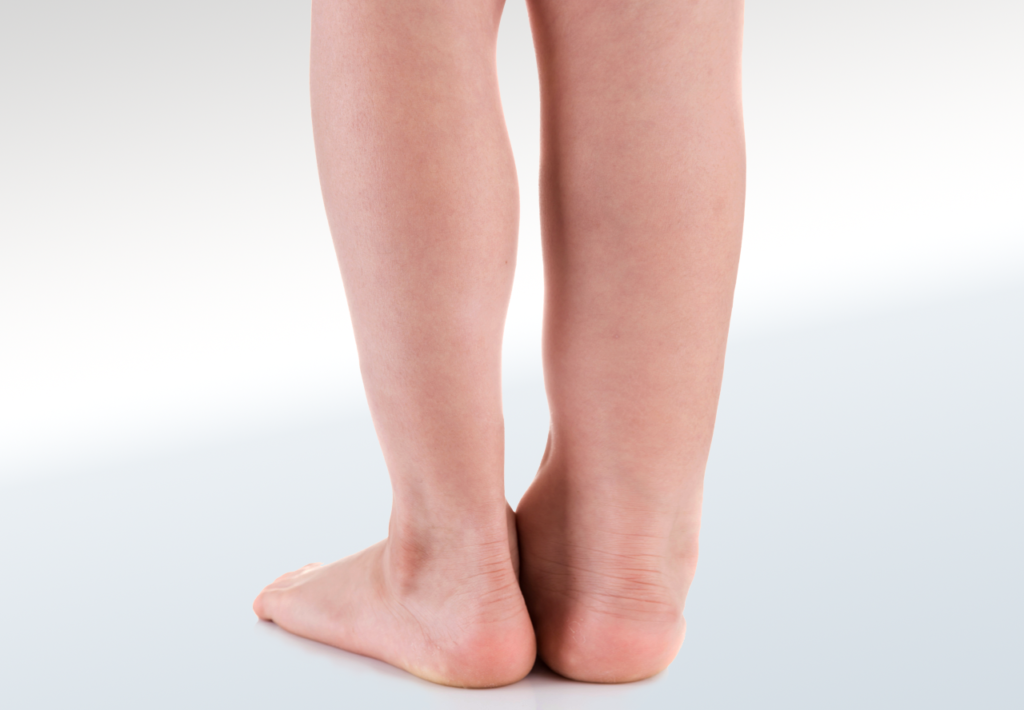 Swelling
 -
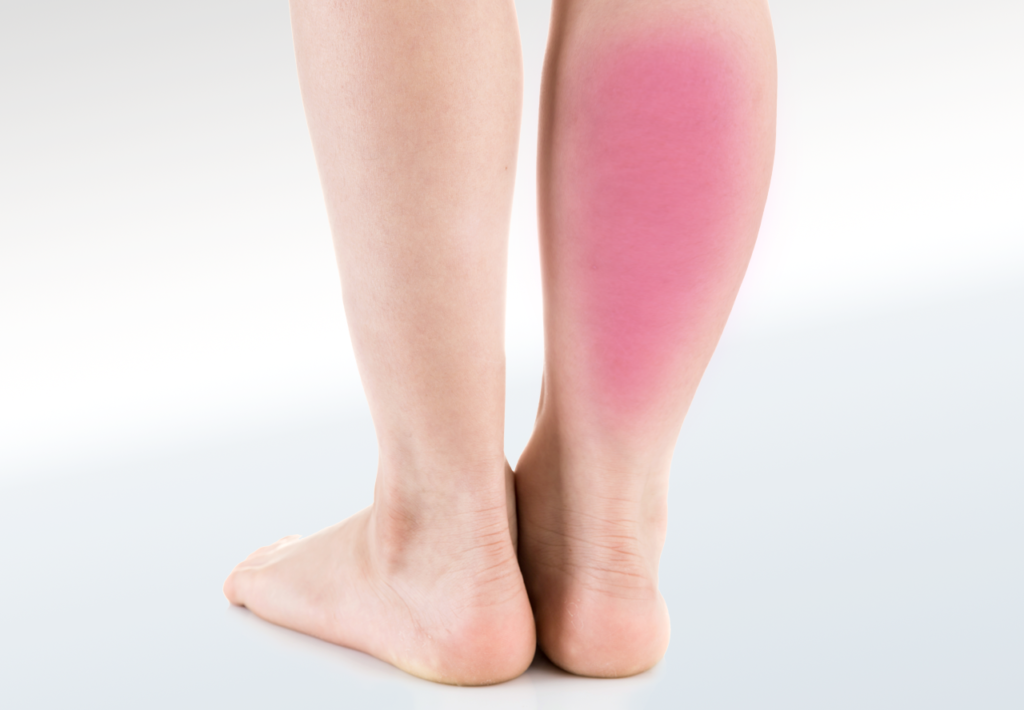 Blood Clot
 -
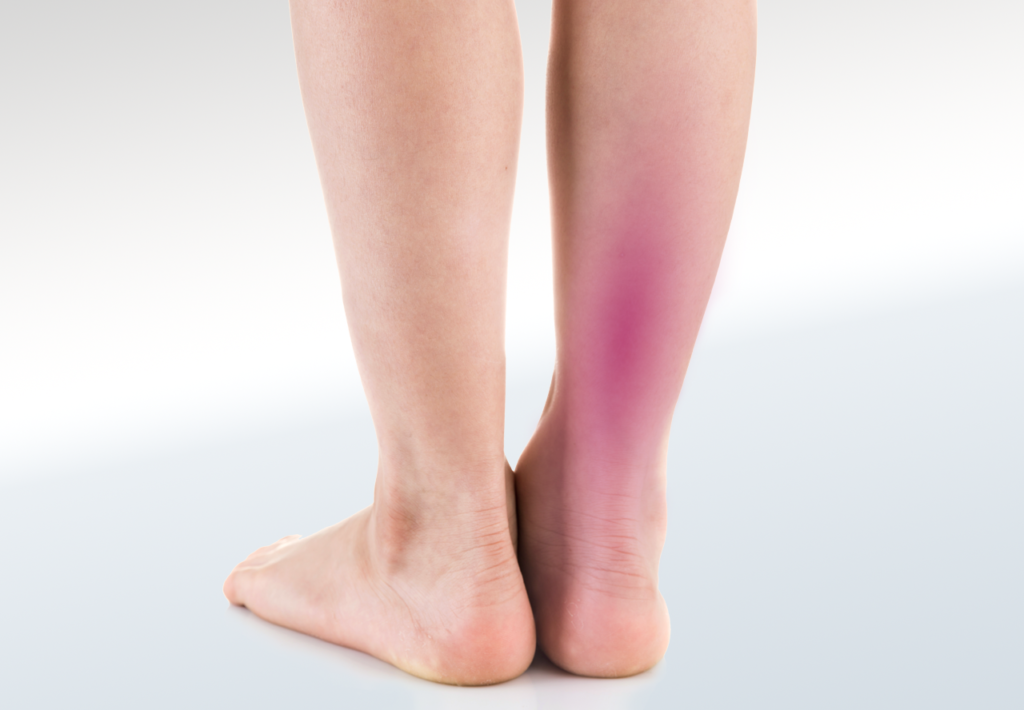 Achilles Tendinitis/Tendinosis/Tear
Some possible conditions • Leg Pain – Posterior
Chronic (long standing) leg swelling caused by the retention of fluid in leg tissues is also known as peripheral edema. It can be caused by a problem with the venous circulation system, the lymphatic system or the kidneys. Any sudden onset leg swelling with or without injury is reason to seek immediate medical attention. This could be an infection, fractured bone, or blood clot.
Most often people with chronic leg swelling complain of feeling a heaviness in their swollen leg(s) and an achiness or sometimes, pain. It can make walking distances or activity uncomfortable or unachievable. There may some skin changes to your leg that might include skin discoloration, wound formation +/- drainage.
Medicines and pregnancy can cause leg swelling. It also can be the result of a disease, such as congestive heart failure, kidney disease, venous insufficiency, blood clot or cirrhosis of the liver. A primary care professional or vascular specialist can offer more details on what is causing your swelling.
Mild swelling can go away on its own. Wearing compression garments and raising the affected leg higher than the heart when lying down helps.
Graduated compression socks and medicines that help the body get rid of too much fluid can treat worse forms of edema. A primary care provider can decide about the need for these water pills. Compression socks work by pushing stagnant fluid in the legs back up to the heart by leveraging your calf muscle pump. Over time, this improves any achiness, fatigue, discomfort, and reduces possible damage to leg skin.
Treating the cause of the swelling is often the focus over time. If edema is a result of medicines, for example, a care provider might change the dose or look for another medicine that doesn't cause edema.
A blood clot, known as Deep vein thrombosis (DVT), is a medical condition that occurs when a blood clot forms in a deep vein. These clots usually develop in the lower leg, thigh, or pelvis, but they can also occur in the arm. They can happen to anybody and can cause serious illness, disability, and in some cases, death. The good news is that a DVT is preventable, and treatable if discovered early.
About half of people with a DVT have no symptoms at all. However, the following are the most common symptoms of a DVT in the leg:
• Swelling
• Pain
• Tenderness
• Redness of the skin or purple discoloration
Items that cause a DVT include anything that damages the inner lining of a vein; e.g. surgery, an injury, or your immune system. If your blood is thick or flows slowly, it's more likely to form a clot, especially in a vein that's already damaged. People who have certain genetic disorders or more estrogen in their system are more likely to have blood clots. When the knee is bent, blood stays stagnant in the lower leg for longer. This is why long flights put you at risk.
People with a higher risk of getting a leg DVT are those who:
• Have cancer
• Have had surgery
• Are on extended bed rest
• Are older
• Smoke
• Are overweight or obese
• Sit for long times, like on a long airplane flight
Medication is often used to prevent and treat DVTs. Compression stockings (CS) are recommended to prevent DVTs and relieve pain and swelling. These need to be worn for at least 2 years if you’ve already had a DVT. In severe cases, the clot might need to be removed surgically. CS are an easy, preventative tool and are available at all BioPed clinics.
Achilles tendonitis is a common condition affecting one of the largest tendons in the body. The tendon connects the calf muscles to the heel bone and is vital in the function of walking, running, climbing stairs, jumping, and standing on tiptoes. Tendonitis occurs when the tendon becomes acutely inflamed and irritated. Tendinopathy is often associated with this condition, described as microscopic degeneration due to chronic damage over a period of time. There are two distinct types of Achilles tendonitis, insertional and non-insertional tendonitis. Unfortunately, the two types of Achilles tendonitis can occur separately or succinctly. Non-insertional Achilles tendonitis is characterized by inflammation of the fibers in the middle portion of the tendon, above the attachment to the heel bone. Whereas, insertional Achilles tendonitis involves the lower portion of the tendon as it attaches to the heel bone. The tendon fibers may calcify over time and bone spurs can form on the back of the heel.
The symptoms associated with Achilles tendonitis include pain and stiffness along the Achilles tendon particularly first thing in the morning, pain along the back of the heel that worsens with activity, and thickening of the tendon. Bone spur formation, chronic swelling and pain with shoe wear are also signs and symptoms of tendonitis. Non-insertional Achilles tendonitis is more often found in younger, and active patients. When there is palpation pain in the middle of the tendon for non-insertional or at the back of the heel bone for insertional, it’s associated with limited range-of-motion in your ankle.
Achilles tendonitis, unlike Achilles ruptures, is not usually related to a specific injury. Repetitive stress to the tendon, such as over exertion is the most common cause. Other factors that contribute to the development of Achilles tendonitis include tight calf muscles, haglund’s deformity, or a sudden increase in the intensity or amount of exercise.
Treatment for Achilles tendonitis is aimed at providing pain relief and reducing inflammation. Anti-inflammatory medication, such as ibuprofen, or prescription medication may be used to reduce the inflammation within the tendon. Initial treatment may include rest, icing, footwear modification, orthotics, stretching/physical therapy and oral medications. Physical therapy is aimed at stretching and strengthening the calf muscles and reducing stress on the Achilles tendon. A Pedorthist can fit and dispense a night splint, which holds the foot in place while in a calf stretch position while you sleep. Maintaining healthy calf flexibility will not only help treat Achilles tendonitis but will aid in preventing recurrent issues. Supportive footwear with an open back or soft heel may help to reduce the shearing and irritation of the tendon during healing. A pneumatic walking boot may be necessary for severe pain and inflammation, often a period of non-weight bearing is necessary to reduce the strain to the tendon. More advanced therapies such as extracorporeal shockwave therapy have shown to promote healing of the damaged tendon.


