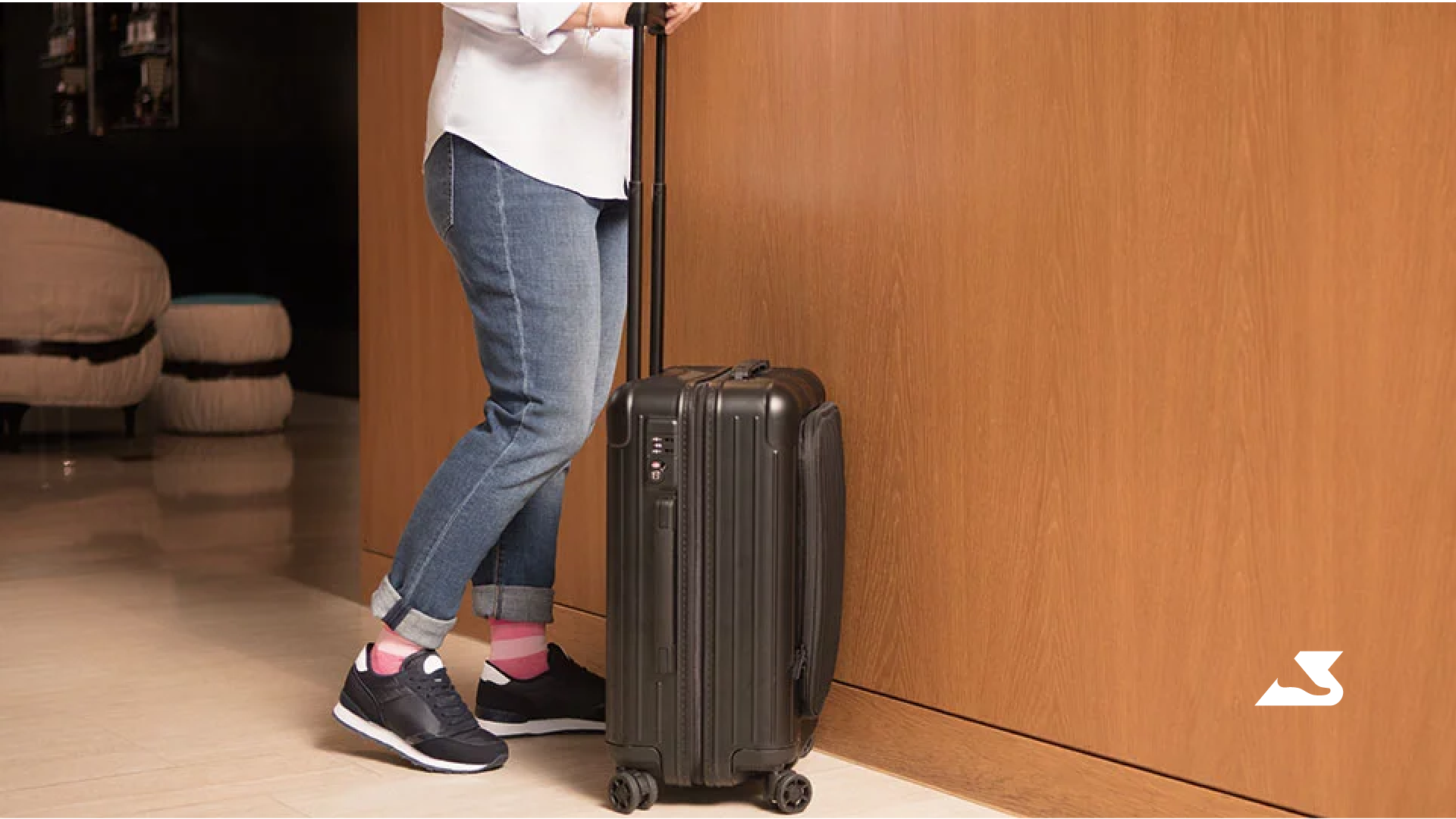
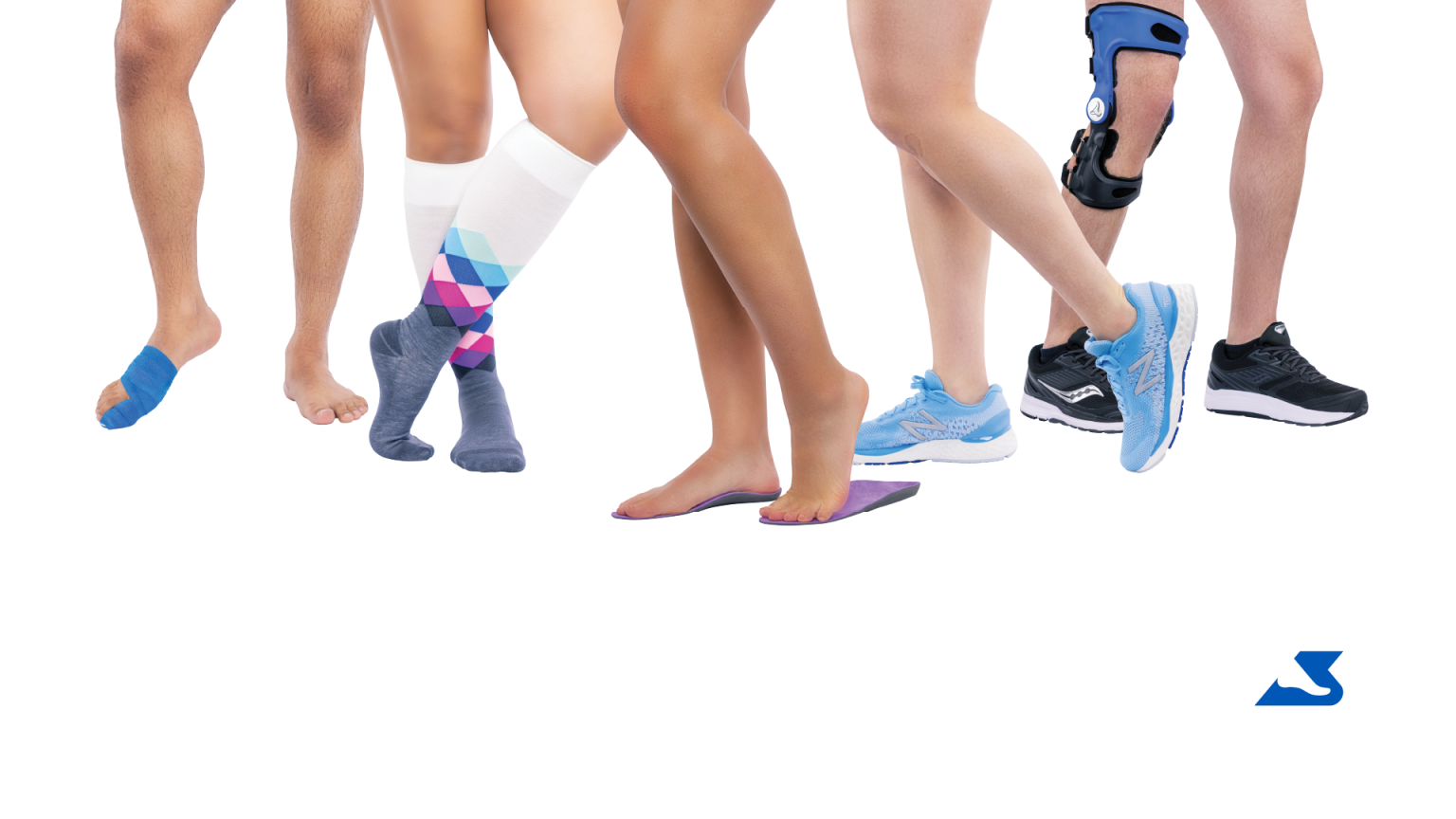
March Break is a time to unwind, explore new places, or visit friends and family. Whether you are headed on a long flight, a road trip, or a walking tour, your body will feel the effects of all the hours spent sitting and moving in unfamiliar ways. The first thing you can do to help is to pack a good pair of compression socks as part of your trip gear!
Pregnancy can be an incredibly exciting journey. However, there are many physical changes that women endure as the baby develops over the 40 weeks of gestation.
Athletes and fitness enthusiasts are always on the lookout for ways to enhance their performance and speed up recovery. One method that has gained popularity in recent years is the use of compression garments. But how exactly do these garments work, and can they truly help with faster recovery after sports? Let's delve into the science behind compression and how it can benefit your post-exercise routine.
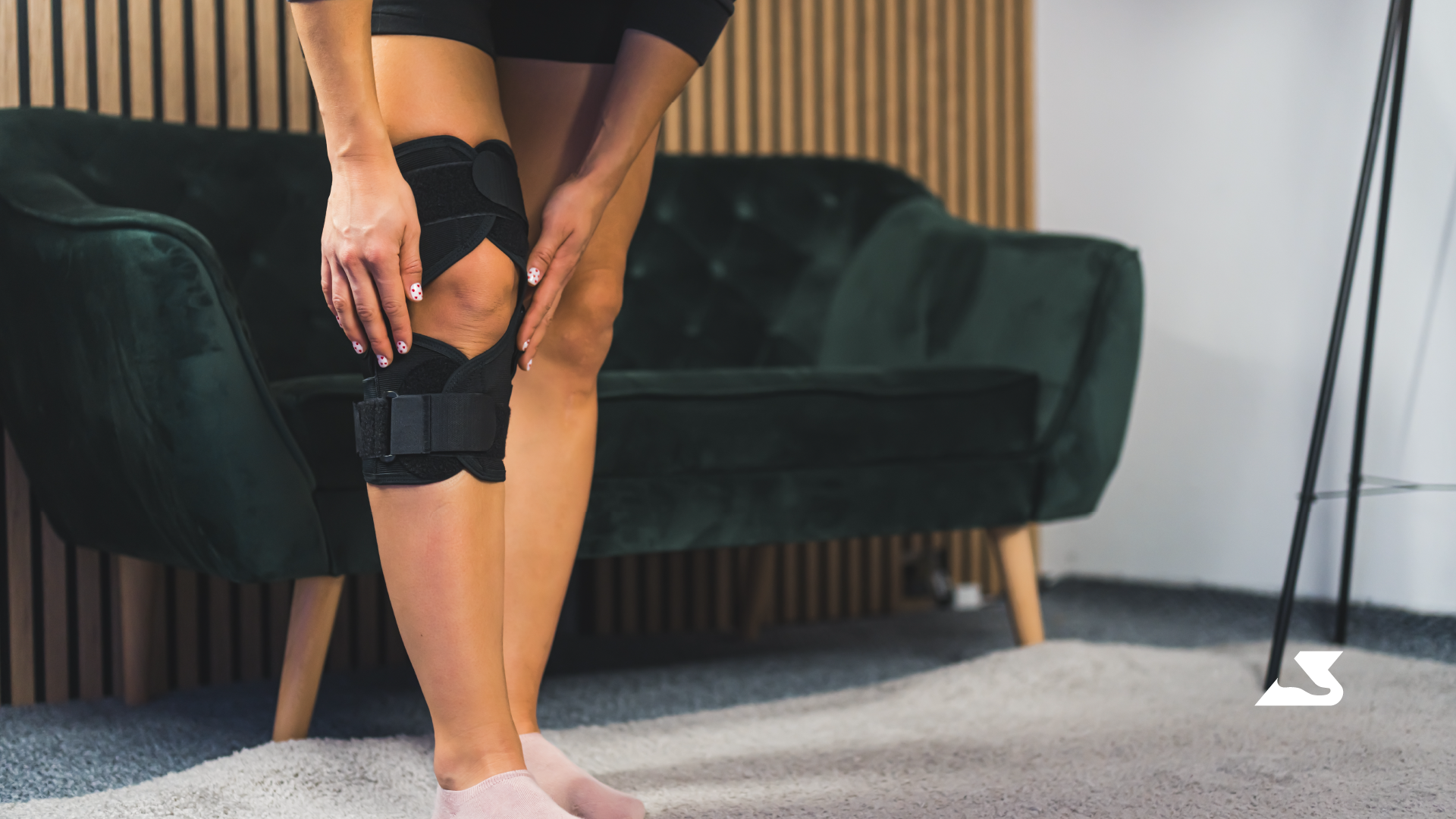
Whether it is stiff knees, or swollen ankles, arthritis can make everyday activities, such as walking, uncomfortable. There are, however, practical real-world solutions to help keep you moving and doing more of the things you love. One of the easiest solutions is bracing or compression socks.
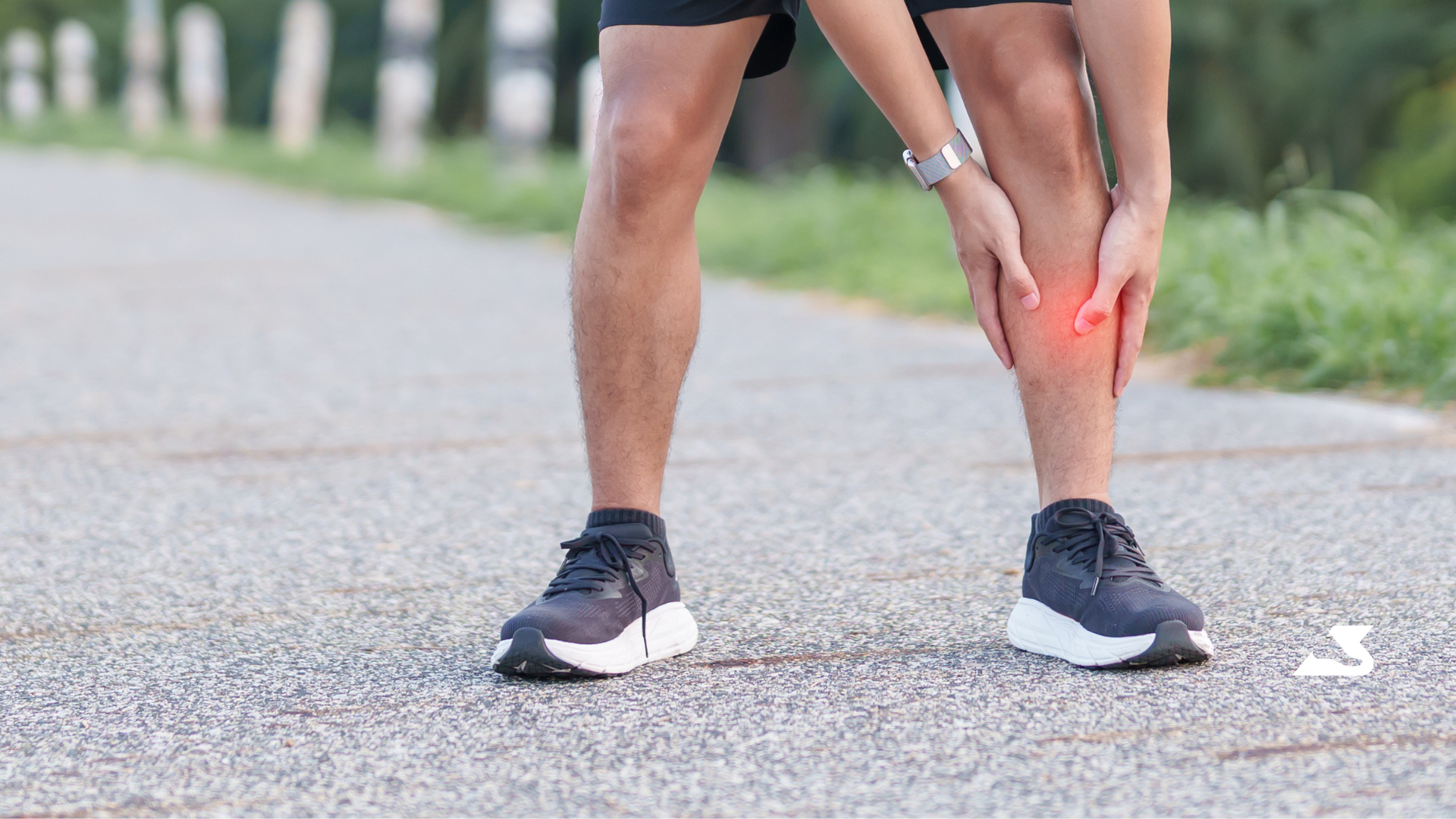
Experiencing pain along the front or inside of your lower leg? You could be experiencing Shin Splints. Shin Splints is especially common in people who run, hike, play high-impact sports like basketball or soccer, or have recently increased the intensity or frequency of their physical activity.
There are important differences to note when choosing one over the other. We’ll take a moment to outline the differences and provide guidance on selecting the best socks for your needs.
We get it, the holidays can be a hectic time but don’t let getting a gift be that way. BioPed offers many quick gift ideas that could be perfect for those that you love! Check out these suggestions for the holiday season.