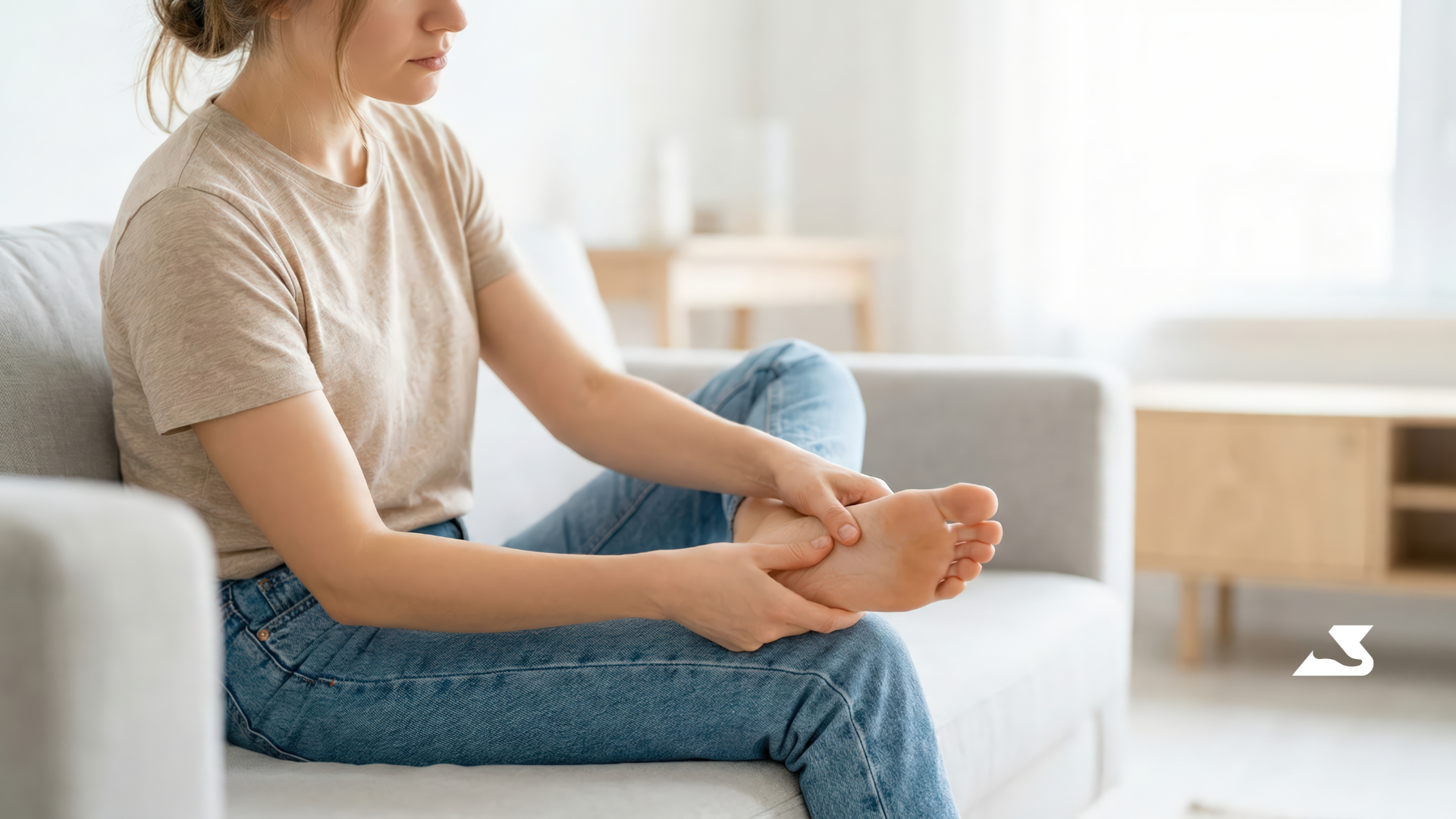
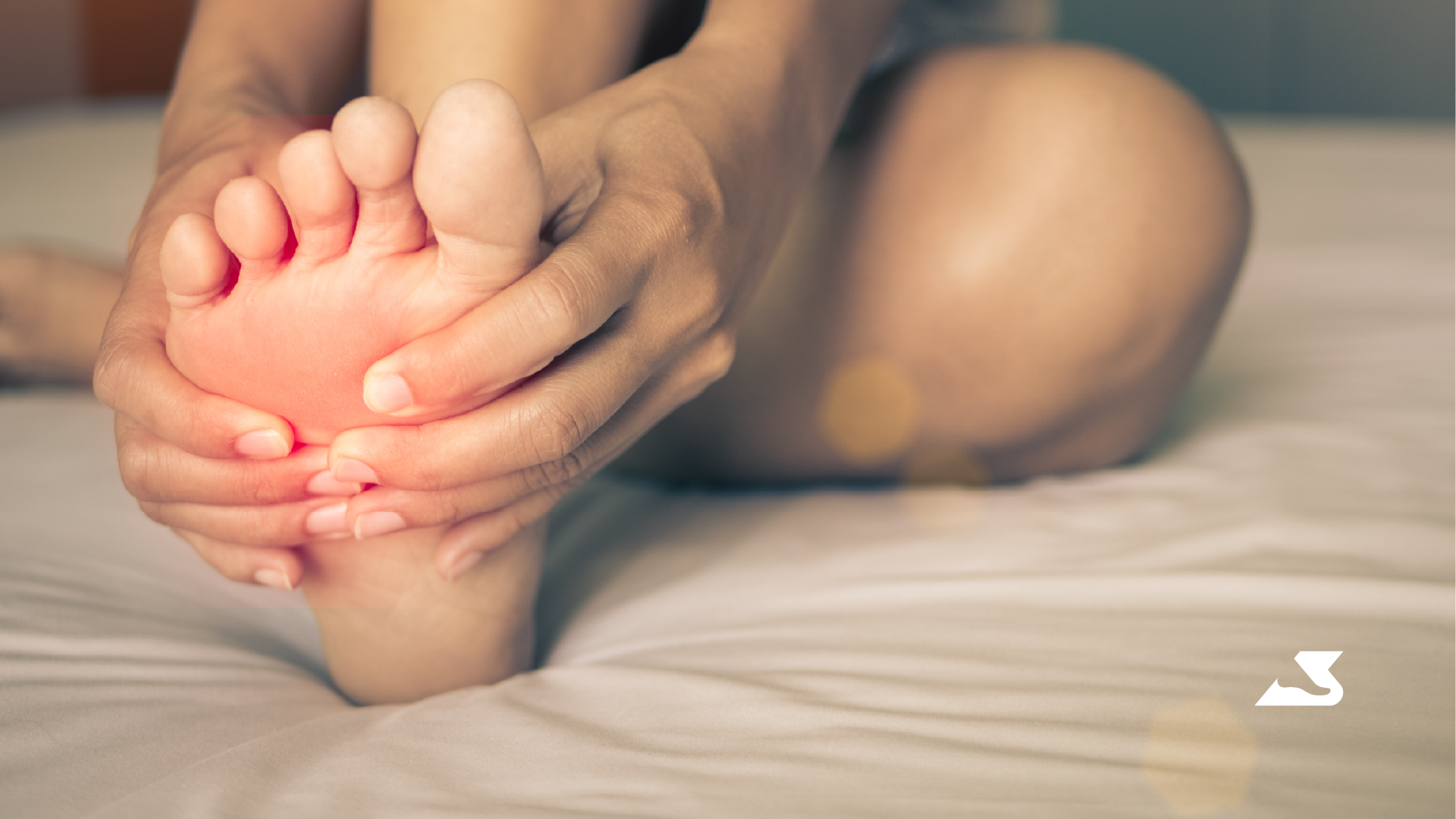
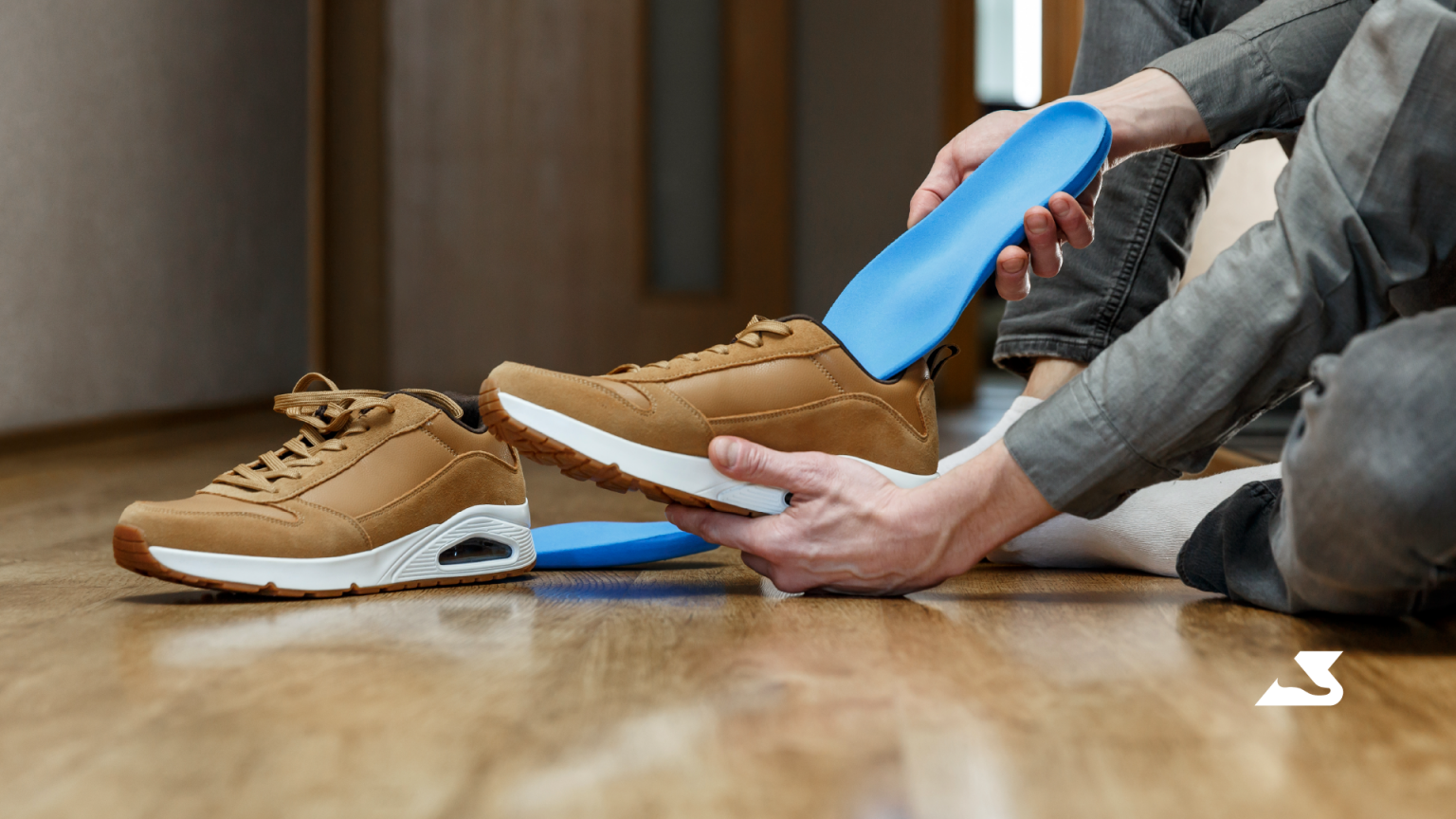
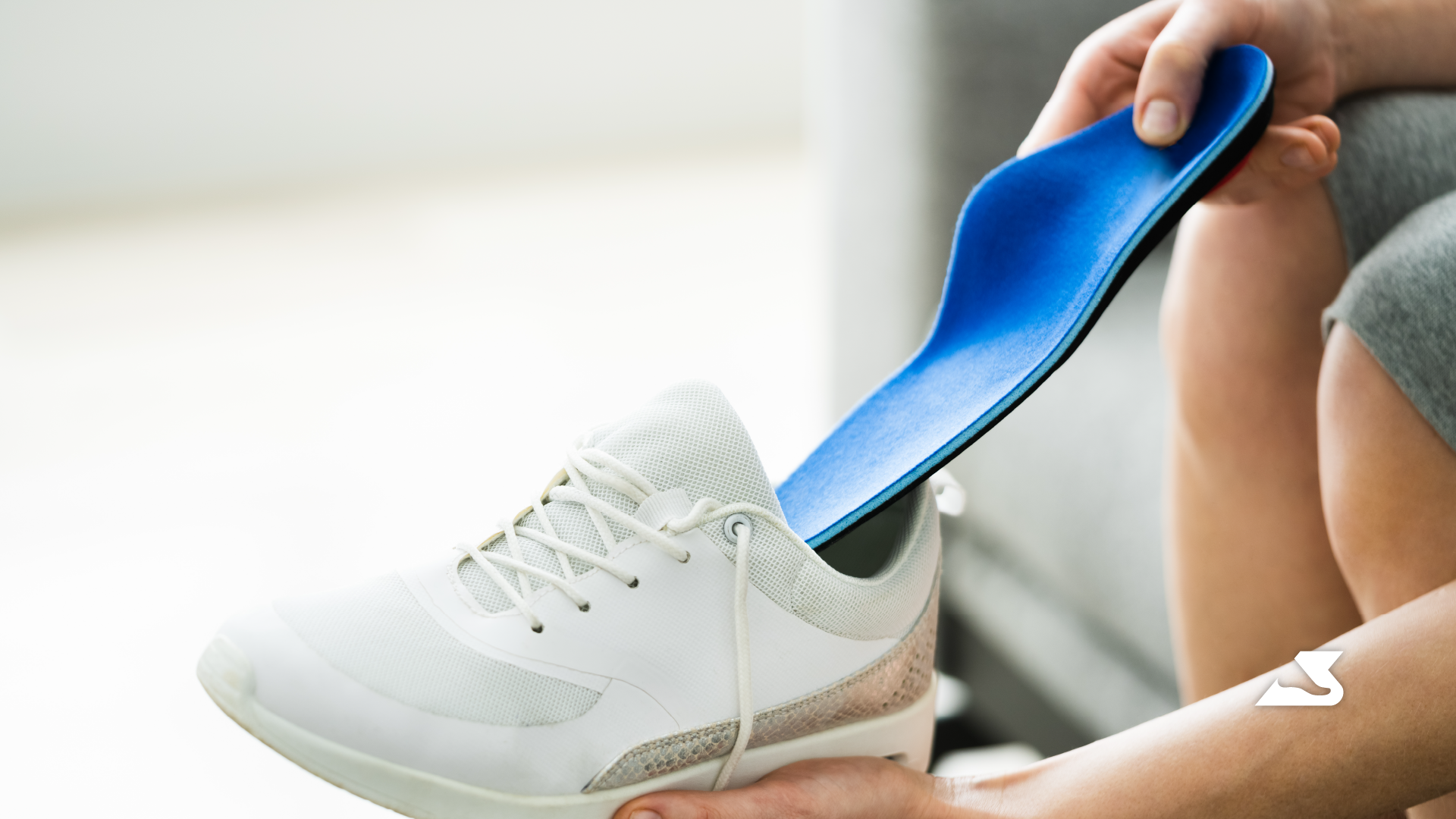
Living with arthritis can be painful, especially when it affects your feet. Your feet bear the weight of your entire body, and arthritis in the feet can make simple tasks like walking, standing, or climbing stairs feel overwhelming. The good news is that custom orthotics can help reduce your pain and discomfort and protect your joints!
That’s where orthotics and supportive slippers can be a game-changer. With the right support, you can keep your feet comfortable and ready for every occasion, from cookie baking to cocktail parties.
Stiff, creaky knees and hips or swollen, sore fingers are often attributed to arthritis. Arthritis can affect any joint in the body, including our toes!
How have your custom orthotics been holding up lately? Your orthotics can undergo a lot of wear and tear throughout the day, whether you use them in work boots, dress shoes, sandals, or a combination of them all!
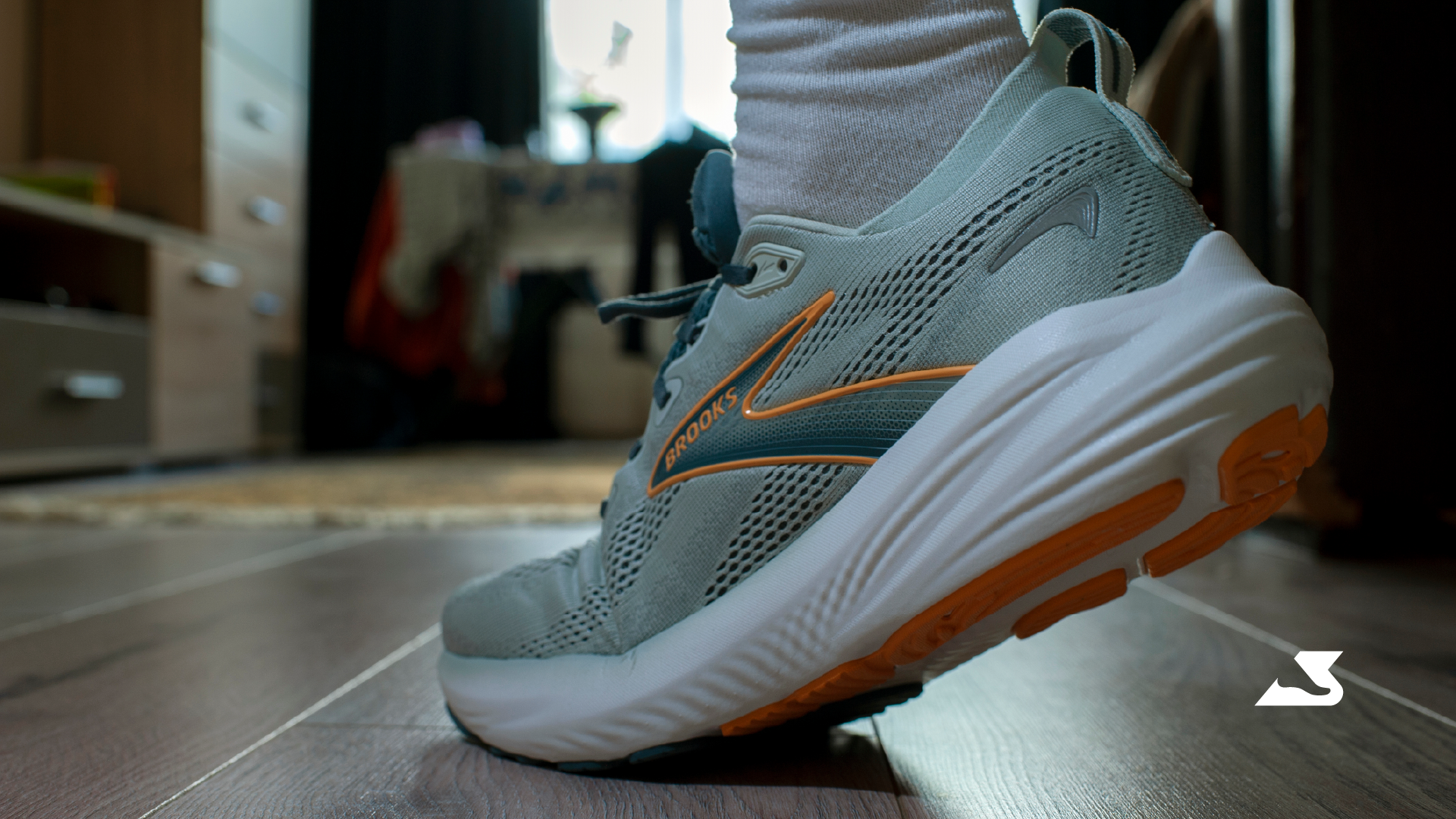
Have you gone shoe shopping and become overwhelmed? With so many styles, features and latest technologies, it’s tough to know what matters and what is just the newest fad. Whether you are considering new shoes, wondering whether orthotics could help, or simply curious about how footwear works, understanding key features goes a long way. Heel depth, rocker soles, heel drop, different widths, cushioning, are only a few of the terms used to describe features of a shoe. Knowing what they are and why they matter can make you more confident when choosing a shoe.
Pain in the feet can hit at any time. Whether it’s while scoring your next goal or carving it out on the slopes, we’ve got your feet covered with comfort in mind!