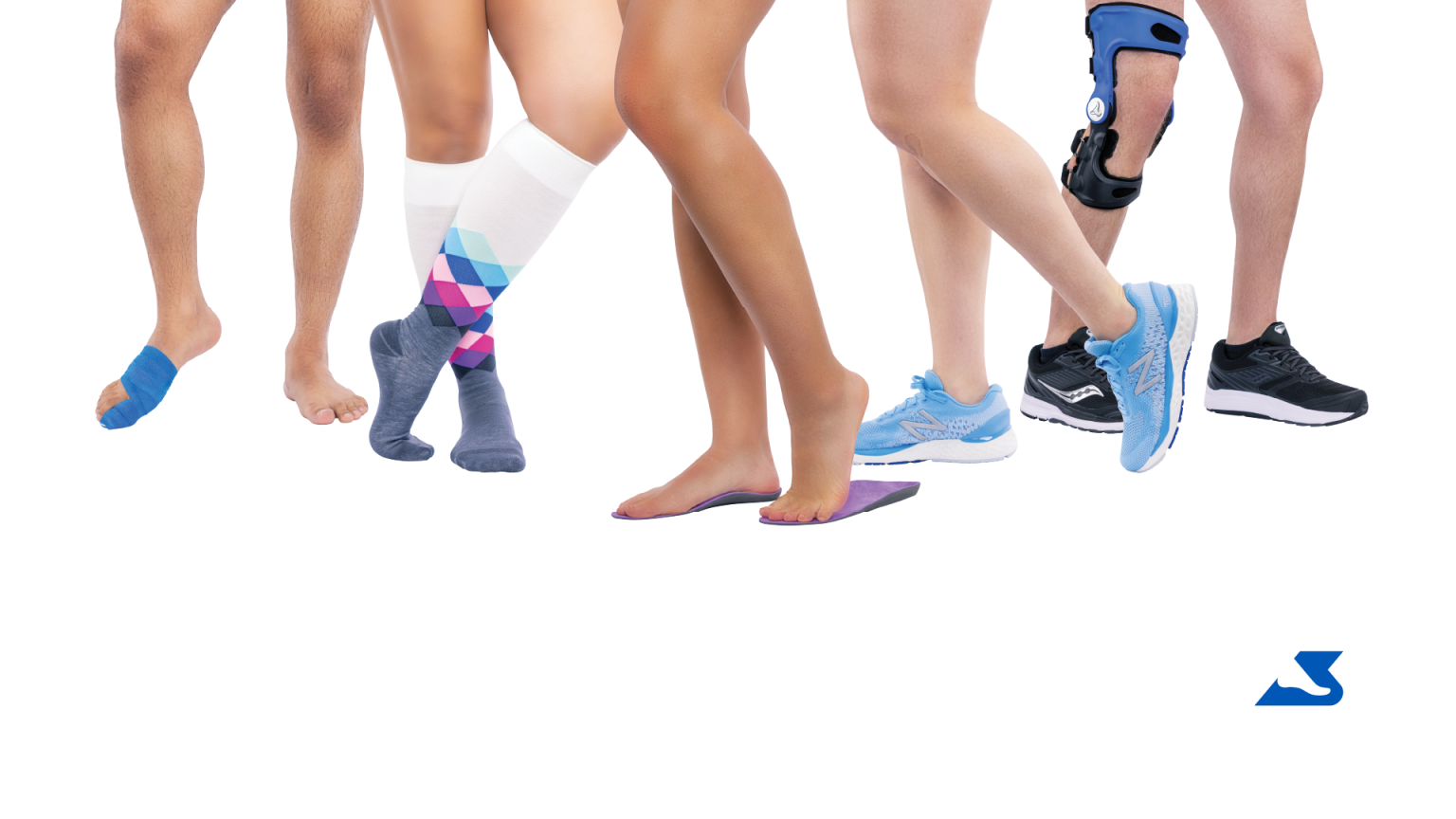
There are important differences to note when choosing one over the other. We’ll take a moment to outline the differences and provide guidance on selecting the best socks for your needs.
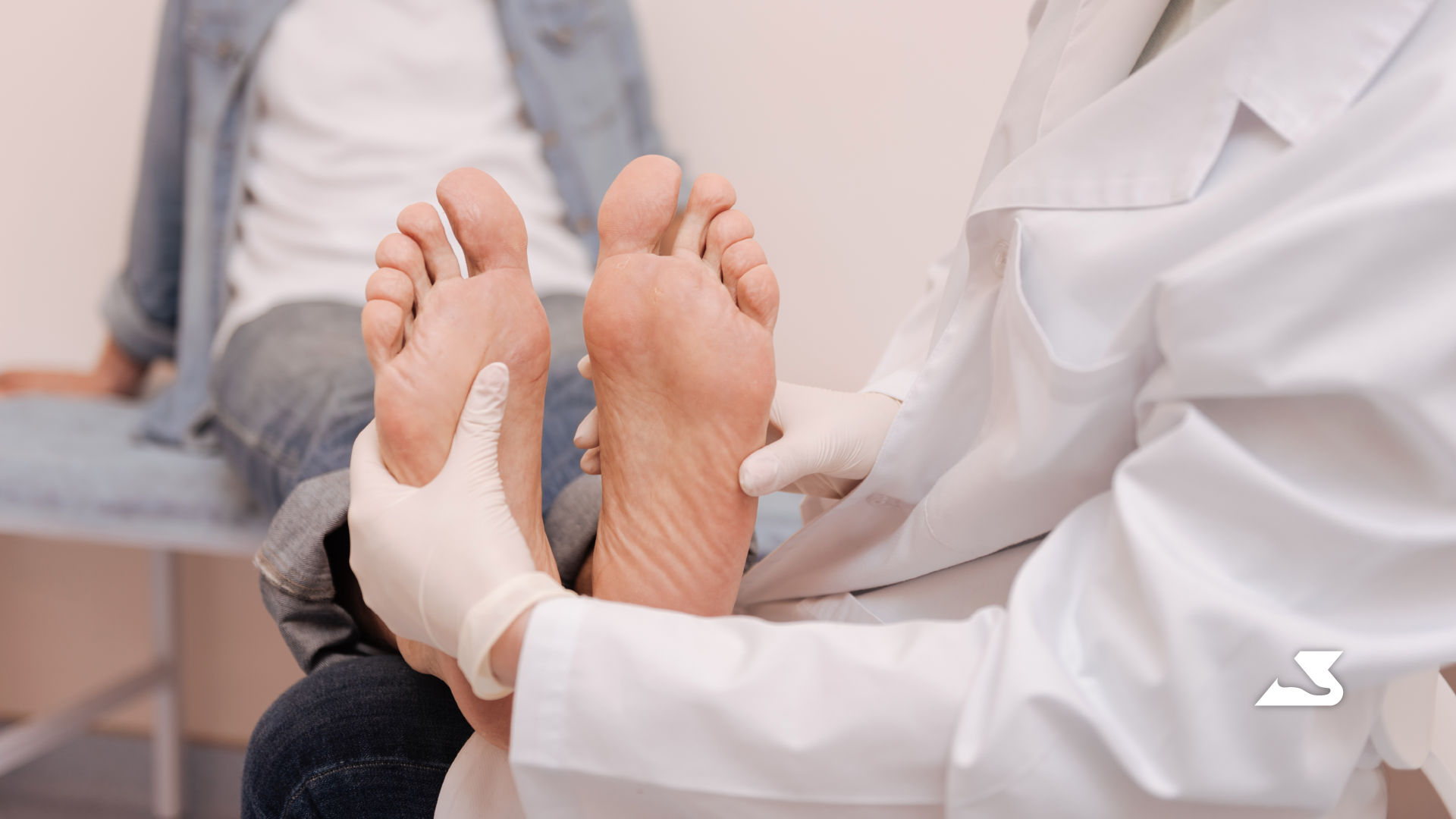
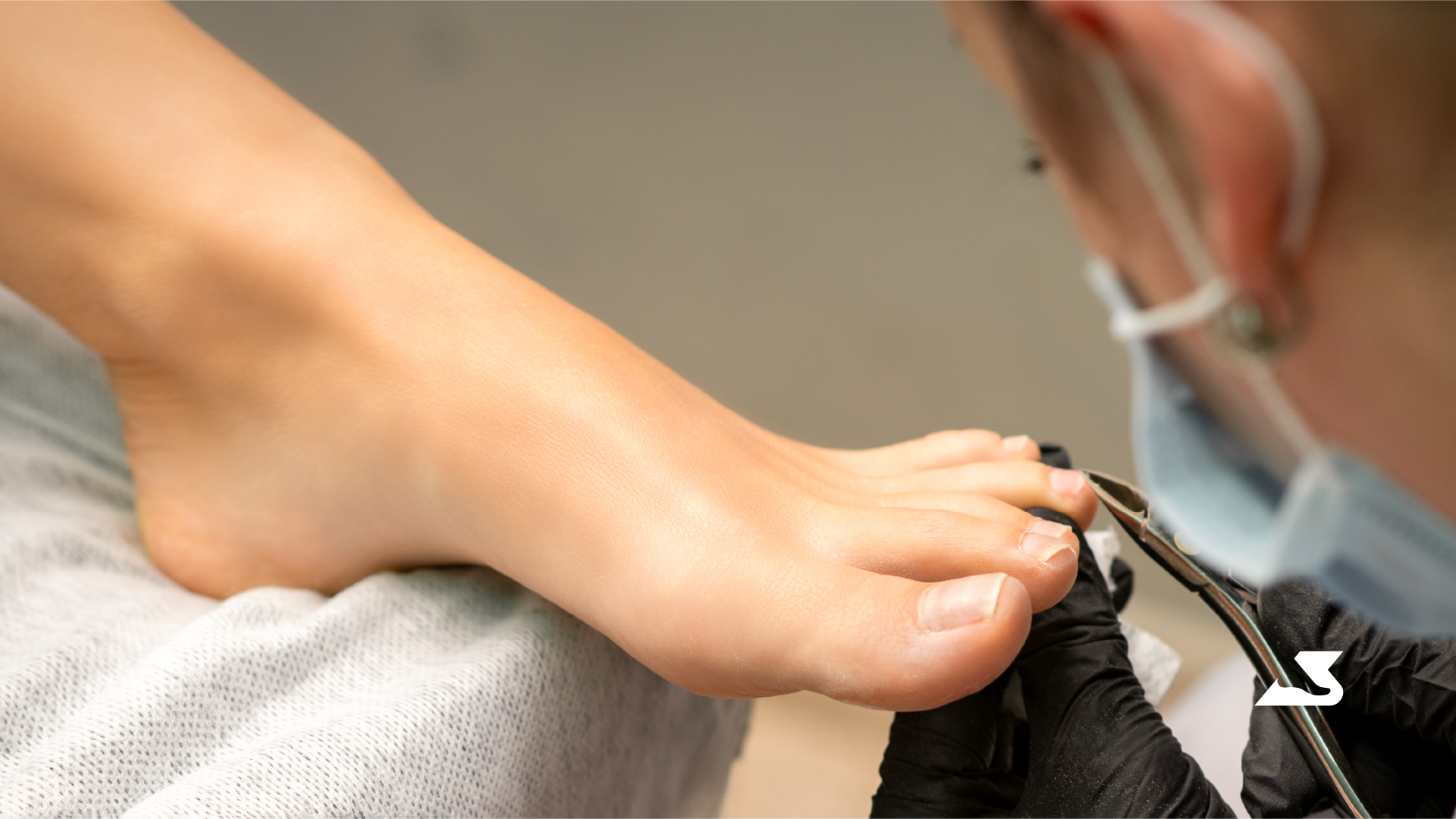
Chiropodists are Medical Footcare Clinicians who can prescribe oral and topical medications and can perform soft tissue surgical procedures and injections into the feet. Let’s learn how a Chiropodist can help you today!
According to Diabetes Canada (Feb 2020), diabetes affects the lives of almost 11 million Canadians. Diabetes is the inability for the body to make or properly use insulin, and it impairs the body’s ability to convert sugars, starches and other foods into energy.
Diabetes is a disease that affects the body’s ability to use food properly, which results in more sugar or glucose freely circulating in the blood. It’s possible to live a healthy life with diabetes. To do so, it’s important to learn and follow proper diabetes management, which takes awareness, discipline, and commitment.
Living with diabetes means paying attention to the details, especially when it comes to foot health! One of the small but important details is wearing the correct socks, specifically a diabetes-friendly sock. You might wonder why socks matter so much, but for clients with diabetes, the right sock can help them prevent complications such as blisters, or fungal infections and helps support overall foot health.
Diabetes is a condition whereby the body does not make insulin or has trouble recognizing it. Insulin is crucial for storing food sugars. With diabetes, the sugars are not stored properly and remain at high levels in the blood stream.
If you’re experiencing common painful foot conditions like plantar fasciitis, bunions, or flat feet, a Registered Chiropodist can help you in many ways!
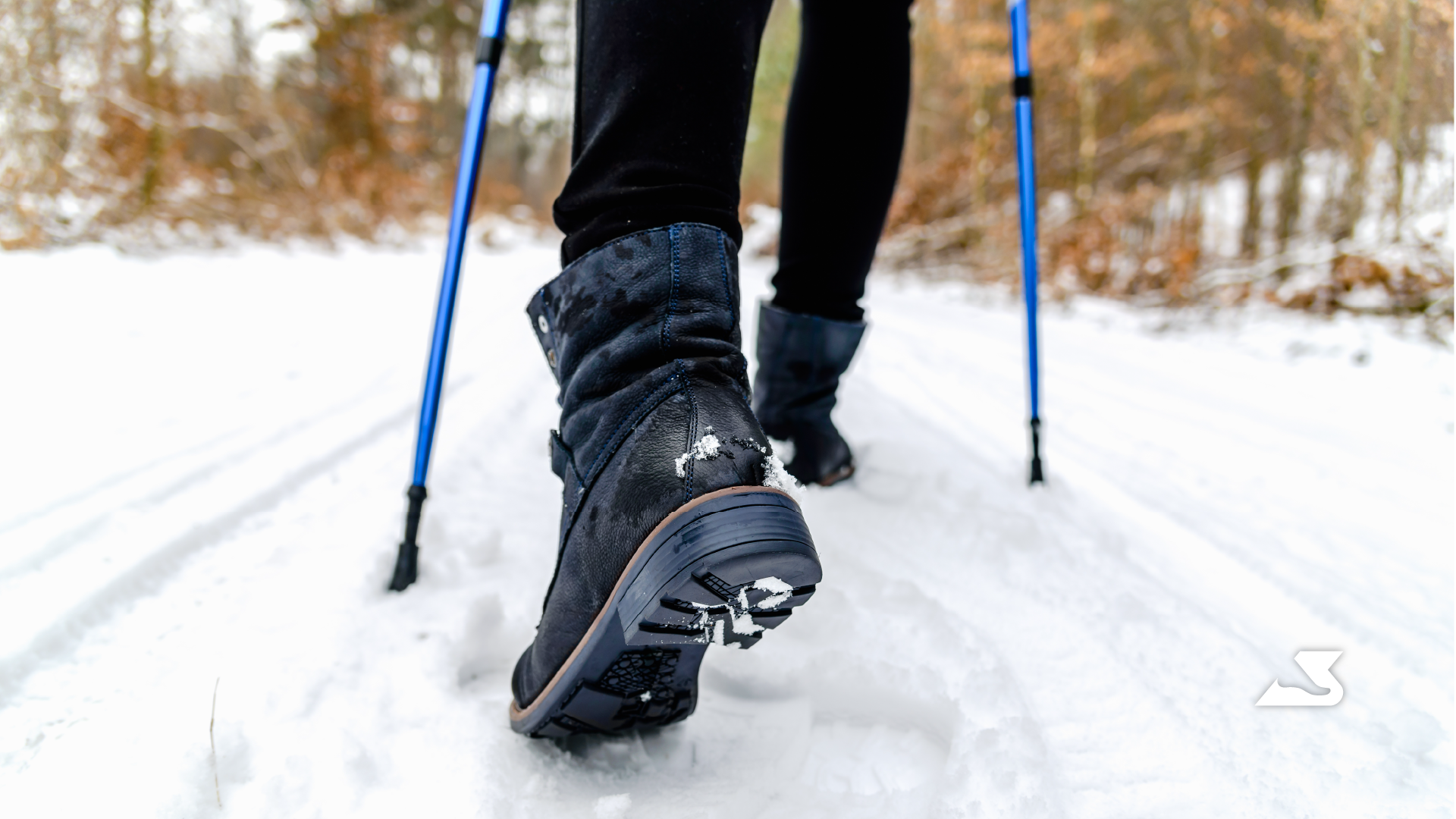
Diabetes can be tricky to navigate if you have just been diagnosed. Let’s review a few tips and tricks to keep those feet healthy, and happy well into your upcoming winter walks!