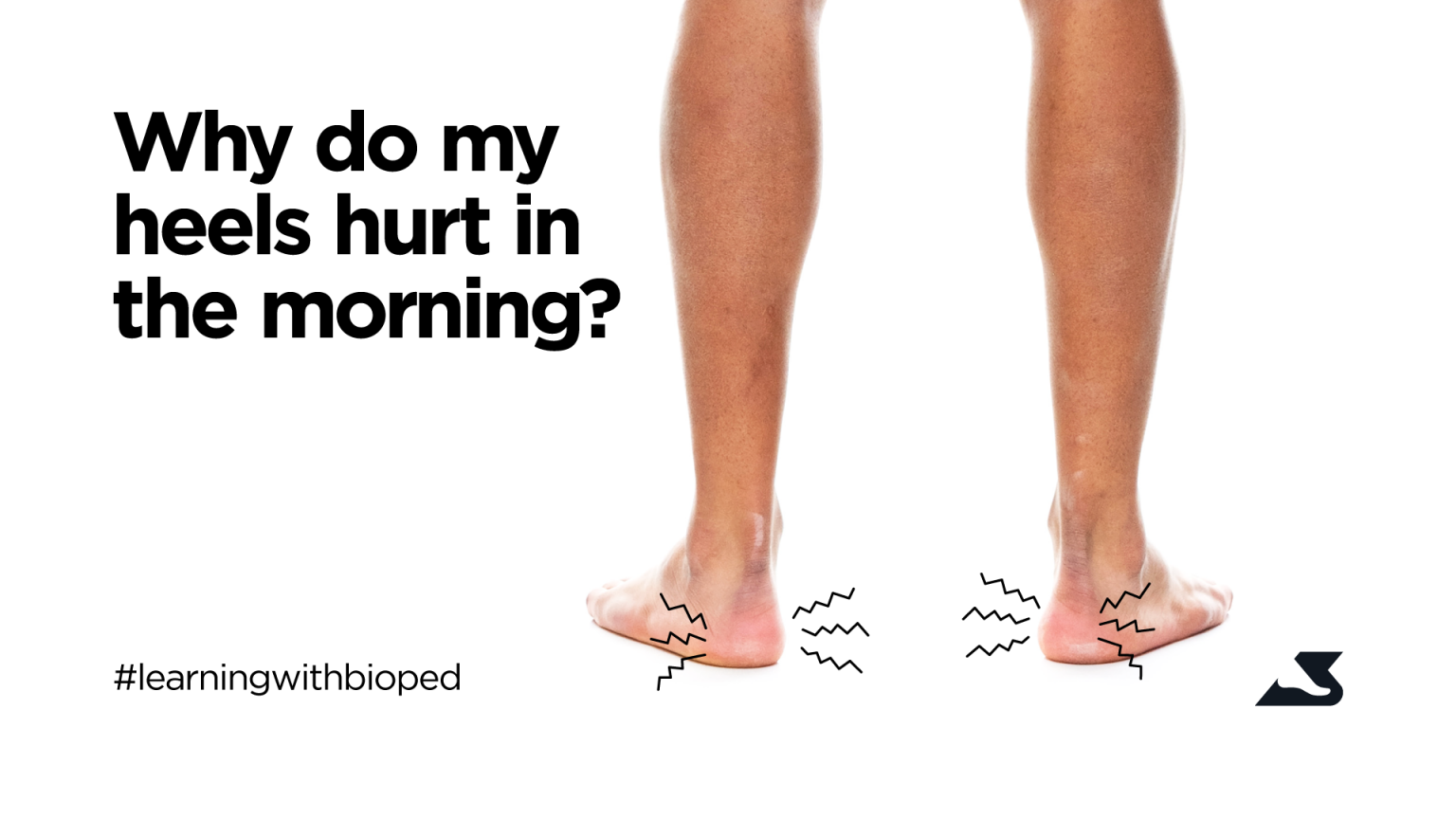
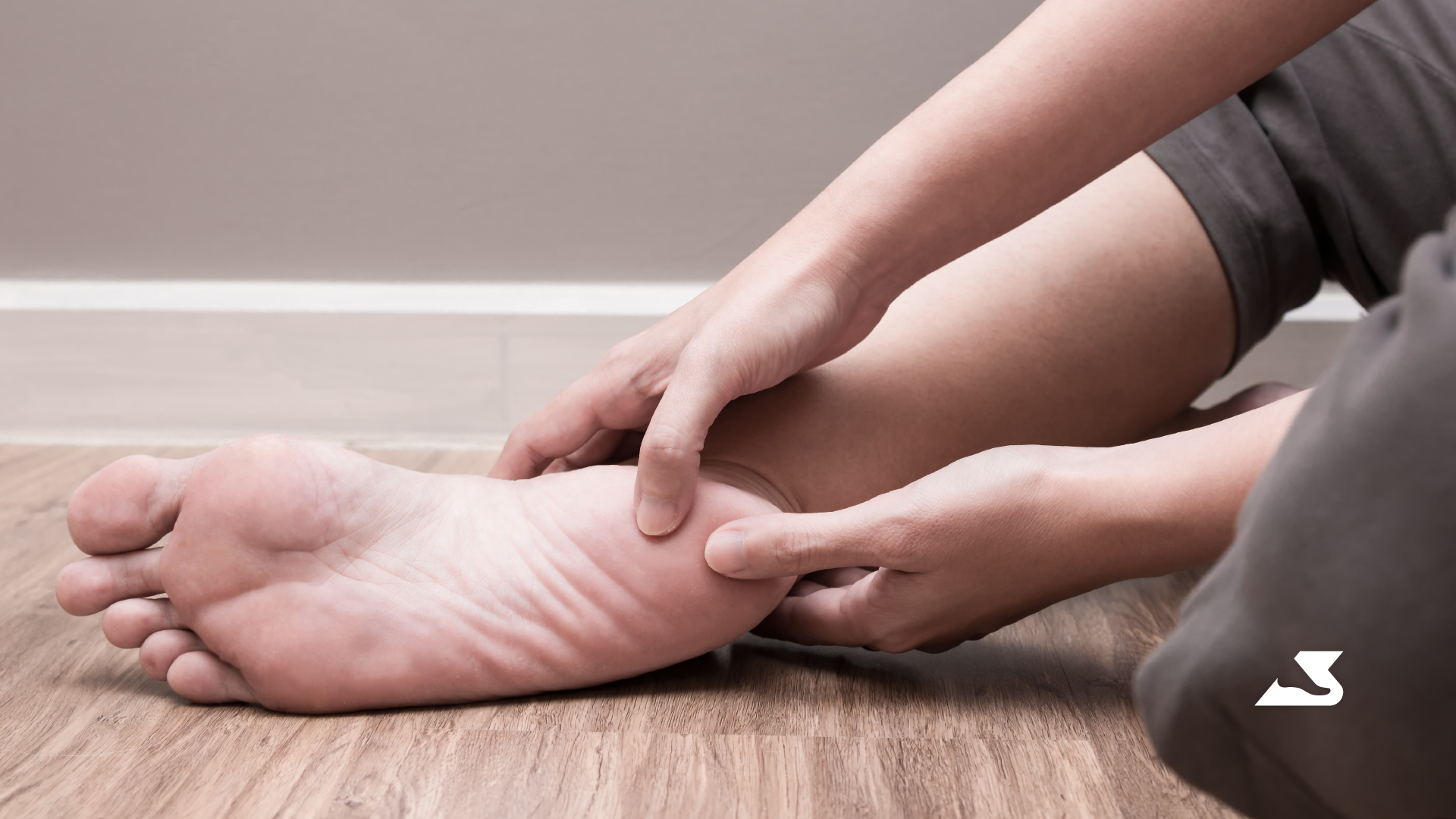
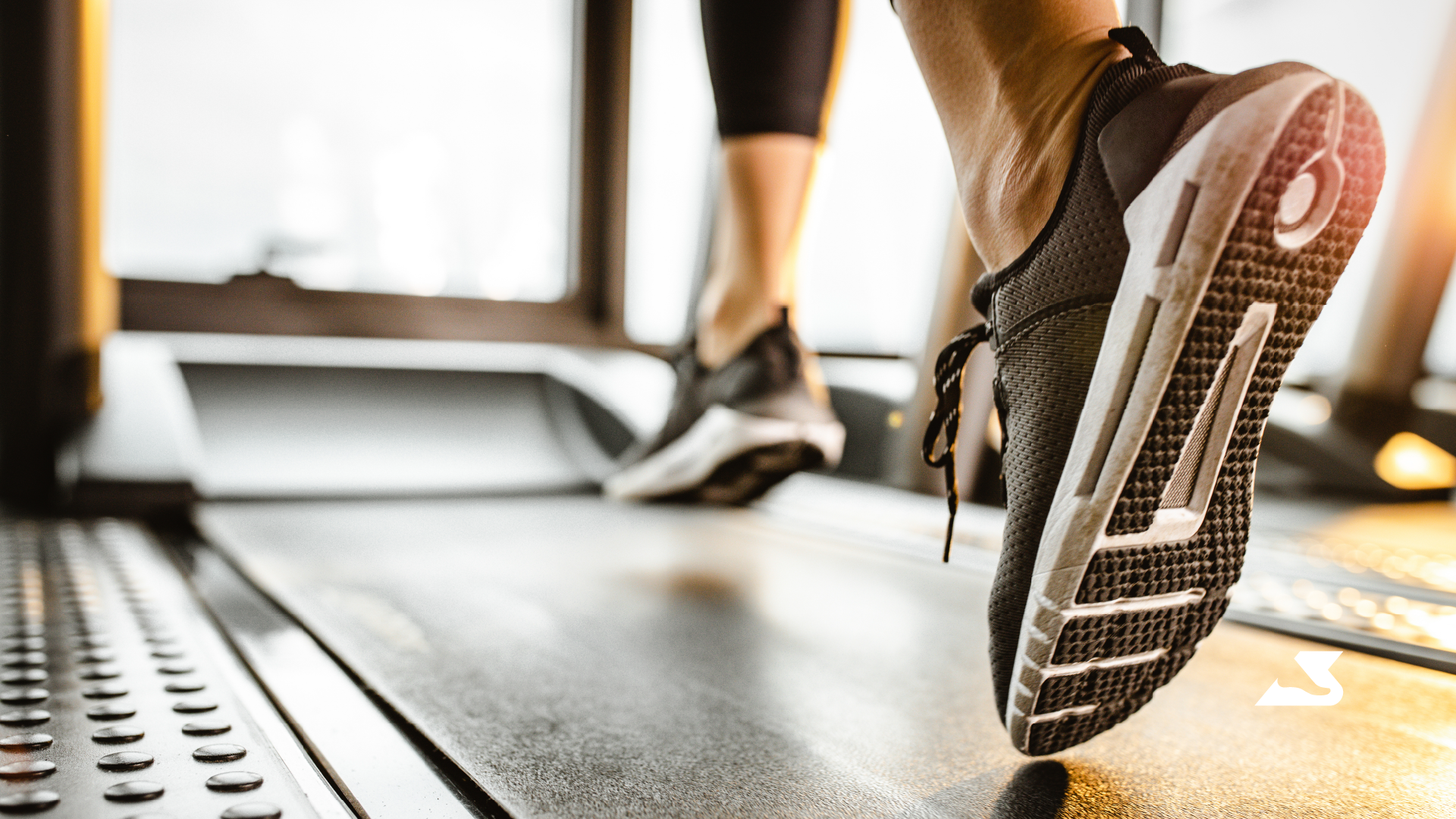
We carefully choose supportive chairs to help with posture—but our feet, the true foundation of our body, are often overlooked. Healthy feet keep us balanced, absorb impact, and help us move efficiently. But when something goes wrong, pain can quickly spread to the knees, hips, and lower back, affecting everyday life.
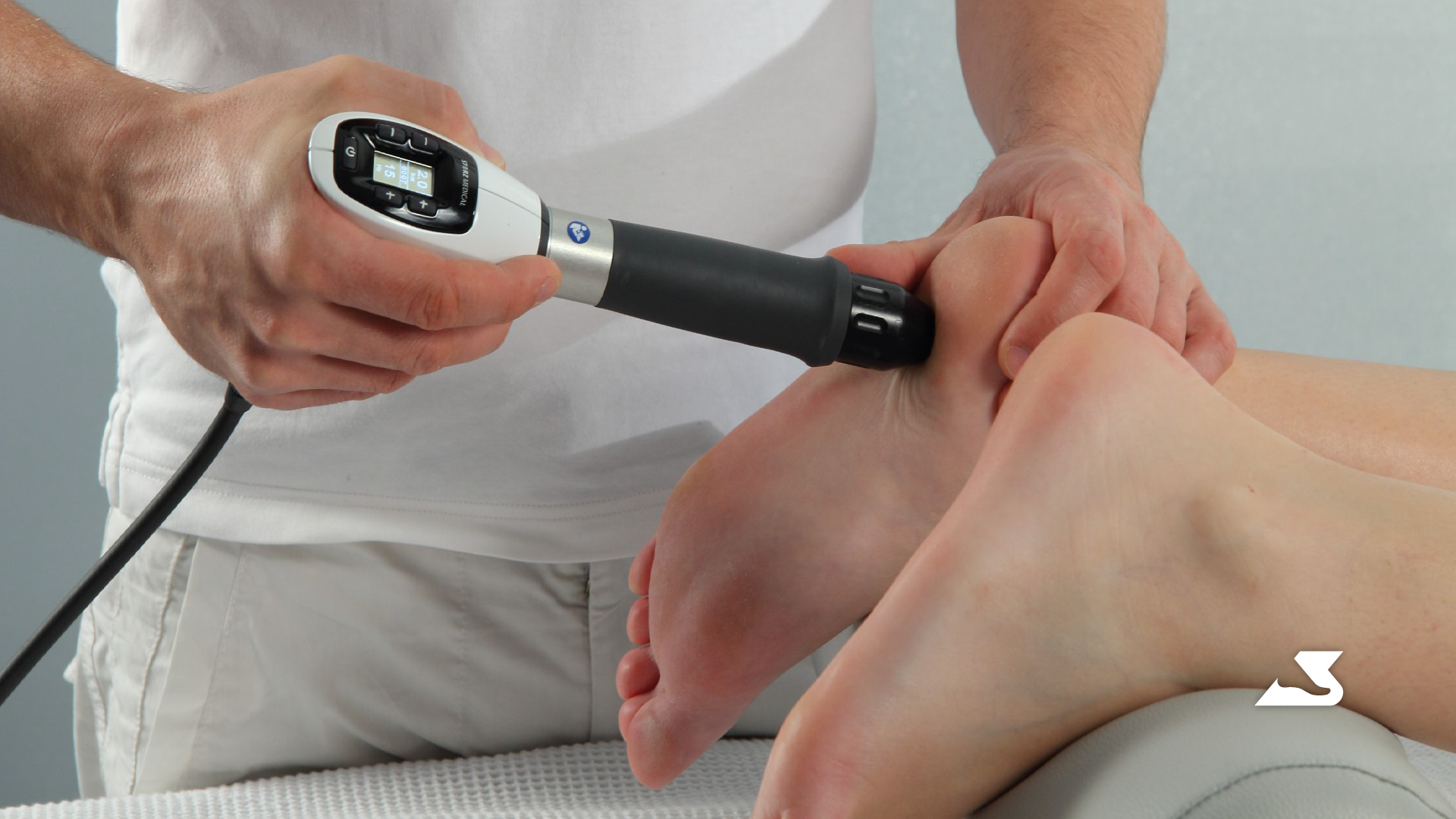
Did you know that Shockwave therapy has been safely treating muscle, ligament and bone injuries for decades? Shockwave machines can be found at Olympic events, at the World Cup, at athletic events and at major medical institutions around the world, including the Mayo Clinic.
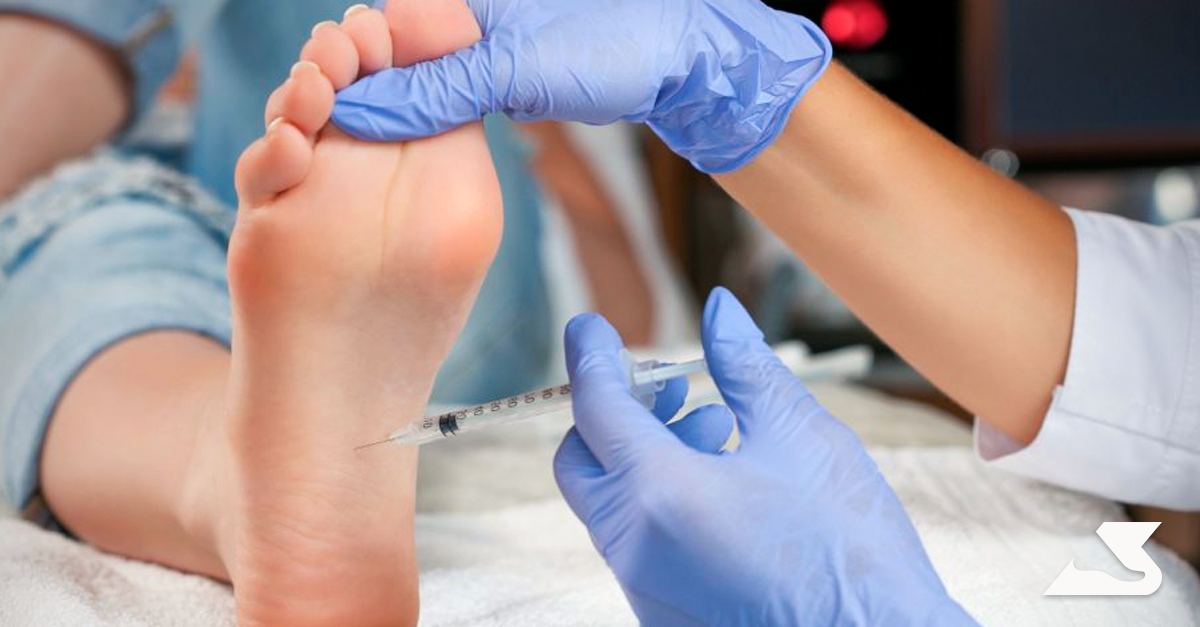
Cortisone shots are commonly used to treat inflammation and pain in the shoulders, back, hands, hips, and knees. Did you know they can also be used for the feet?
Are you someone that spends a lot of time on their feet? Regardless of if the long hours are spent at work or at play, standing and walking for extended periods of time can lead to discomfort, fatigue, and even long-term issues.
Foot pain is so common nowadays, it’s unusual to hear that people around you may not have any foot pain whatsoever. Plantar fasciitis, sore feet, you name it. But what if the lack of pain was a lack of feeling overall? Neuropathy in the feet is just as big of an issue as foot pain itself. Neuropathy is a major precursor to conditions such as wounds, callus, and changes in gait (the way you walk). It is relevant to conditions like diabetes and other genetic diseases as well.