A neuroma is a thickening of nerve tissue that can develop in various parts in the body. The most common neuroma in the foot is a Morton’s neuroma, which develops between the third and fourth toes in the ball of the foot.
Chiropodists are Medical Footcare Clinicians who can prescribe oral and topical medications and can perform soft tissue surgical procedures and injections into the feet. Let’s learn how a Chiropodist can help you today!
Neuropathy or peripheral neuropathy occurs when the nerves outside of the brain become damaged. Peripheral neuropathy causes weakness, loss of sensation or numbness and pain most commonly in the hands and feet. There are several causes of neuropathy, including infection, injury, inherited conditions, and metabolic diseases such as diabetes.
Plantar warts are caused by the Human Papilloma Virus (HPV). They are contagious, meaning they can be spread from person to person and even to other areas of the foot.
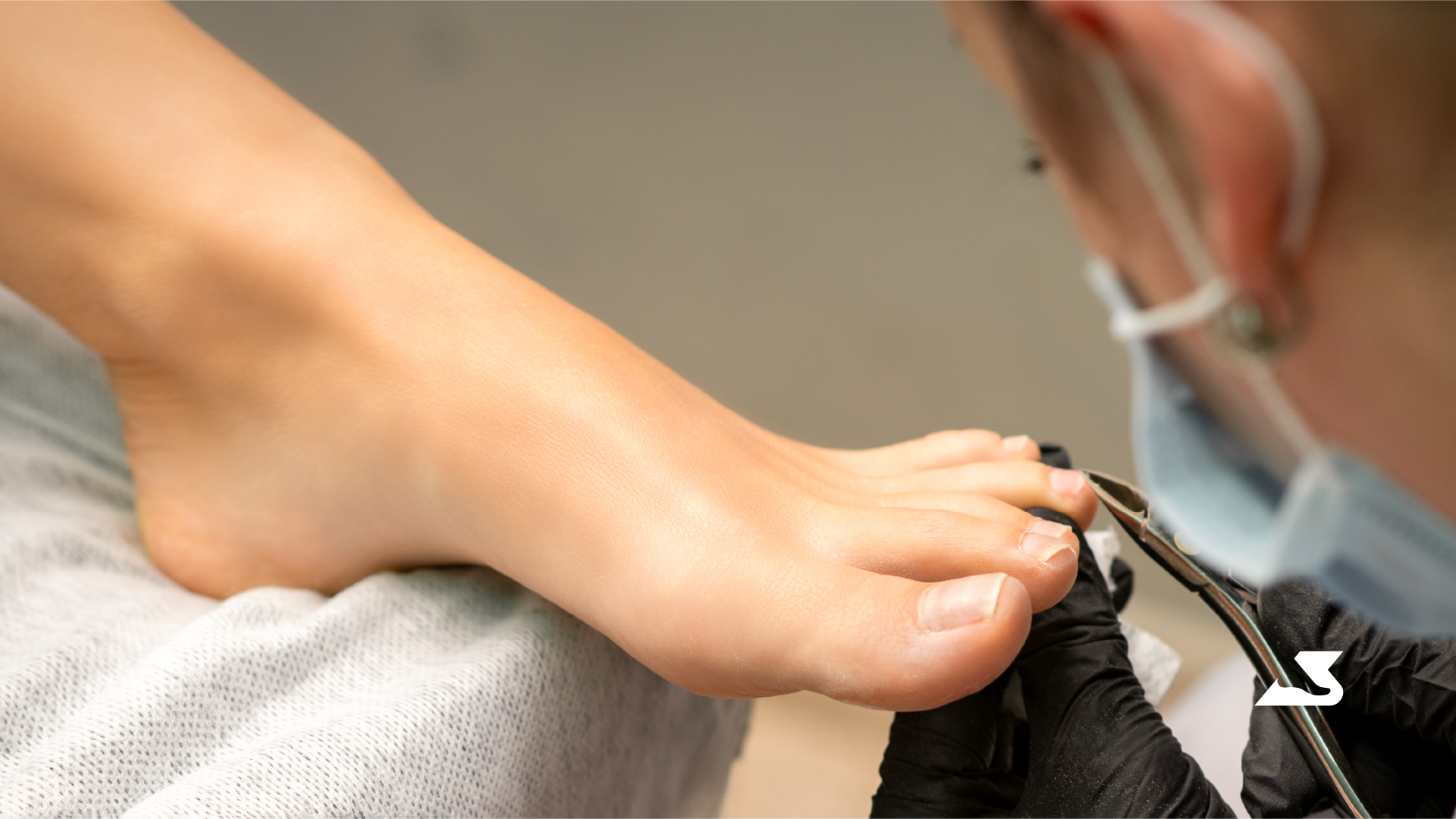
Ingrown toenails, toe fungus, and corns are amongst the many conditions that our medical foot care team can take care of for you. Too often, the feet are the most neglected part of our body, and problems might go undetected at first. Registered Chiropodists and Footcare Nurses provide medical care for skin and toenail foot concerns. However, Chiropodists offer an expanded scope of practice, such as biomechanical evaluations, so let’s review each profession in more detail.
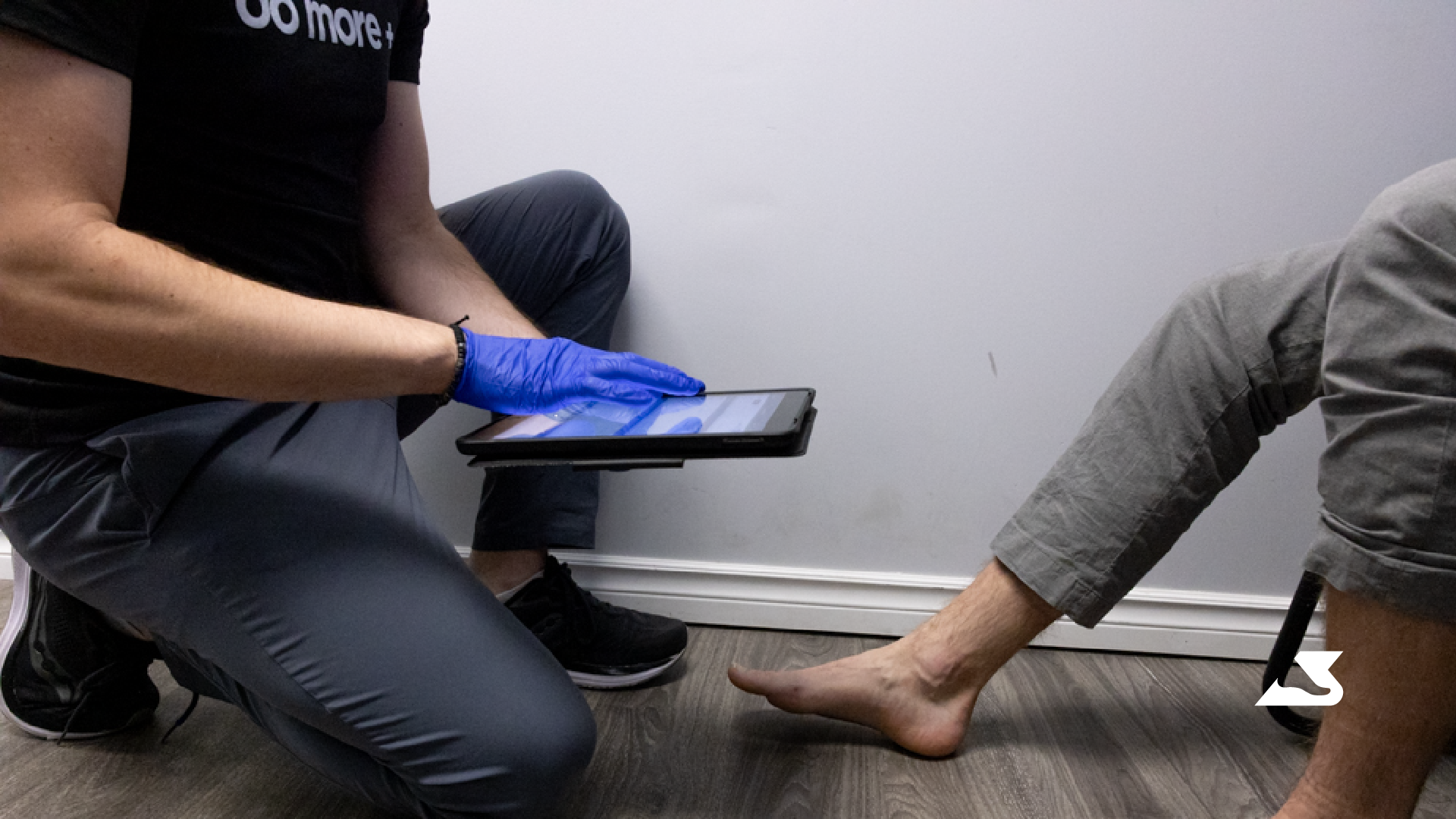
When standing, the body is a closed kinetic chain, meaning what happens in the feet can affect the ankles, knees, hips and back. If the feet are abnormally positioned or their alignment is off, the rest of the body could suffer.
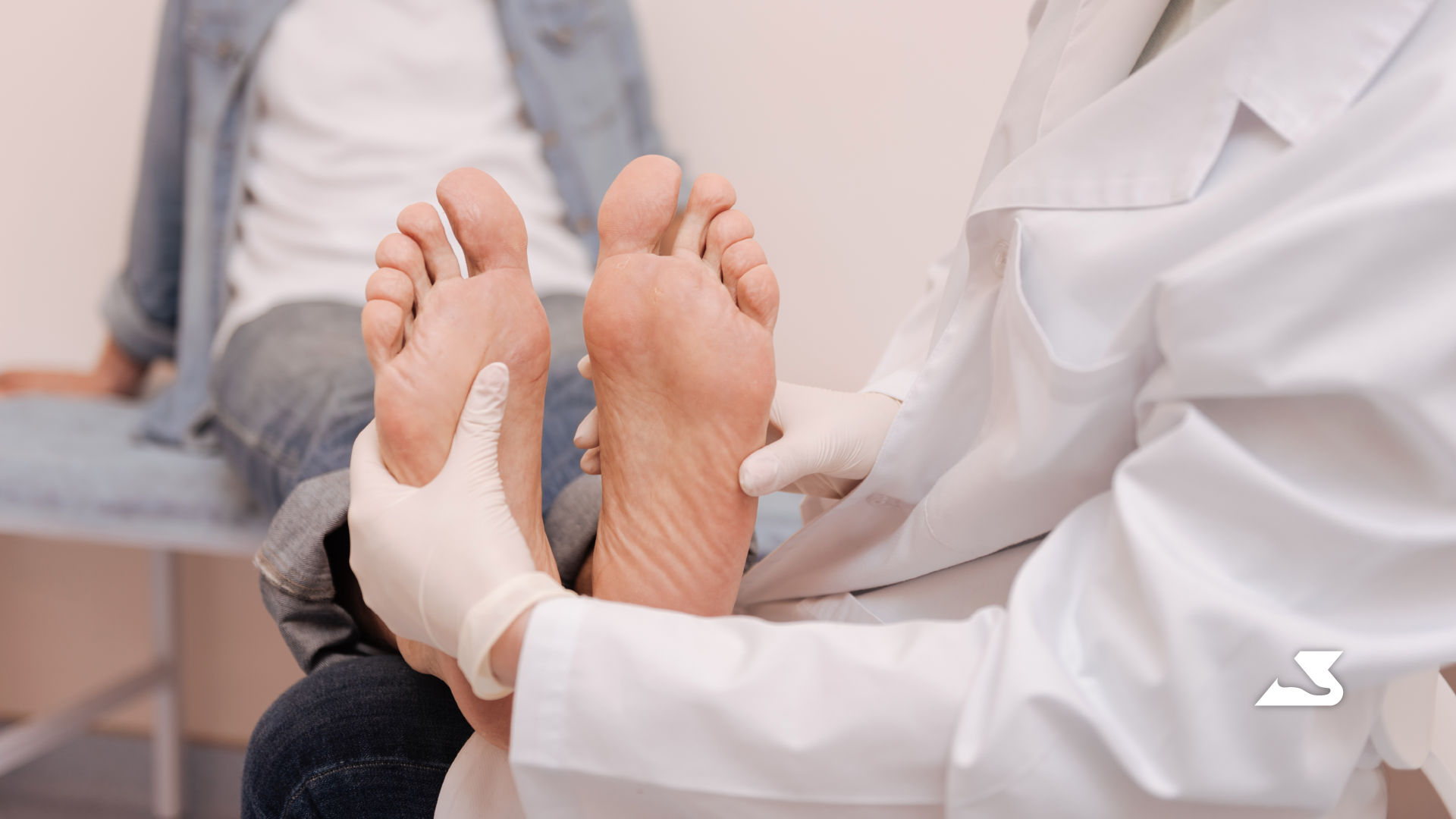
If you’re experiencing common painful foot conditions like plantar fasciitis, bunions, or flat feet, a Registered Chiropodist can help you in many ways!
If you are dealing with foot pain, making the right choice in footcare matters. At BioPed, we believe your feet deserve more than a quick fix: they deserve a thorough and thoughtful approach that helps you live more comfortably and actively. Here’s why so many people trust BioPed and how our care can make a real difference.
As footwear is the usual perpetrator in exacerbating calluses and corns on feet, the winter footwear makes our feet take a turn for the worse. Calluses and corns are hardened areas of skin that develop when we put too much pressure on them. When this occurs on the feet, they usually get worse because we are always standing on them and give them little room for rest. For people that are especially active, this can be painful to deal with.