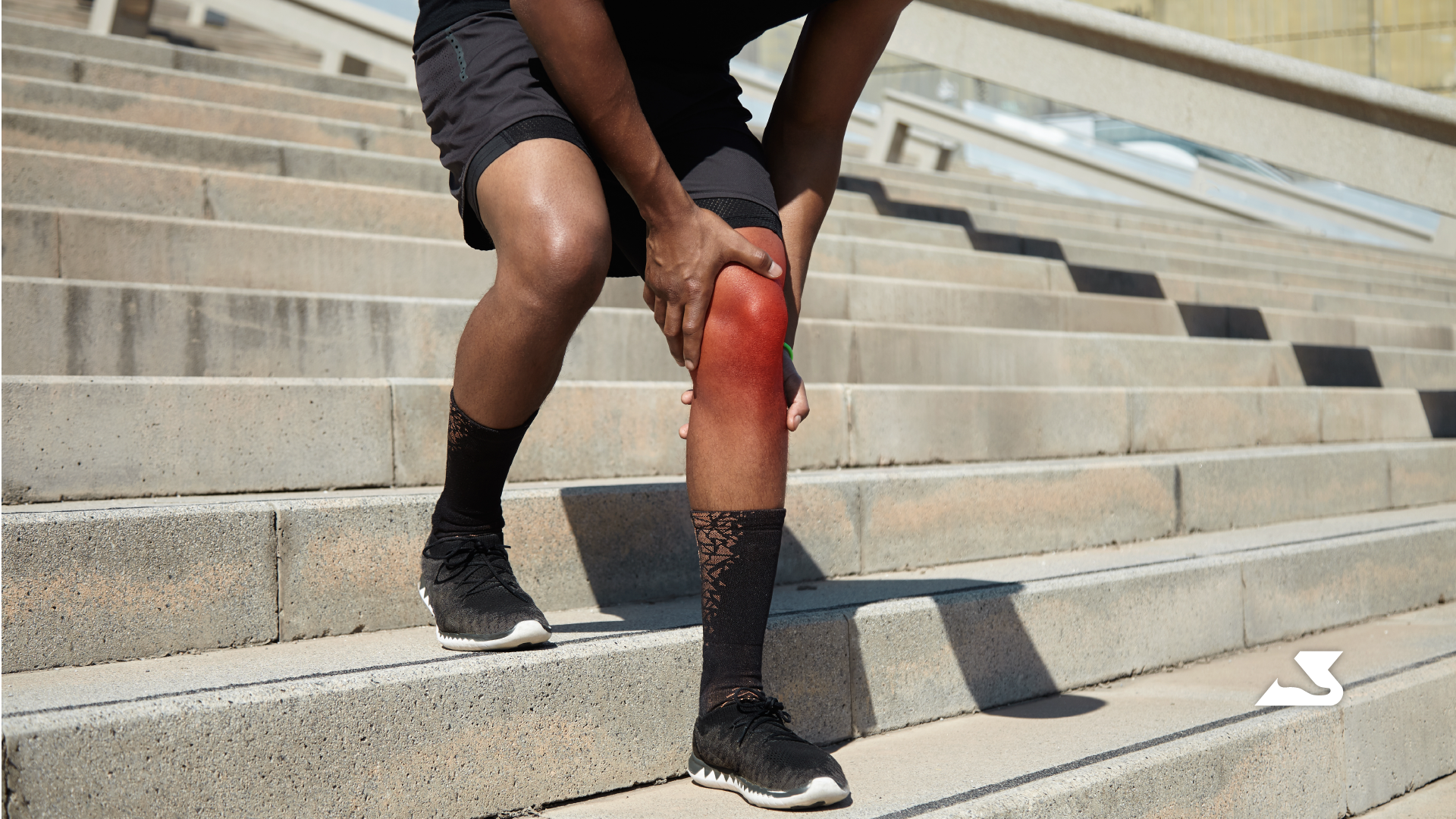
If you've ever experienced a deep, nagging pain along your shinbone after a run, a game, or even a long walk, you're not alone. Shin splints can derail your athletic performance and make everyday activities painful. This condition often results from excessive stress on the lower leg, but the good news is that there are ways to manage and prevent shin splints so you can get back to what you enjoy most.
Arthritis is a common condition that affects millions of people worldwide, causing pain, swelling, and stiffness in the joints. Understanding the different types of arthritis and how they affect the body, especially the lower limbs, is crucial for managing symptoms and improving quality of life. This blog post explores four common types of arthritis—osteoarthritis, rheumatoid arthritis, psoriatic arthritis, and gout—and discusses how orthotics can help manage these conditions.
Joint pain can be a significant hurdle, affecting your ability to move freely and do the things you love. Understanding how to manage joint pain can help you stay active and do more in life, whether due to injury, chronic conditions, or aging
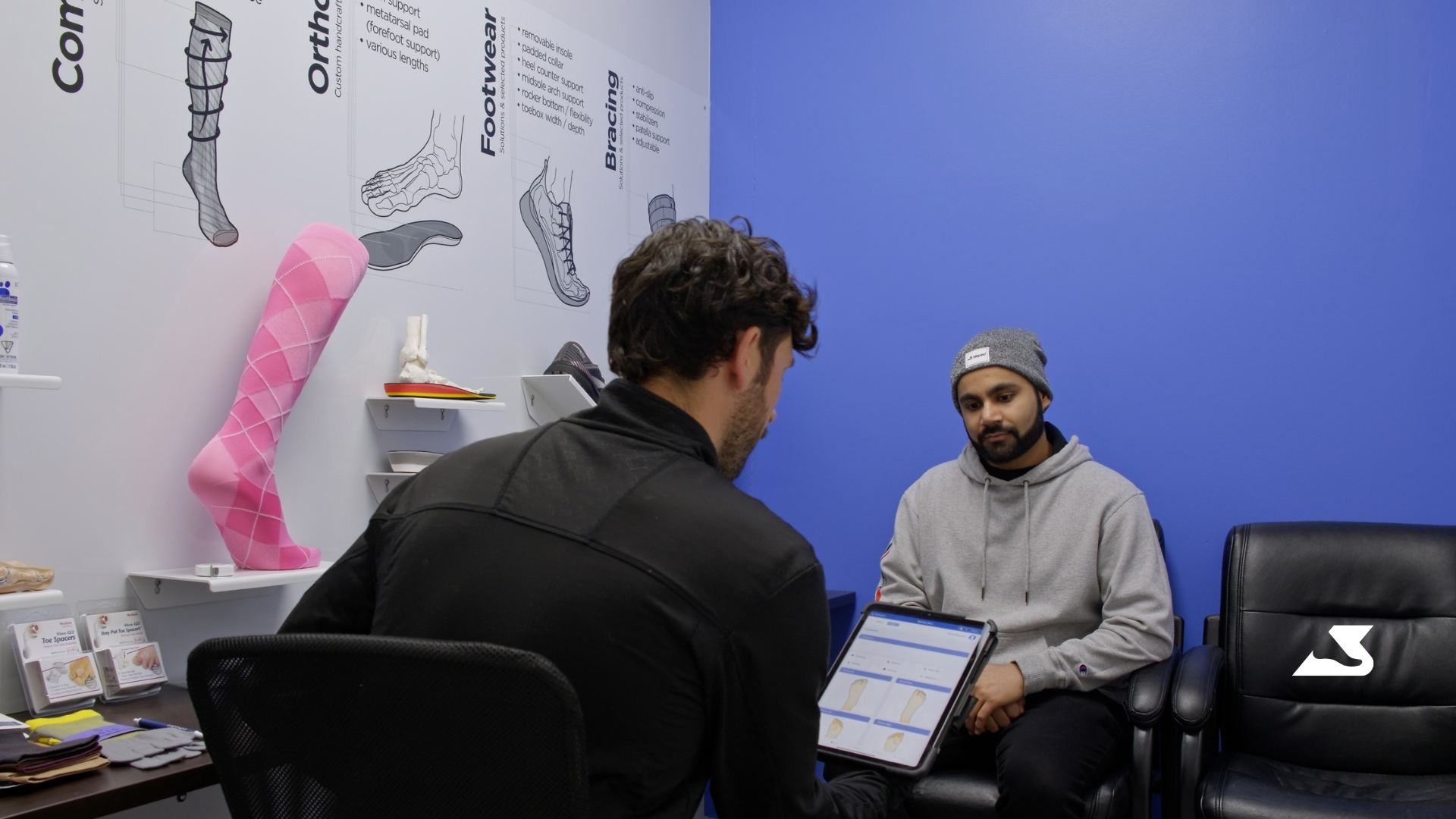
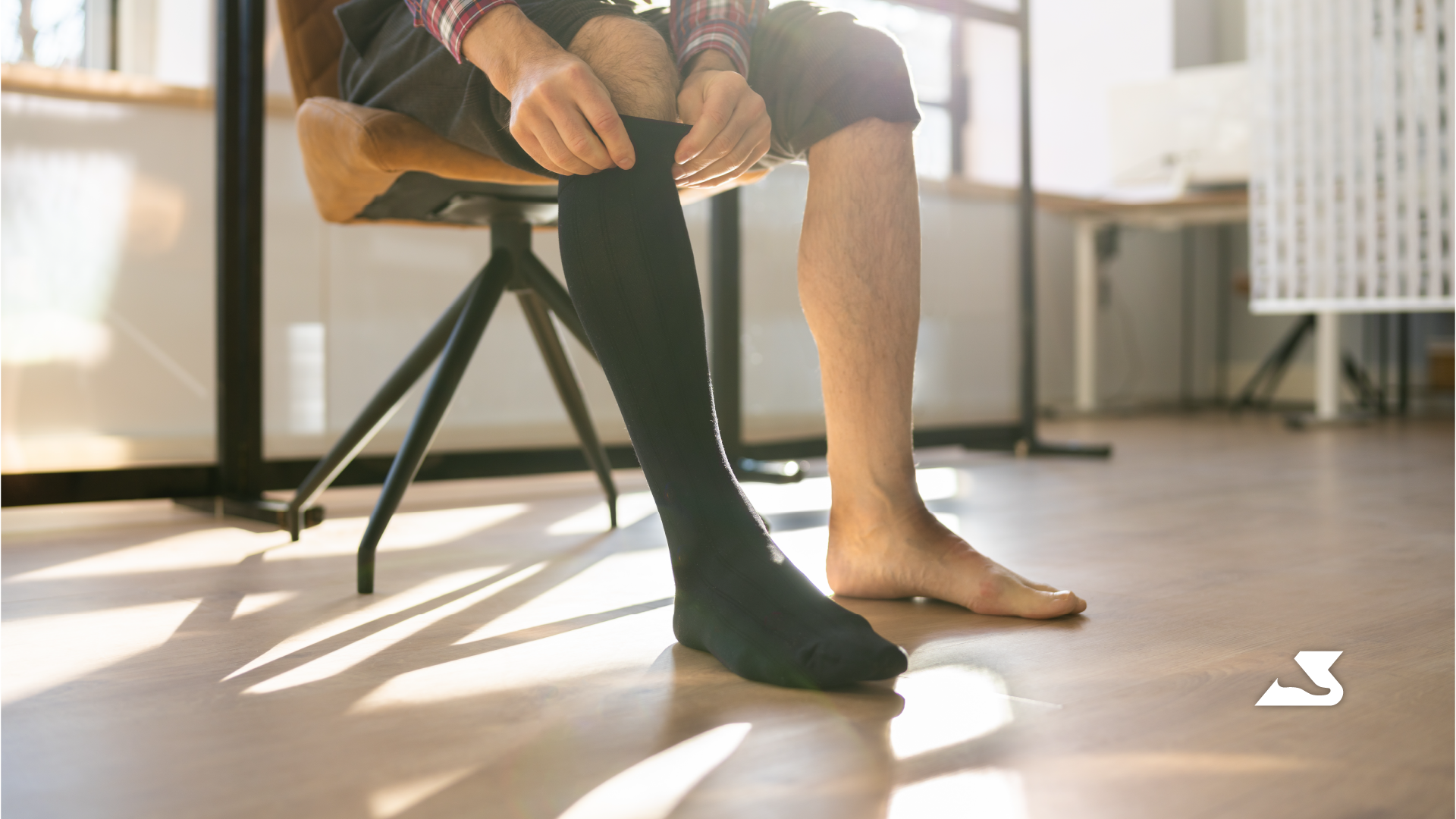
Having a benefit plan that helps cover medical devices and services, such as orthotics, braces, compression socks, and chiropody/nursing foot care, can bring real peace of mind when you are in need. We understand that navigating insurance coverage can sometimes feel overwhelming, and BioPed Footcare is here to support you through that process. So, what does the process look like? With millions of unique health benefit plans in place across Canada, most clinics like BioPed do not have access to the specific details of your individual coverage. Both the client and the medical clinic play important roles in the process, so let’s take a look!
It is definitely something worth considering! Spider veins, also known as telangiectasias, are damaged, visible blood vessels just beneath your skin’s surface.
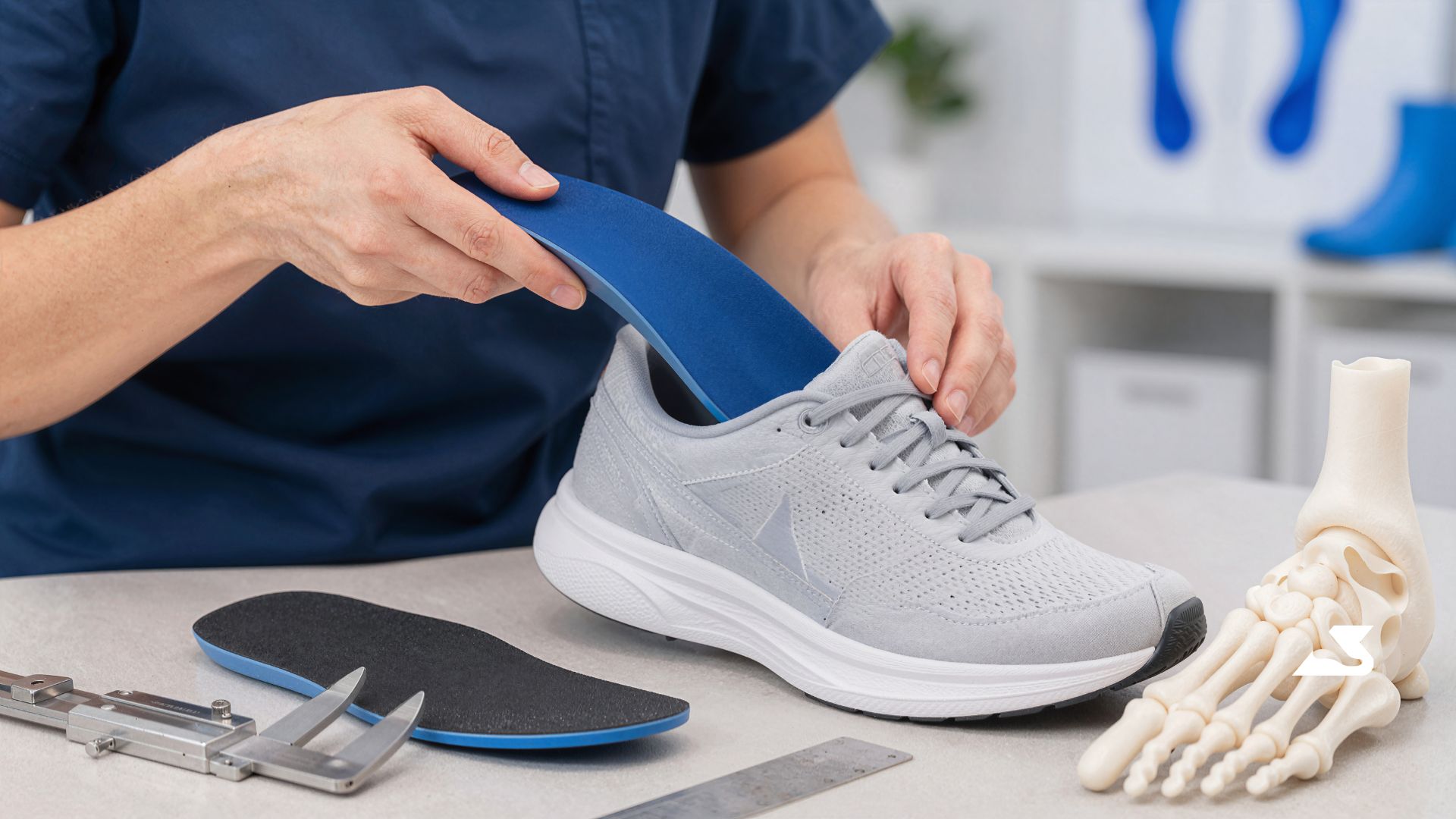
Getting custom orthotics is an important step toward reducing foot pain and improving the way you move. However, some people are surprised when their new orthotics feel uncomfortable at first. Mild soreness or stiffness during the first few days is common because your feet, ankles, knees, and even hips are adapting to a new position. The good news is that this adjustment period is temporary for most people and can be managed with the right approach. Understanding what to expect and following a gradual break-in plan can help you achieve the best long-term results.
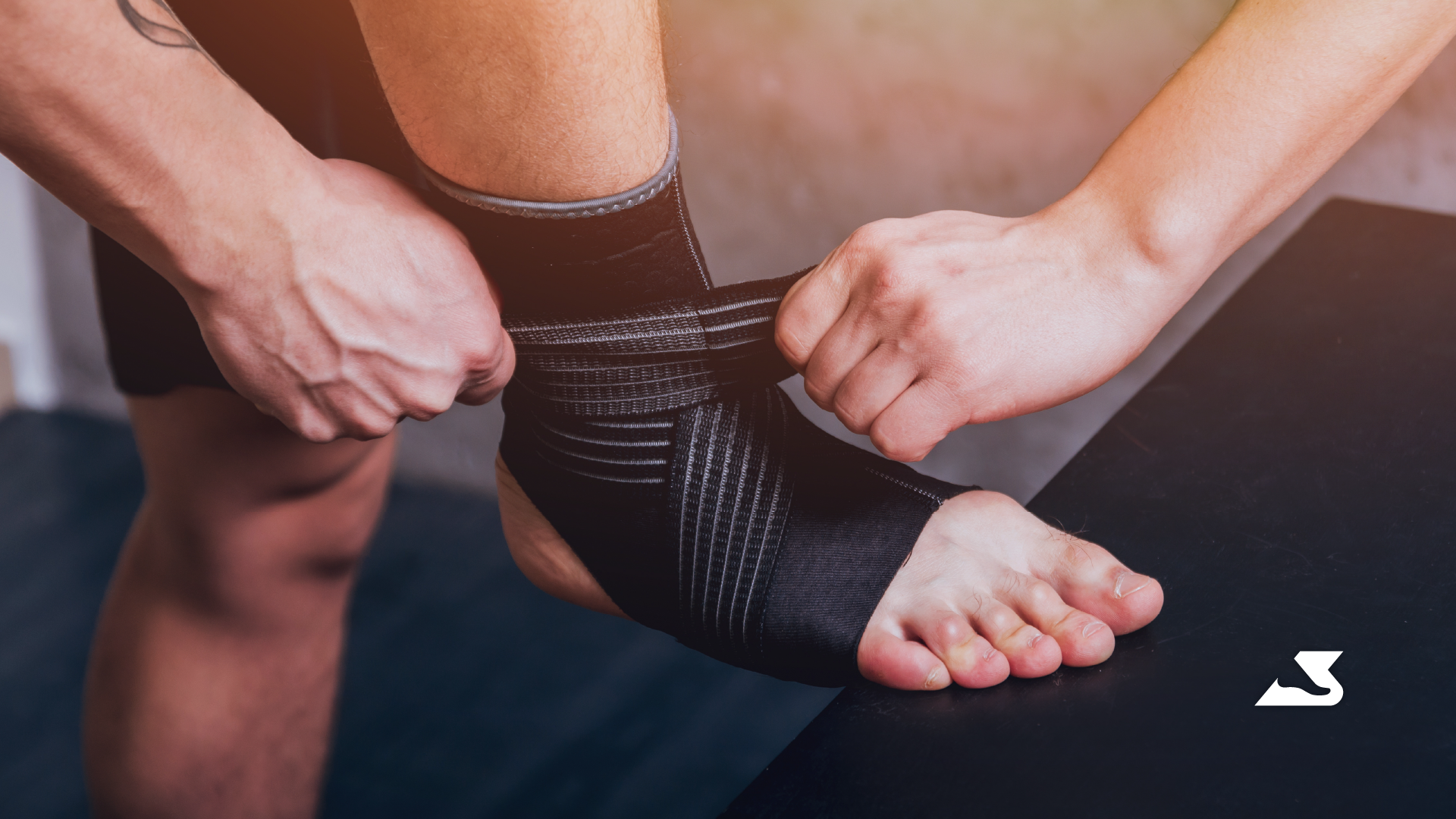
Ankle sprains are common and painful injuries to ligaments that connect the foot to the shin and can happen to people of all ages and activity levels. While some sports can increase your chance of injury, many people experience an ankle sprain from slipping off of a curb along the sidewalk or missing a step on the stairs in their home.
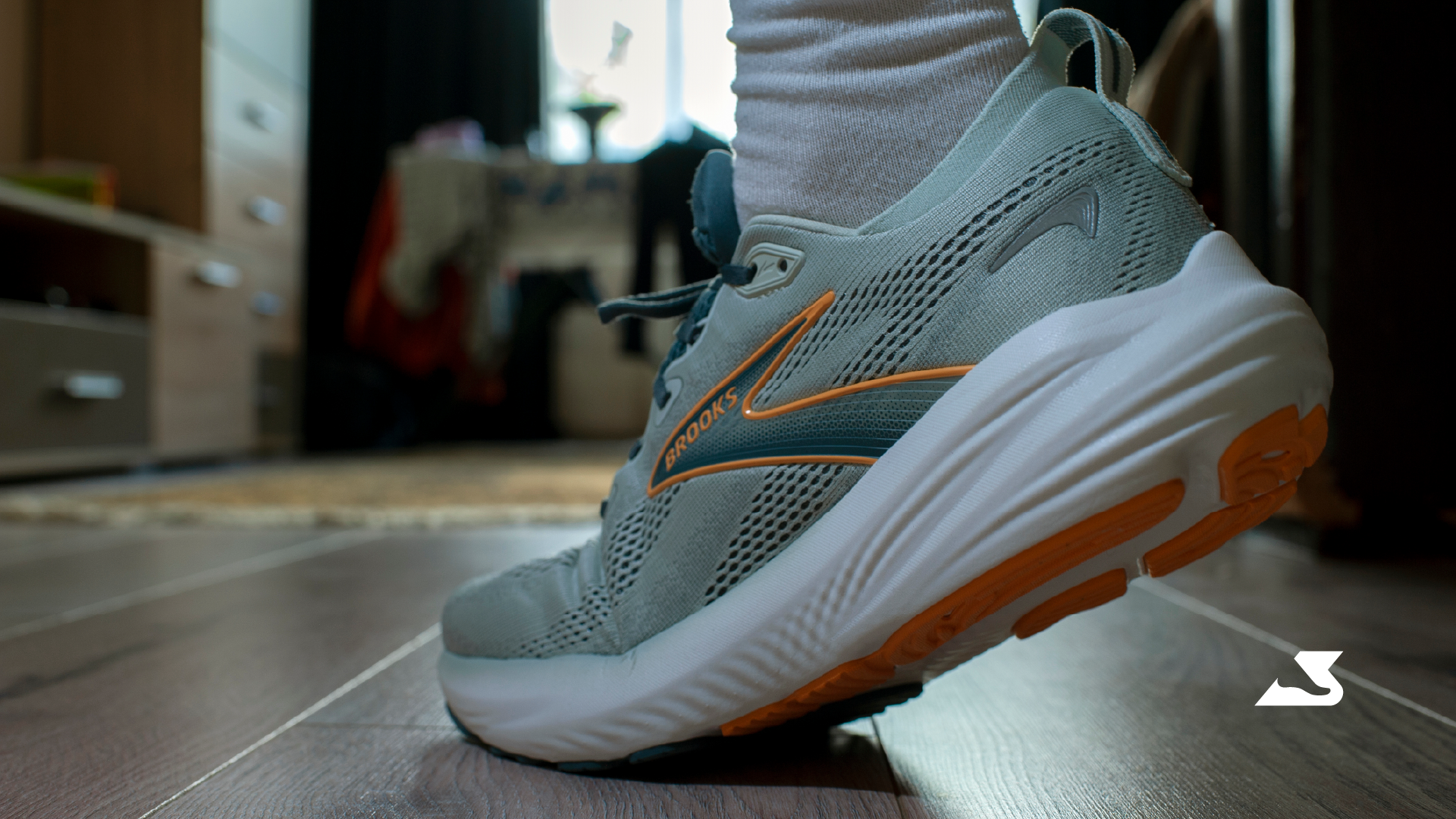
Have you gone shoe shopping and become overwhelmed? With so many styles, features and latest technologies, it’s tough to know what matters and what is just the newest fad. Whether you are considering new shoes, wondering whether orthotics could help, or simply curious about how footwear works, understanding key features goes a long way. Heel depth, rocker soles, heel drop, different widths, cushioning, are only a few of the terms used to describe features of a shoe. Knowing what they are and why they matter can make you more confident when choosing a shoe.
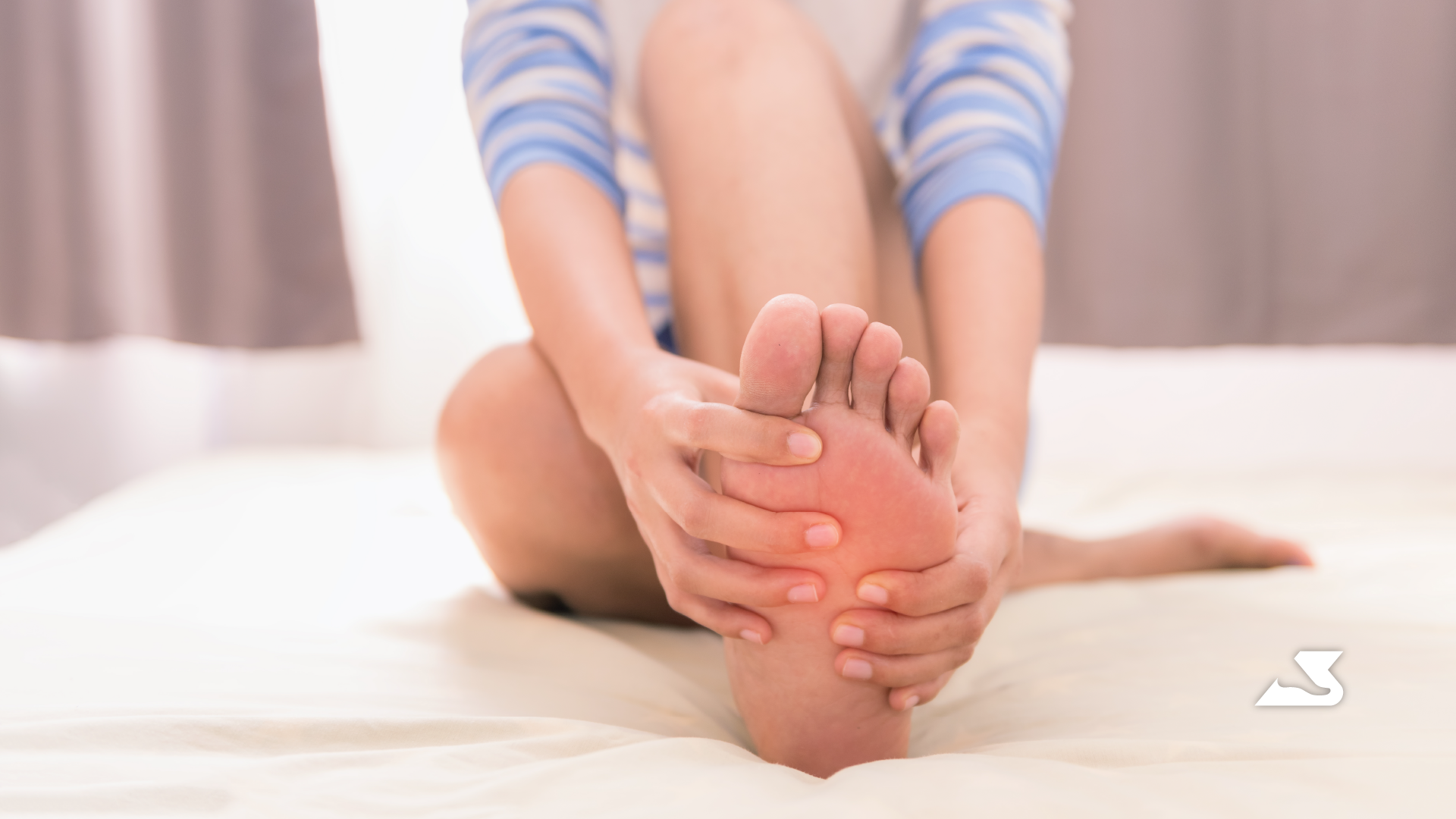
Plantar fasciitis is often described as a sharp, stabbing pain in the heel or arch, especially first thing in the morning or after sitting for a while. The pain occurs when the plantar fascia (soft tissue of the foot) becomes inflamed and overstressed.