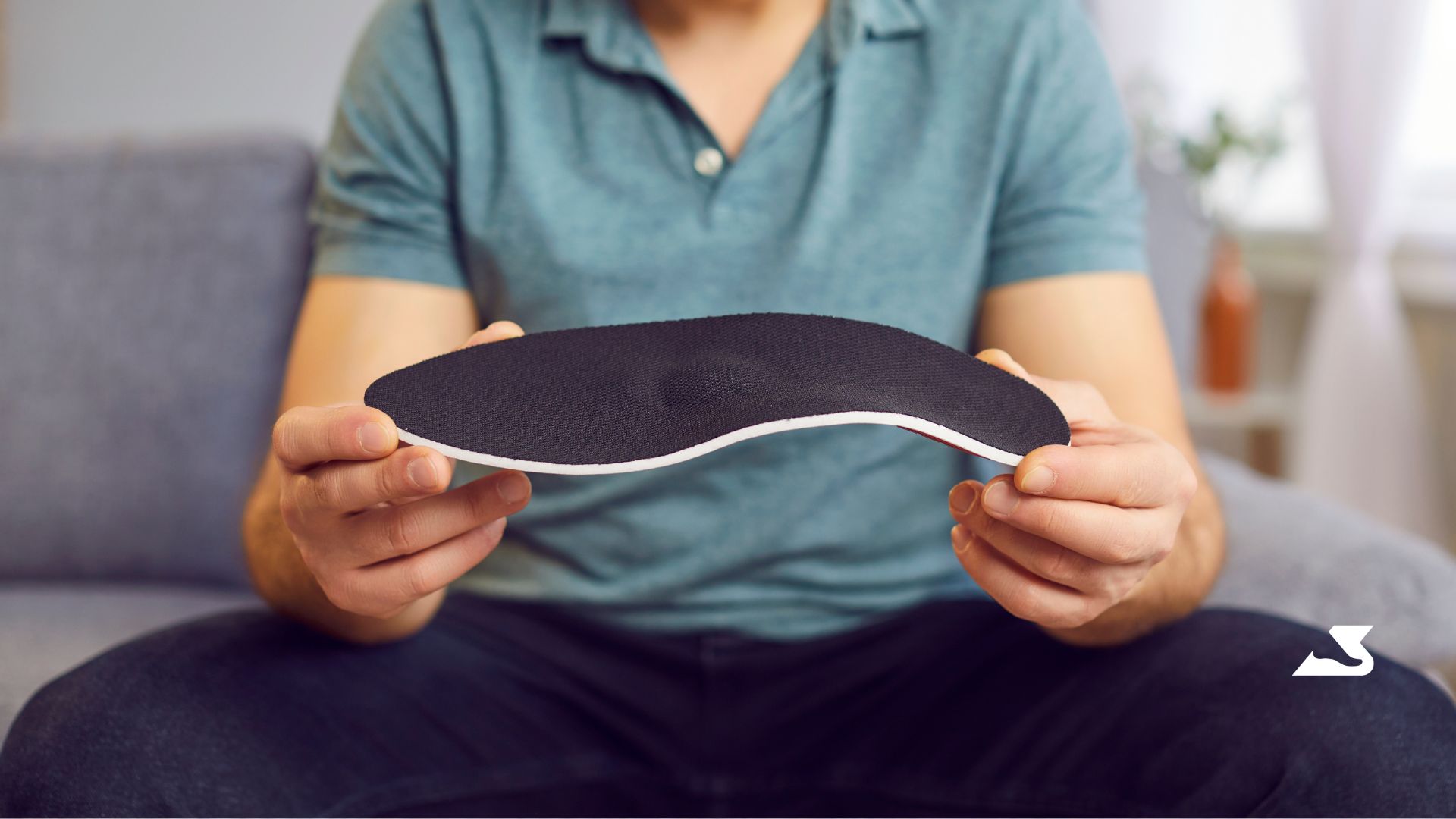
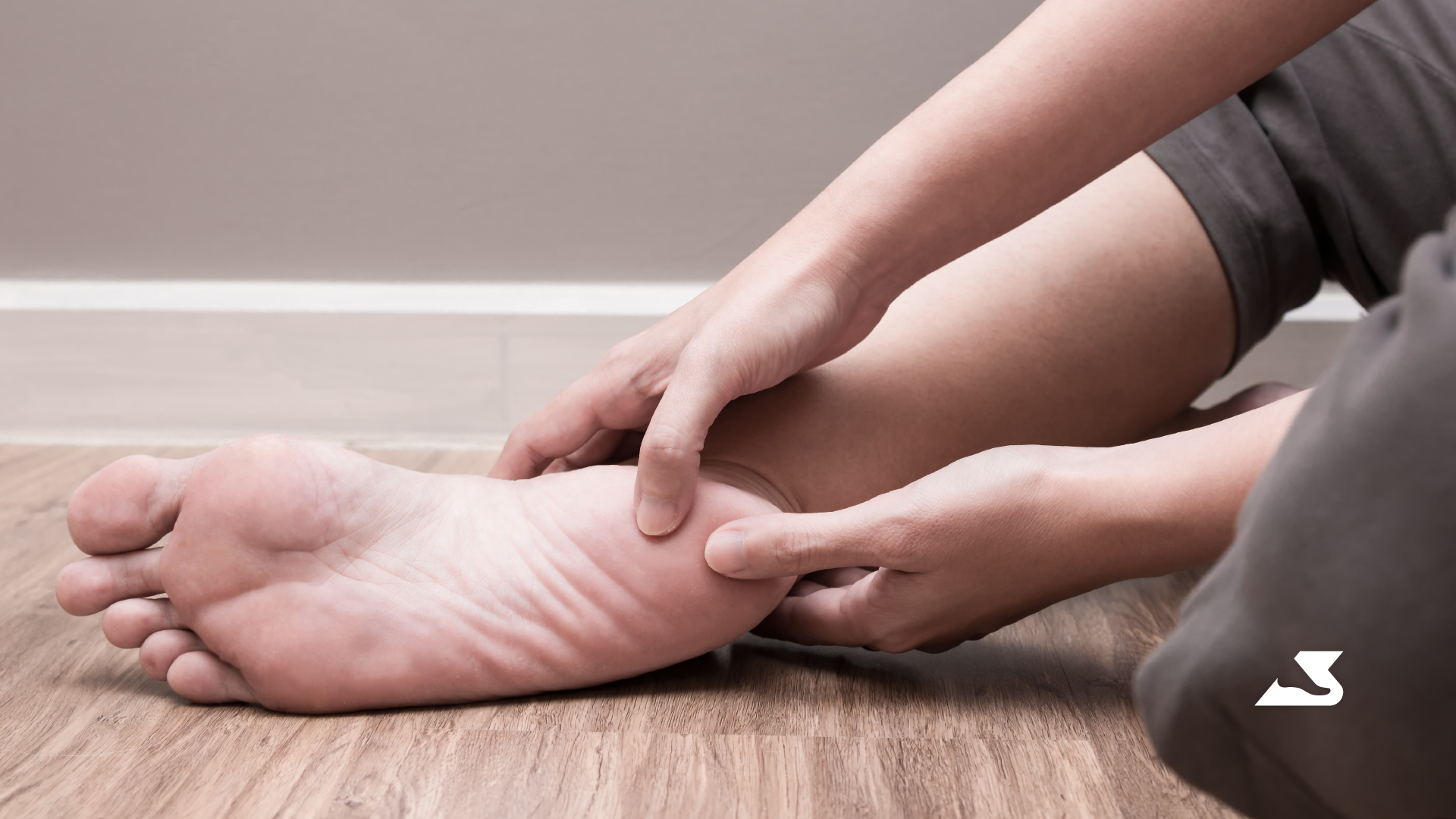
Custom orthotics are built to support your feet and keep you comfortable day after day. But since they spend all that time inside your shoes, it’s no surprise that they don’t stay spotless forever. Sweat, dust, and general wear can leave them looking (and sometimes smelling) less than fresh. The good news? You absolutely can clean your orthotics without affecting how well they work, as long as you use the right methods.
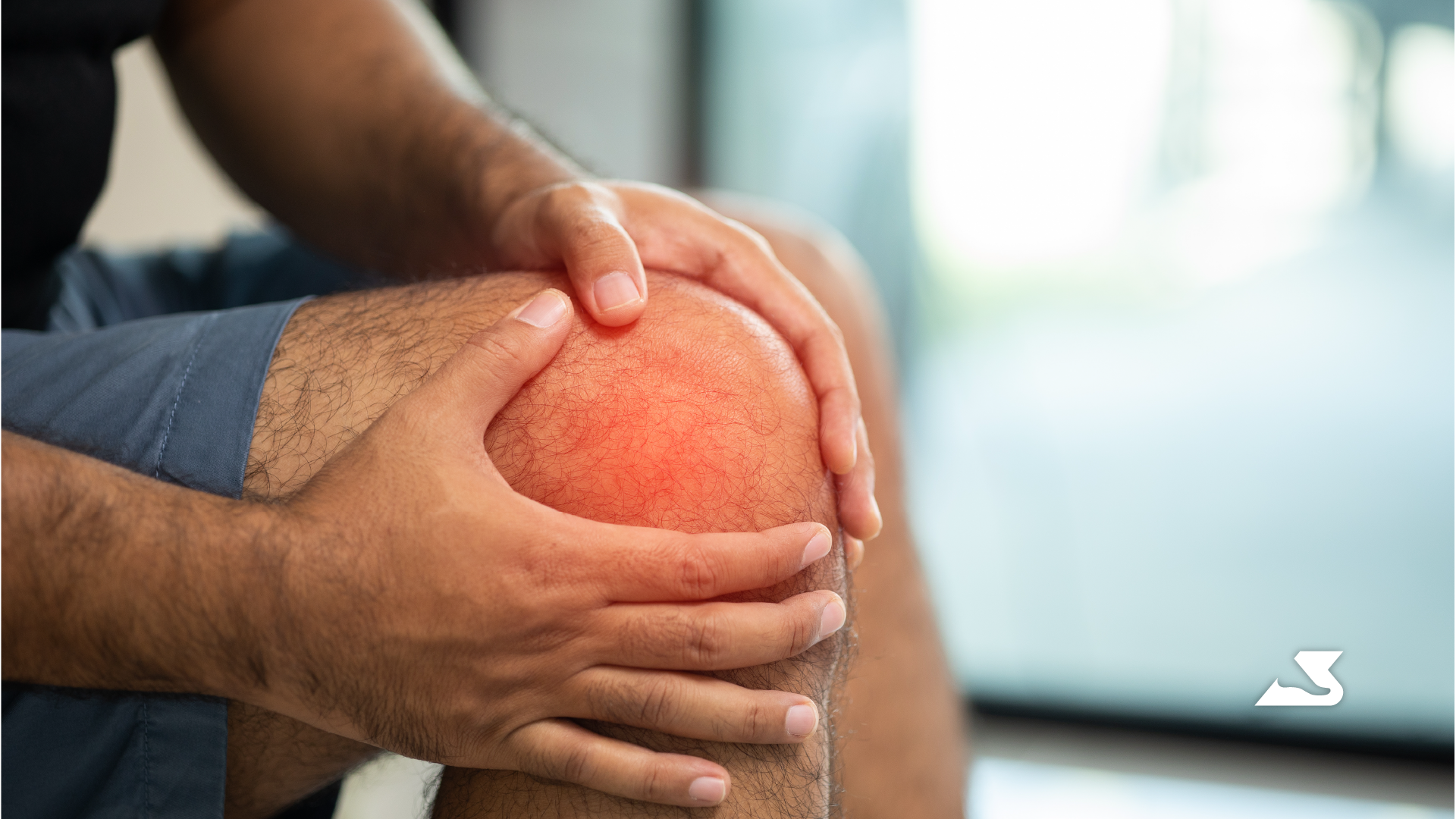
Knee arthritis is a common condition that affects millions of people worldwide. Often thought of as a natural part of aging, osteoarthritis is more than just “wear and tear” on your joints. It’s a complex condition involving joint inflammation, leading to pain, swelling, and stiffness. While knee oseoarthritis can make everyday activities challenging, there are effective ways to manage symptoms and improve your quality of life.
If you have been suffering from heel pain or sore arches, most likely someone has told you to use arch supports or orthotics. But you may wonder, can a pair of custom orthotics actually fix your foot problem? The short answer is yes; orthotics can be an important part of your treatment plan. So let’s dive into what they are and why they work.
When we walk, our feet must move and adapt in certain ways to lessen the risk for injury, pain and discomfort. To prepare for contacting ground, the foot arch must be higher or more supinated, making the foot a rigid lever for heel strike. As the body progresses through the gait cycle, the arch flattens slightly or pronates to adapt to uneven terrain and absorb shock from the ground.
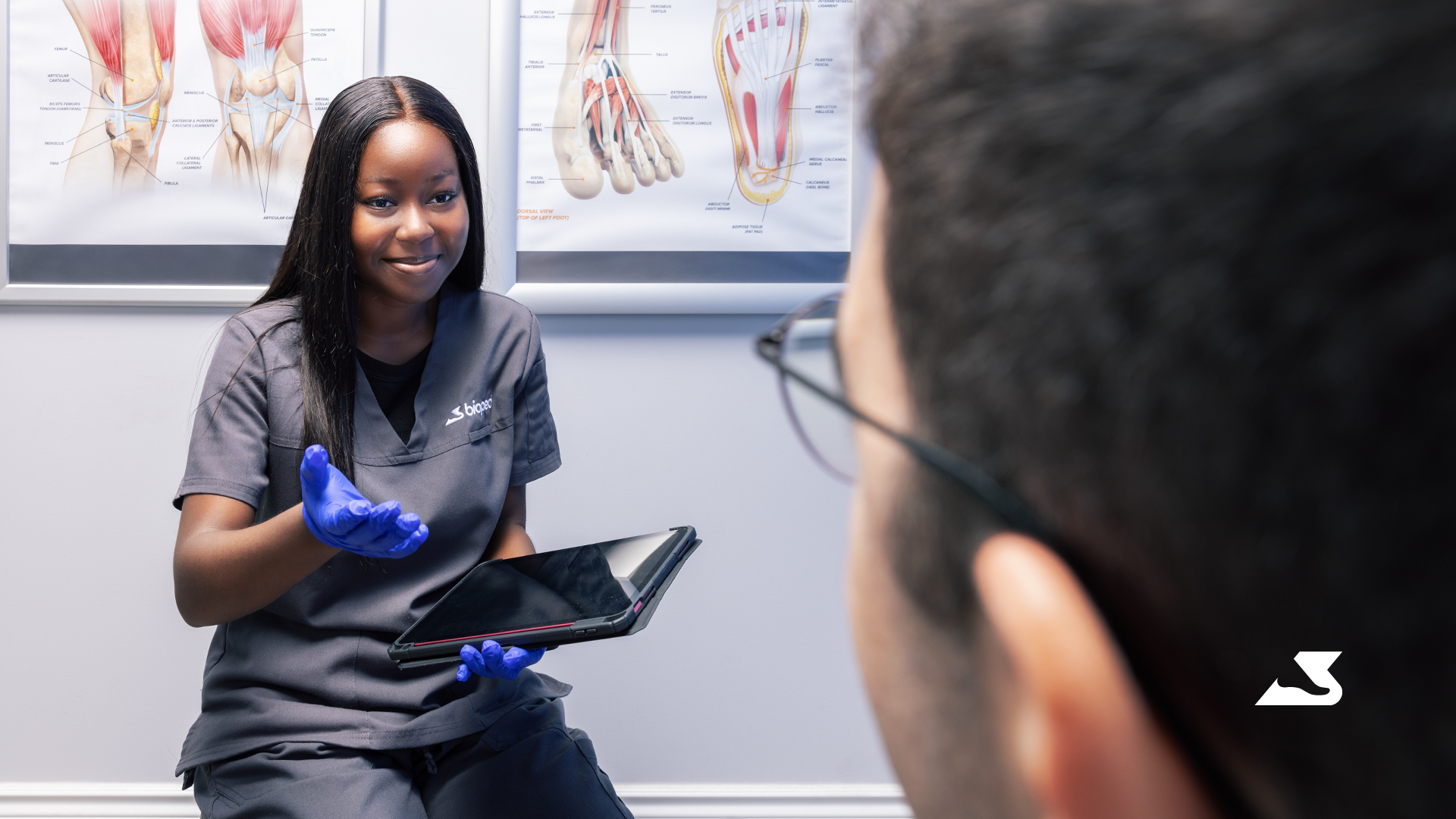
When you have foot pain, it can be a relief knowing you have insurance coverage to help with the cost of keeping your feet happy and healthy. However, insurance plans can be confusing and difficult to navigate, especially if it’s all new to you! We’ve got you covered, with answers to some of your most frequently asked insurance coverage questions.
A neuroma is a thickening of nerve tissue that can develop in various parts in the body. The most common neuroma in the foot is a Morton’s neuroma, which develops between the third and fourth toes in the ball of the foot.
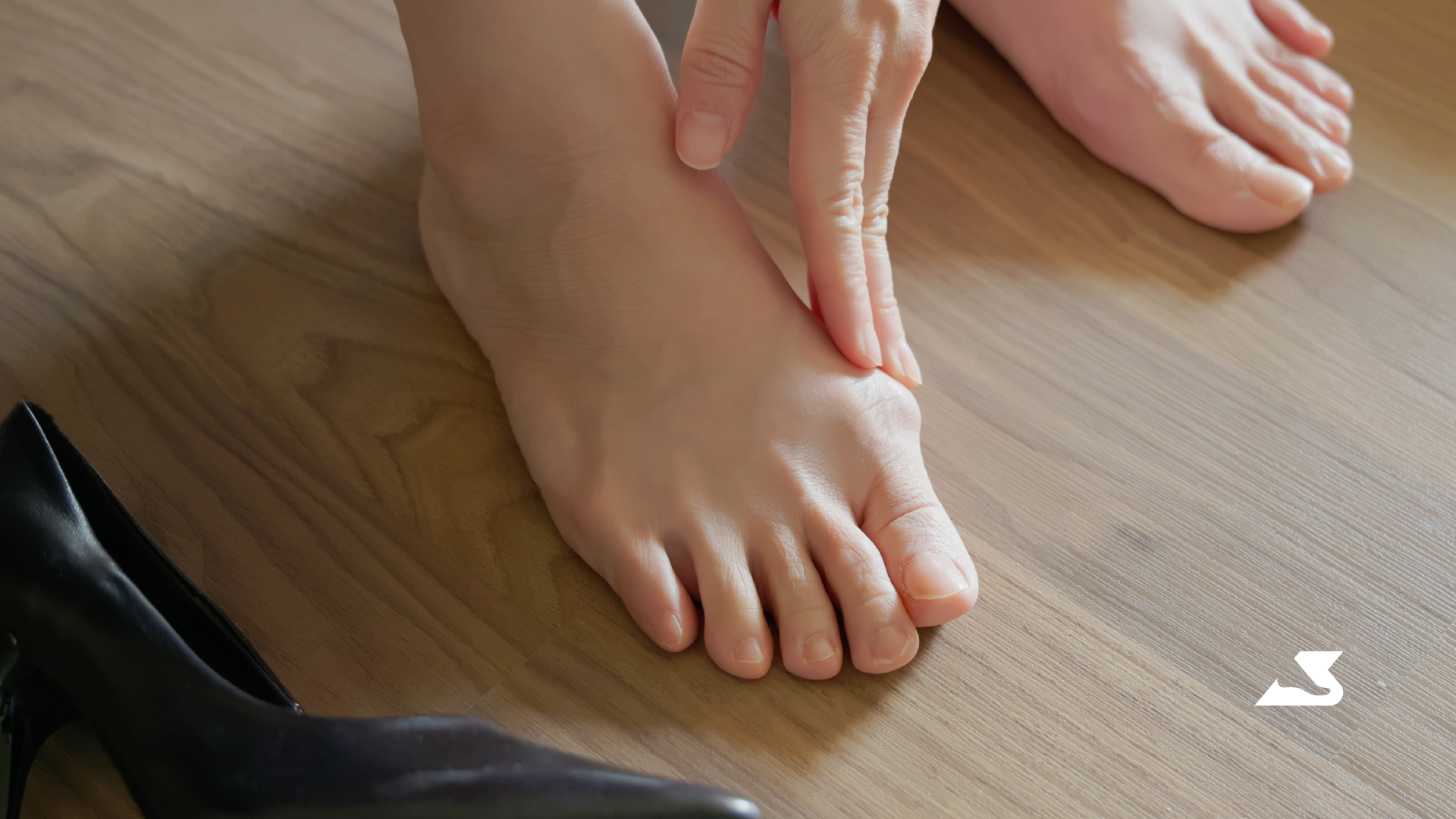
If you've ever noticed a small bump forming around your big toe, you might be asking yourself, “What is this? And will it get worse over time?” That bump could be a bunion, which is a very common foot condition. It often starts as a minor bump; however they often become painful over time if left unmanaged and can lead to mobility challenges. Understanding how bunions progress, and how to manage them, can make a big difference in managing your comfort and overall foot health.