The Footlogix line of products offers a range of scientifically advanced solutions to help keep your feet and nails healthy, moisturised, and rejuvenated.
When you have foot pain, it can be a relief knowing you have insurance coverage to help with the cost of keeping your feet happy and healthy. However, insurance plans can be confusing and difficult to navigate, especially if it’s all new to you! We’ve got you covered, with answers to some of your most frequently asked insurance coverage questions.
It might be time to consider the type of shoes you are wearing if you find yourself suffering with foot pain on a regular basis. Unfortunately, we often underestimate the importance of wearing properly fitted shoes and ill-fitting shoes can be the cause of many problems, from foot pain and discomfort to serious health issues.
Over 6 million Canadians have arthritis and in the coming years, this number will continue to grow. It is quite common for arthritis to be present in the hips, knees, ankles or feet. It can arise with age, from normal wear and tear on the joint.
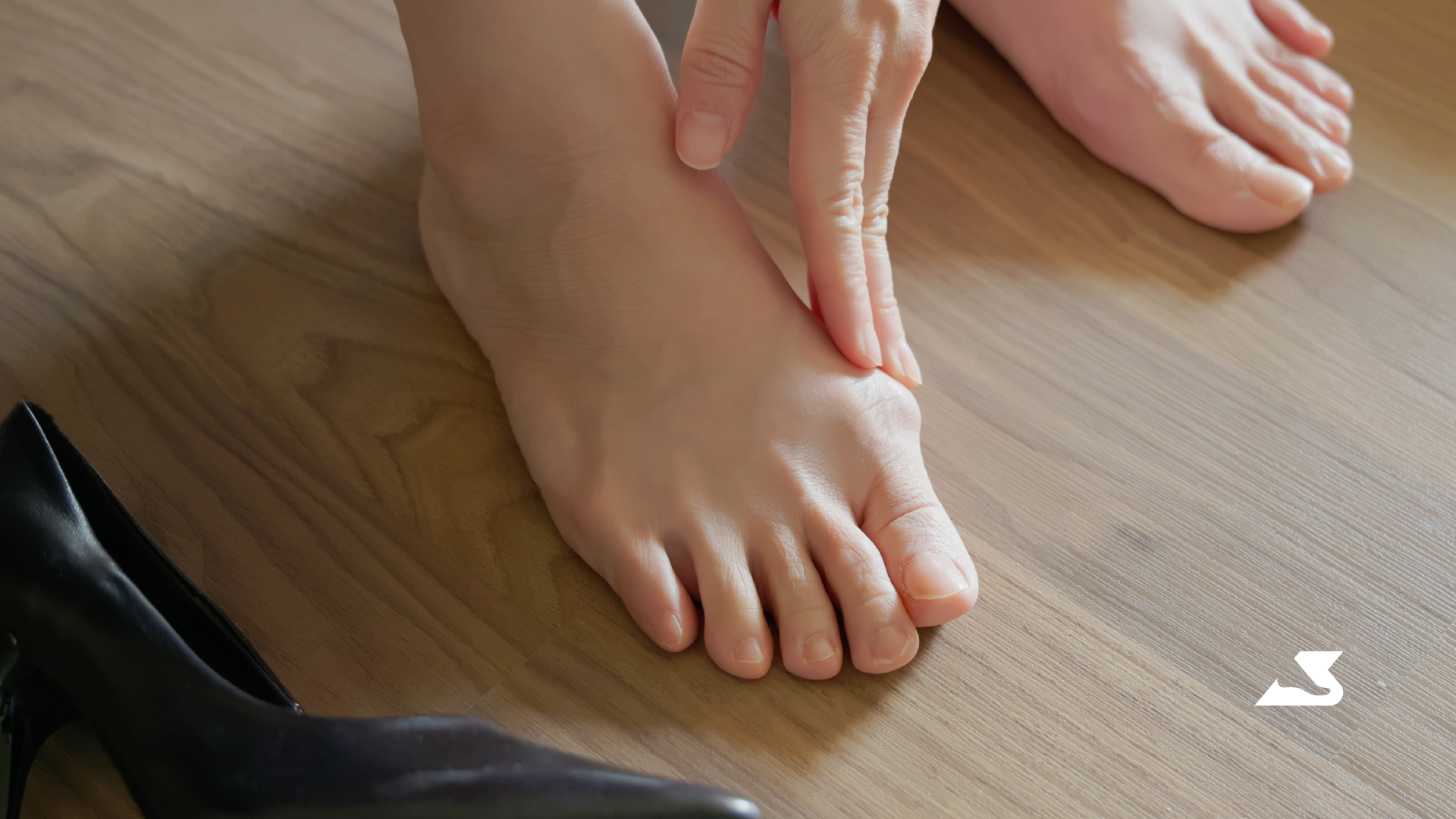
If you've ever noticed a small bump forming around your big toe, you might be asking yourself, “What is this? And will it get worse over time?” That bump could be a bunion, which is a very common foot condition. It often starts as a minor bump; however they often become painful over time if left unmanaged and can lead to mobility challenges. Understanding how bunions progress, and how to manage them, can make a big difference in managing your comfort and overall foot health.
Have you ever stepped out of bed in the morning or stood up after resting briefly and felt a sharp stabbing pain in your heel? You are not alone! That discomfort could be a sign of plantar fasciitis, one of the most common causes of heel pain. It can make everyday activities, like walking, standing, or exercising, uncomfortable and frustrating. However, the good news is, there are simple ways to help manage the pain and get you back to doing more in life.