As footwear is the usual perpetrator in exacerbating calluses and corns on feet, the winter footwear makes our feet take a turn for the worse. Calluses and corns are hardened areas of skin that develop when we put too much pressure on them. When this occurs on the feet, they usually get worse because we are always standing on them and give them little room for rest. For people that are especially active, this can be painful to deal with.
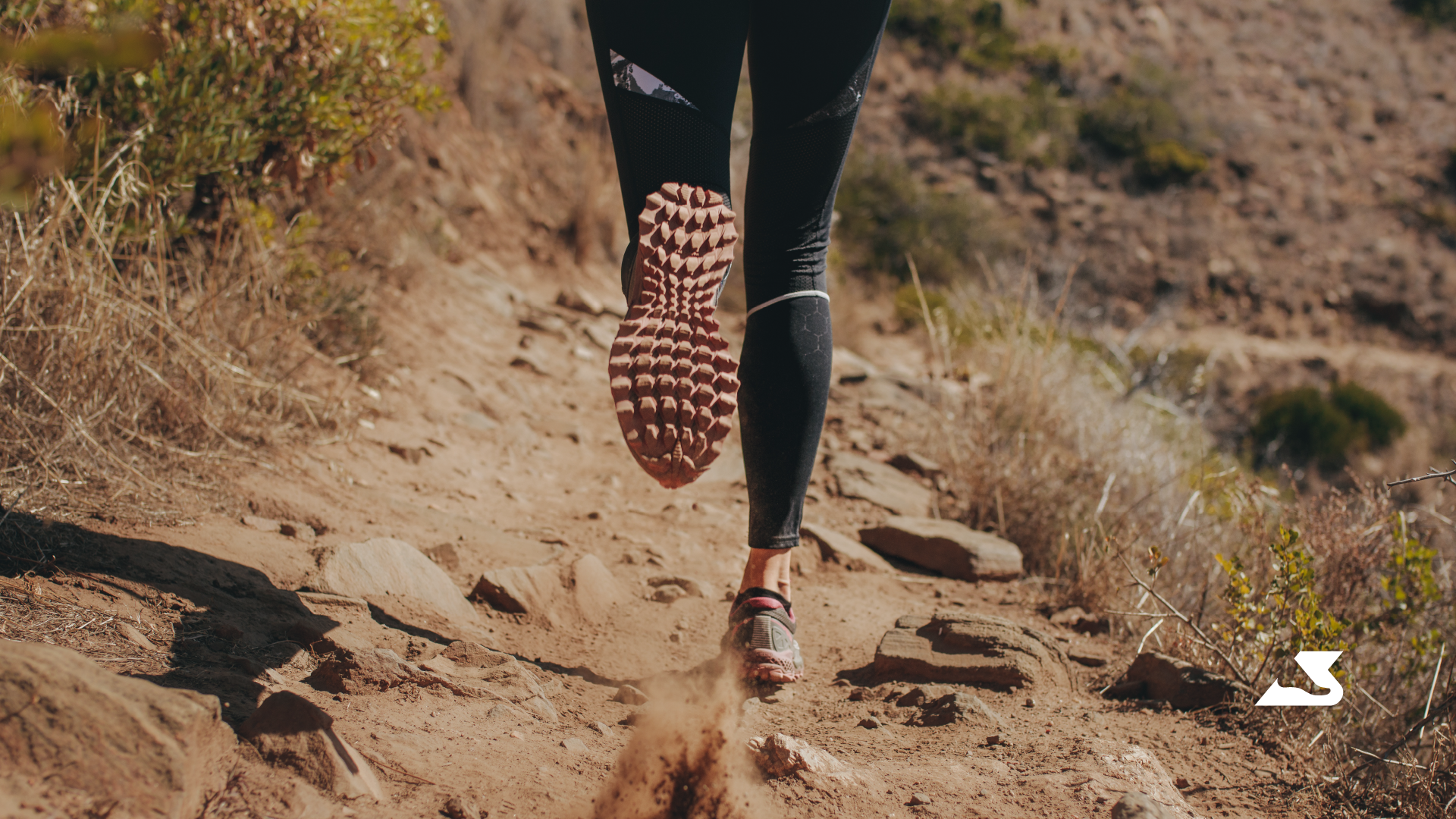
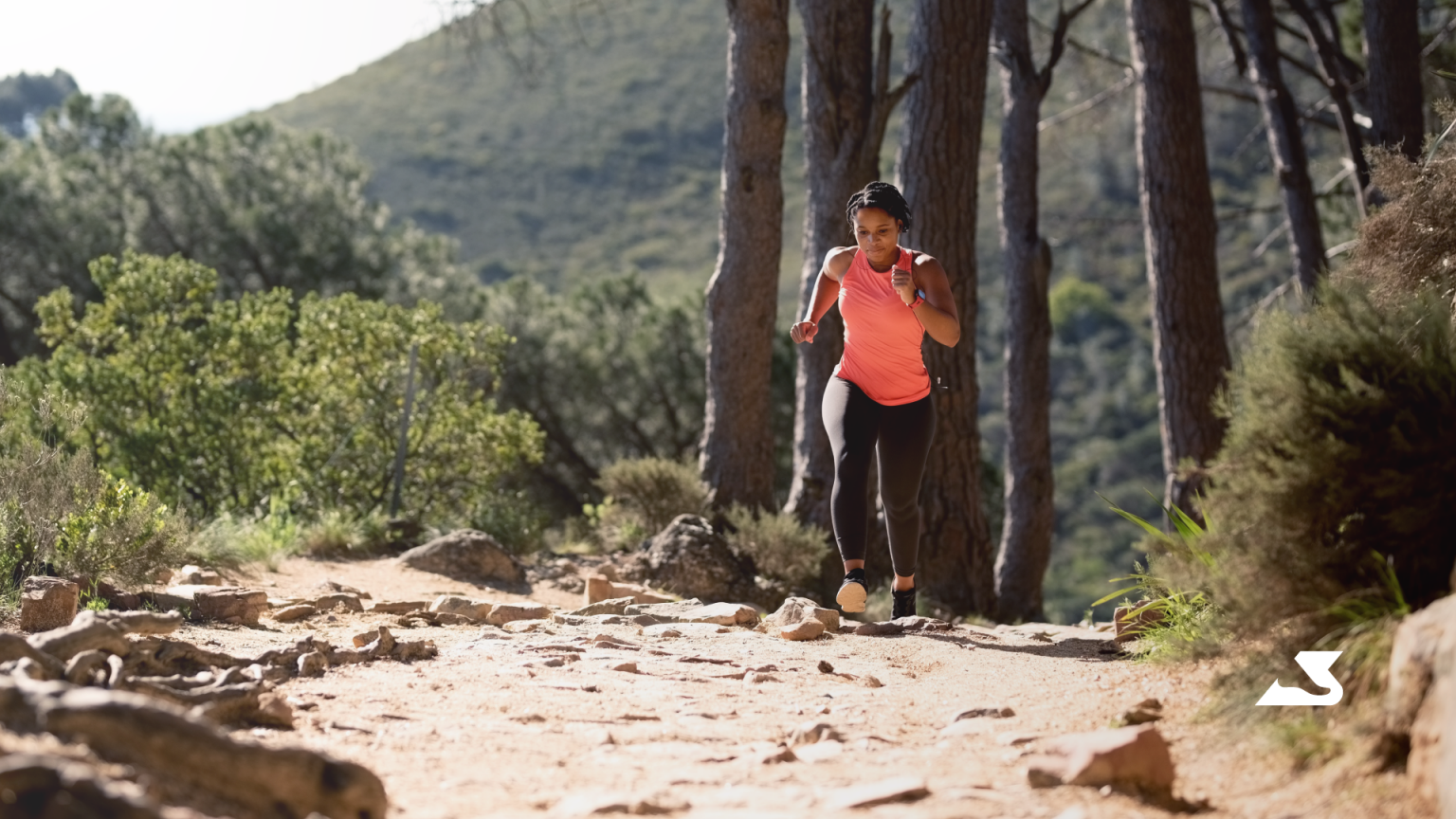
Whether you're planning a leisurely stroll, a challenging hike along rugged trails, or looking to add some trail runs to your physical activity, selecting the right trail shoe can make all the difference for a comfortable and enjoyable experience.
From chasing after the kids or pets to enjoying the weekend activities, and everything in between, you rely on your feet every single day. But when discomfort sets in, it can quickly limit how much you can do. The good news? Small, consistent habits can help you stay comfortable and keep you doing more of what you love. Here are ten practical tips to keep your feet healthy in 2026.
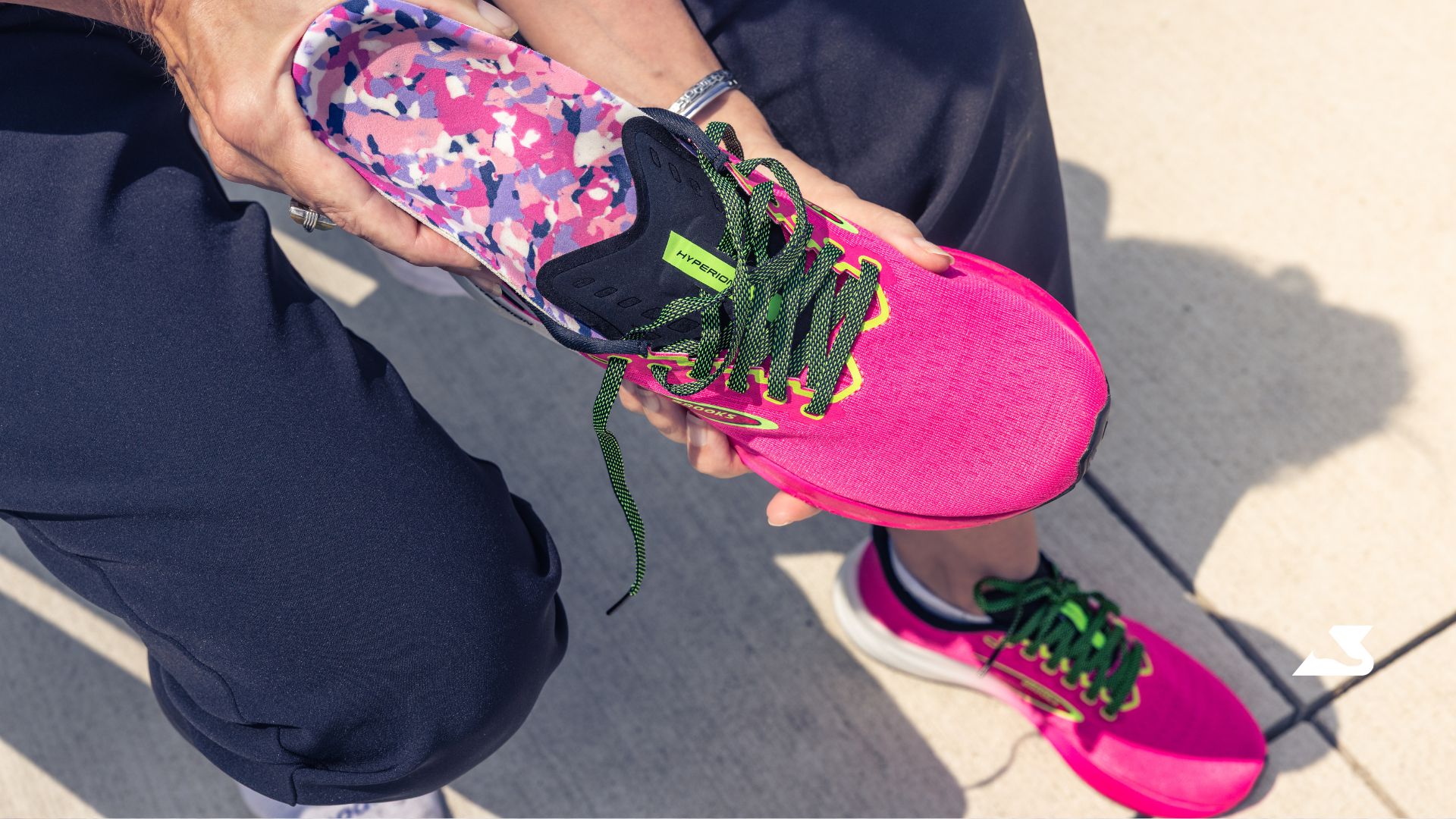
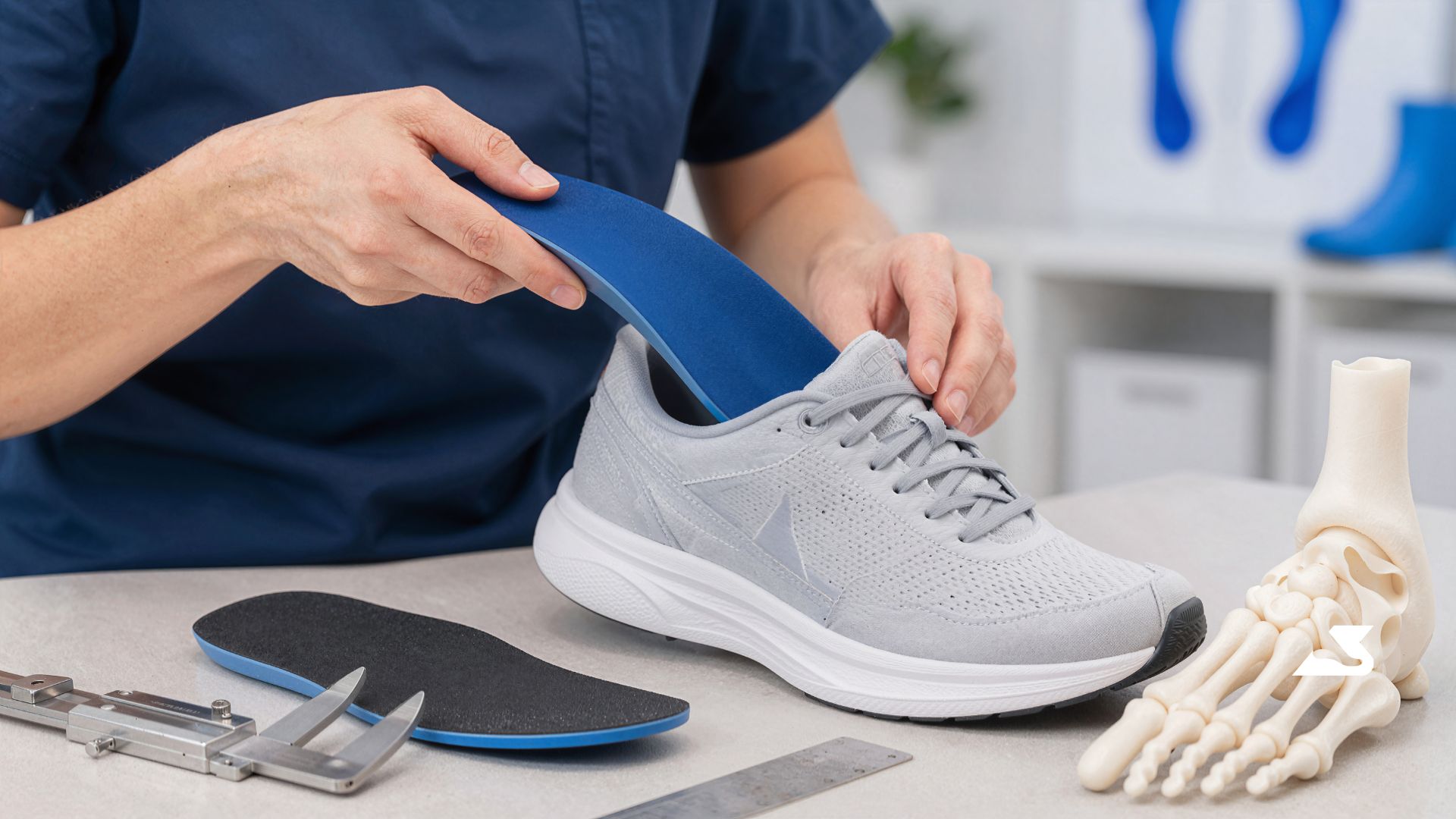
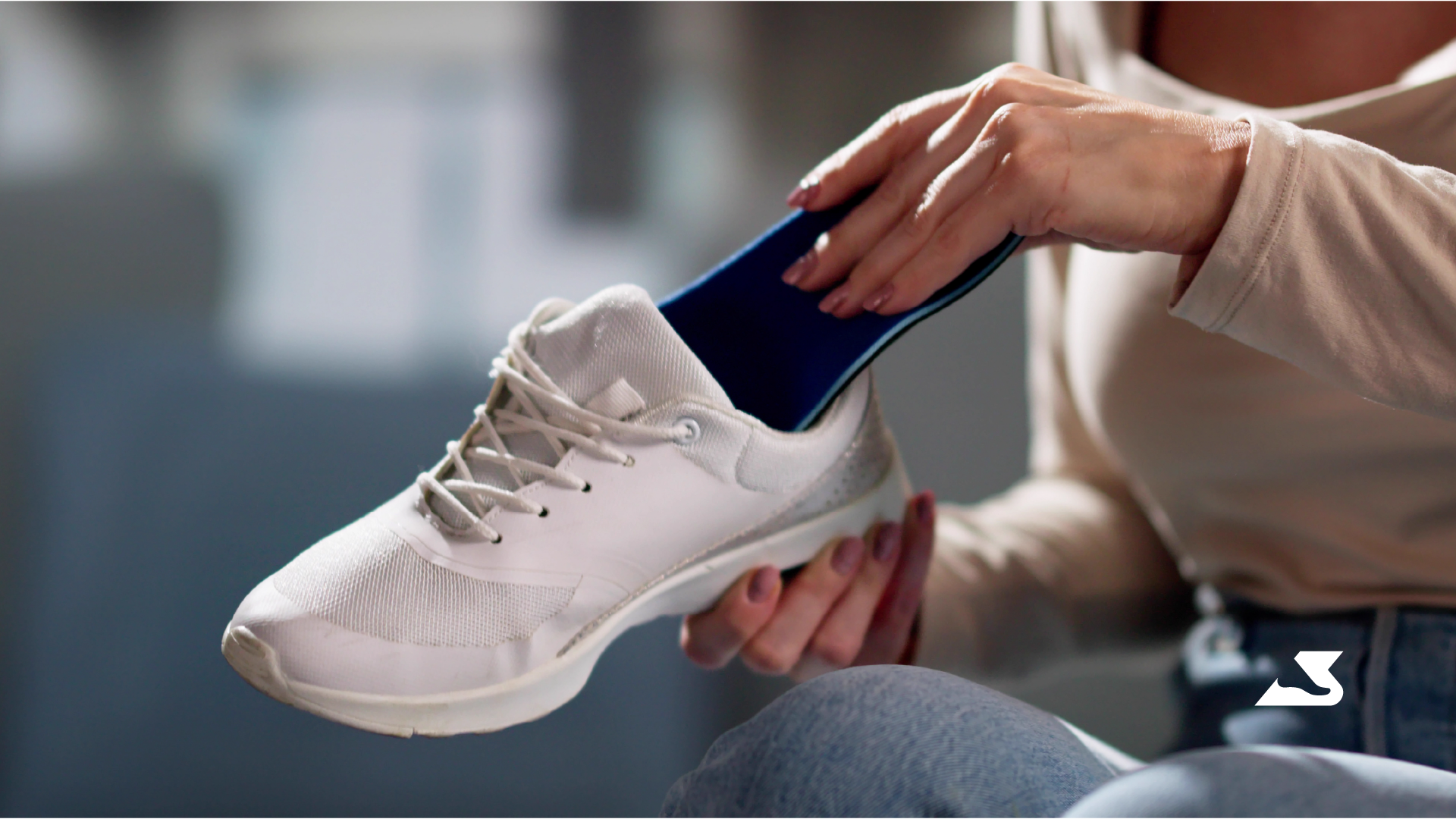
The right shoe can make a world of difference for your feet. Whether you’re suffering from plantar fasciitis, arthritis, flat feet, diabetes, or spend long hours on your feet, choosing supportive footwear is key to helping your feet and lower extremities feel and function their best. Pairing your orthotics with the supportive shoe can provide even better results, but how do you know which shoe is going to work the best? The answer, however, is not that simple, because there is no single style or brand that is “best”, but because finding the right shoe for you depends on fit and function.
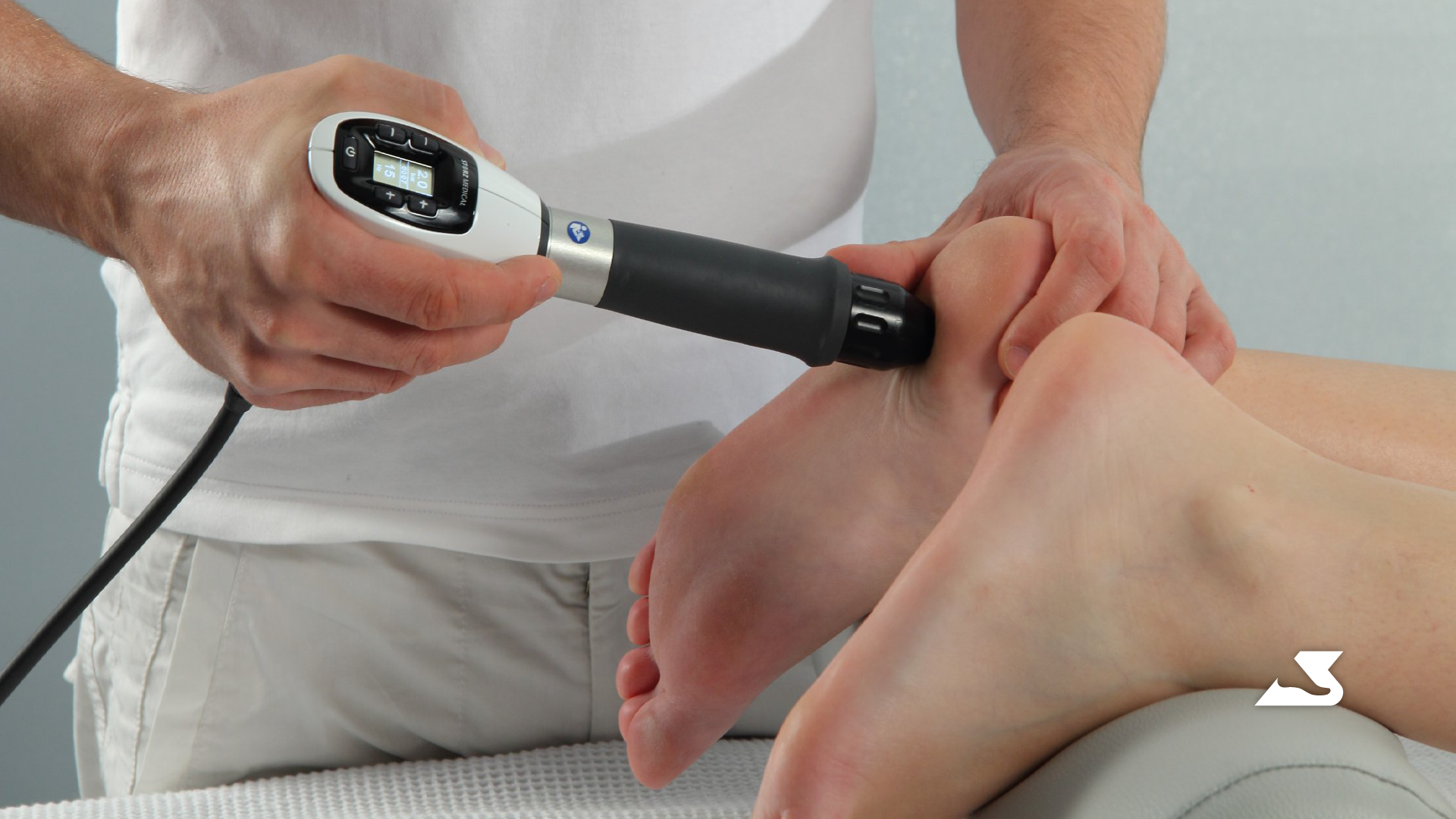
Have you experienced a foot injury from exercising? Have you ever strained your foot trying to stay active? Foot injuries are unfortunately quite common.
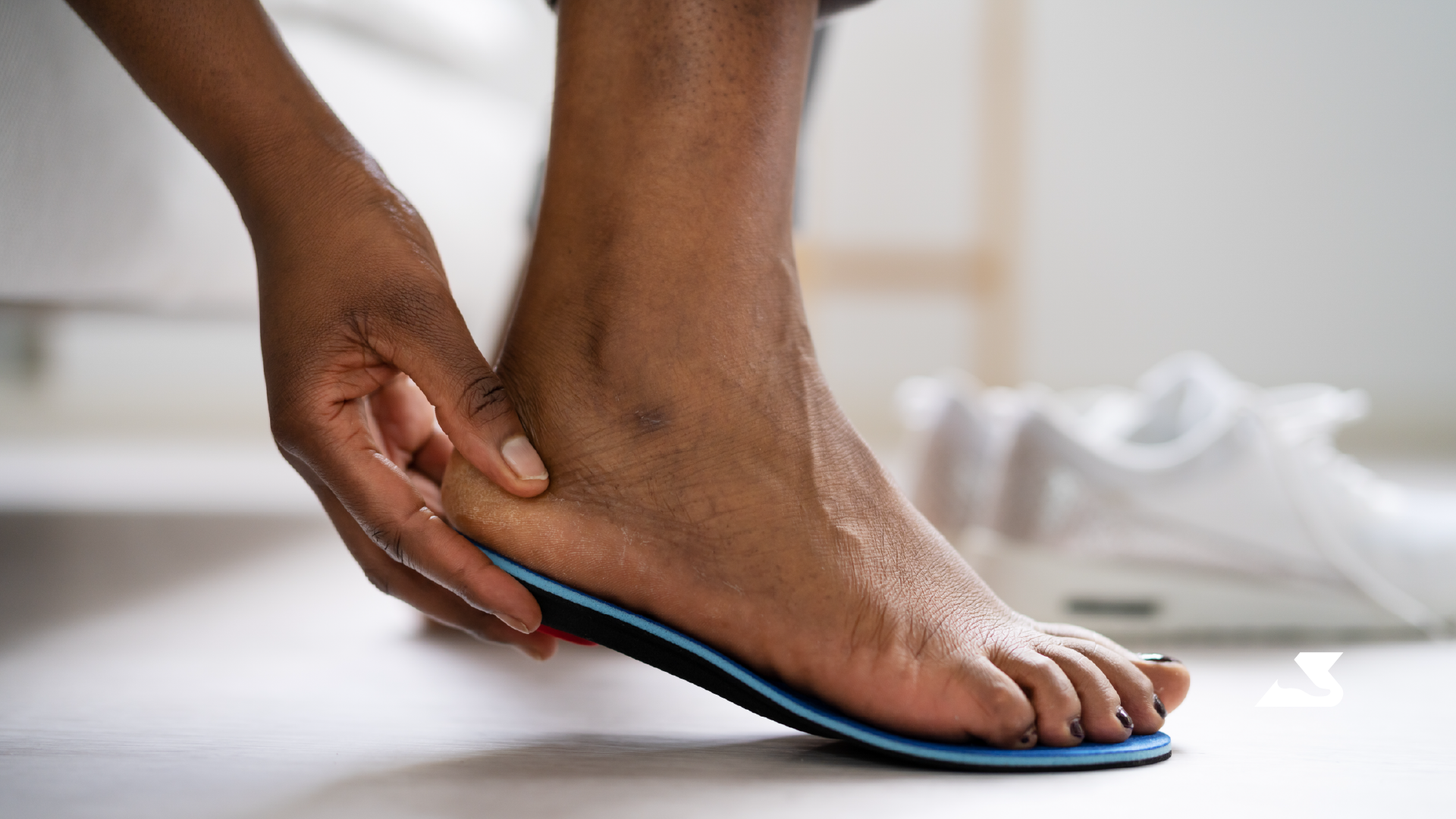
Getting custom orthotics is an important step toward reducing foot pain and improving the way you move. However, some people are surprised when their new orthotics feel uncomfortable at first. Mild soreness or stiffness during the first few days is common because your feet, ankles, knees, and even hips are adapting to a new position. The good news is that this adjustment period is temporary for most people and can be managed with the right approach. Understanding what to expect and following a gradual break-in plan can help you achieve the best long-term results.
Foot pain is more common than you might think—and it often shows up in your heel, the ball of your foot, or around your toes. These small areas bear a lot of pressure every day. When something’s off, even just standing or walking around the house can become painful. The good news? With the right combination of custom orthotics and properly fitted shoes, you can find relief and help prevent things from getting worse.