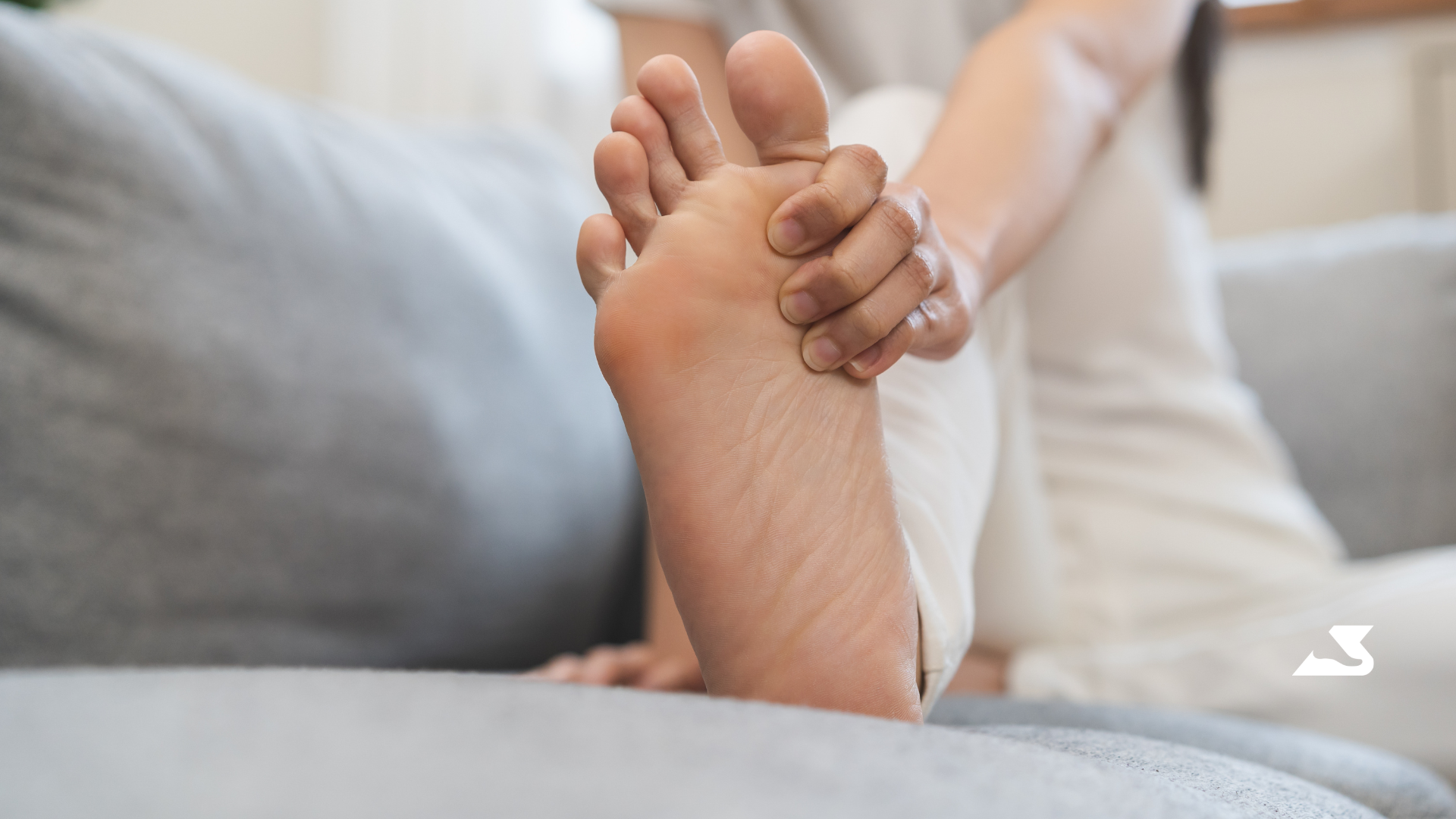
It’s the age-old debate: barefoot and natural, or supportive footwear. When you have pain in your feet, especially along your arch (pain may be sharp shooting pain or feel achy and sore) supporting your foot may be the solution.
When you have foot arthritis, every step can hurt. Each foot has 28 bones and over 30 joints, and can experience inflammation, stiffness, and damage. Whether you are wanting to be proactive or currently suffering in pain, clinical solutions become necessary.
Living with arthritis can be painful, especially when it affects your feet. Your feet bear the weight of your entire body, and arthritis in the feet can make simple tasks like walking, standing, or climbing stairs feel overwhelming. The good news is that custom orthotics can help reduce your pain and discomfort and protect your joints!
Whether you're planning a leisurely stroll, a challenging hike along rugged trails, or looking to add some trail runs to your physical activity, selecting the right trail shoe can make all the difference for a comfortable and enjoyable experience.
When standing, the body is a closed kinetic chain, meaning what happens in the feet can affect the ankles, knees, hips and back. If the feet are abnormally positioned or their alignment is off, the rest of the body could suffer.
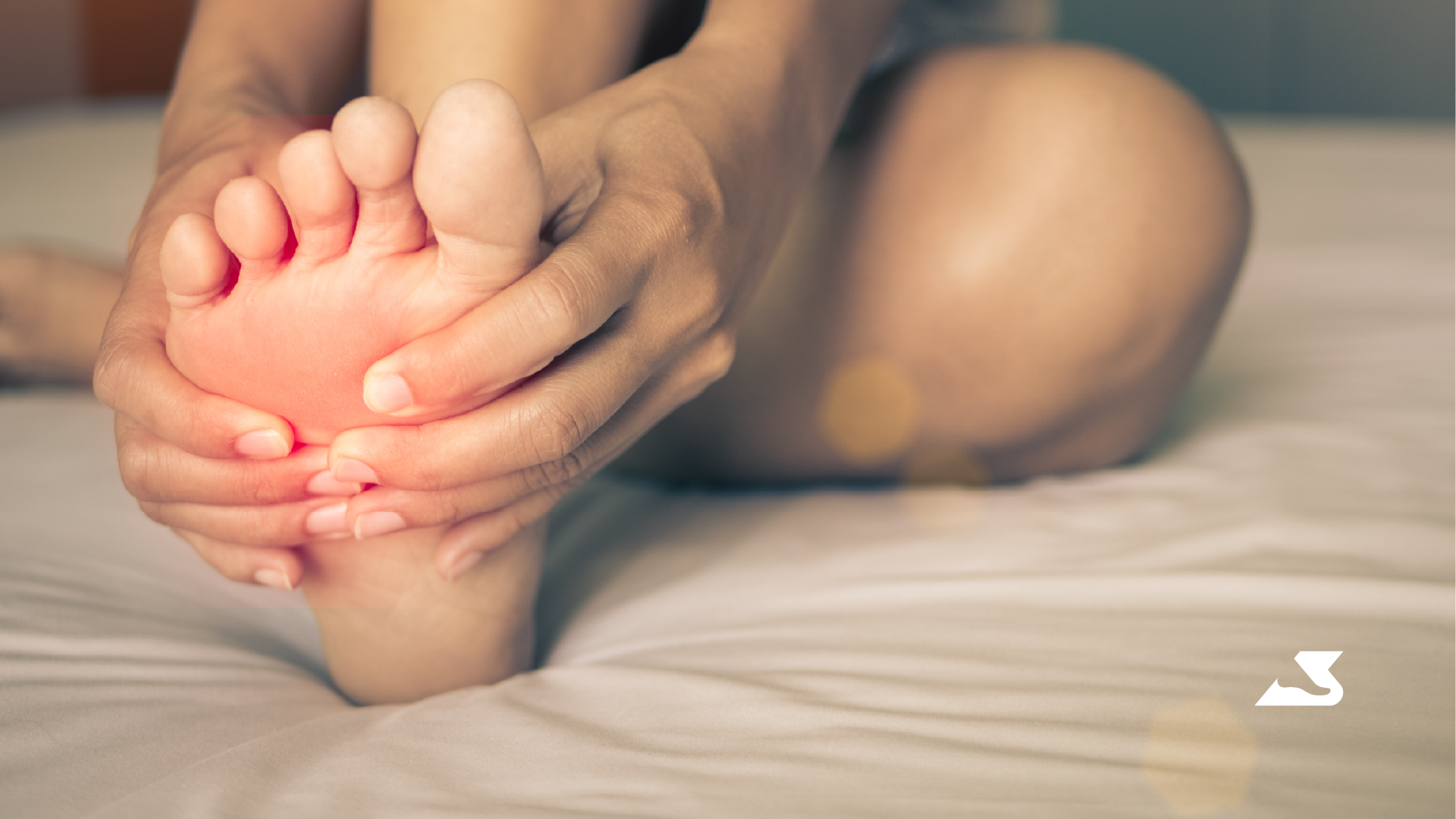
Every single day your feet work tirelessly for you, performing many different tasks - they absorb the impact of thousands of steps, support our entire body weight, and balance us through complex movements. Developing foot pain can be debilitating, and affect your daily life.
Feeling stuck when it’s time to pick a gift? No sweat, we’ve got you covered with smart ideas you can pick up at a BioPed clinic. These thoughtful options are perfect for anyone who spends time on their feet, could use some extra comfort, or just deserves something a little pampering.
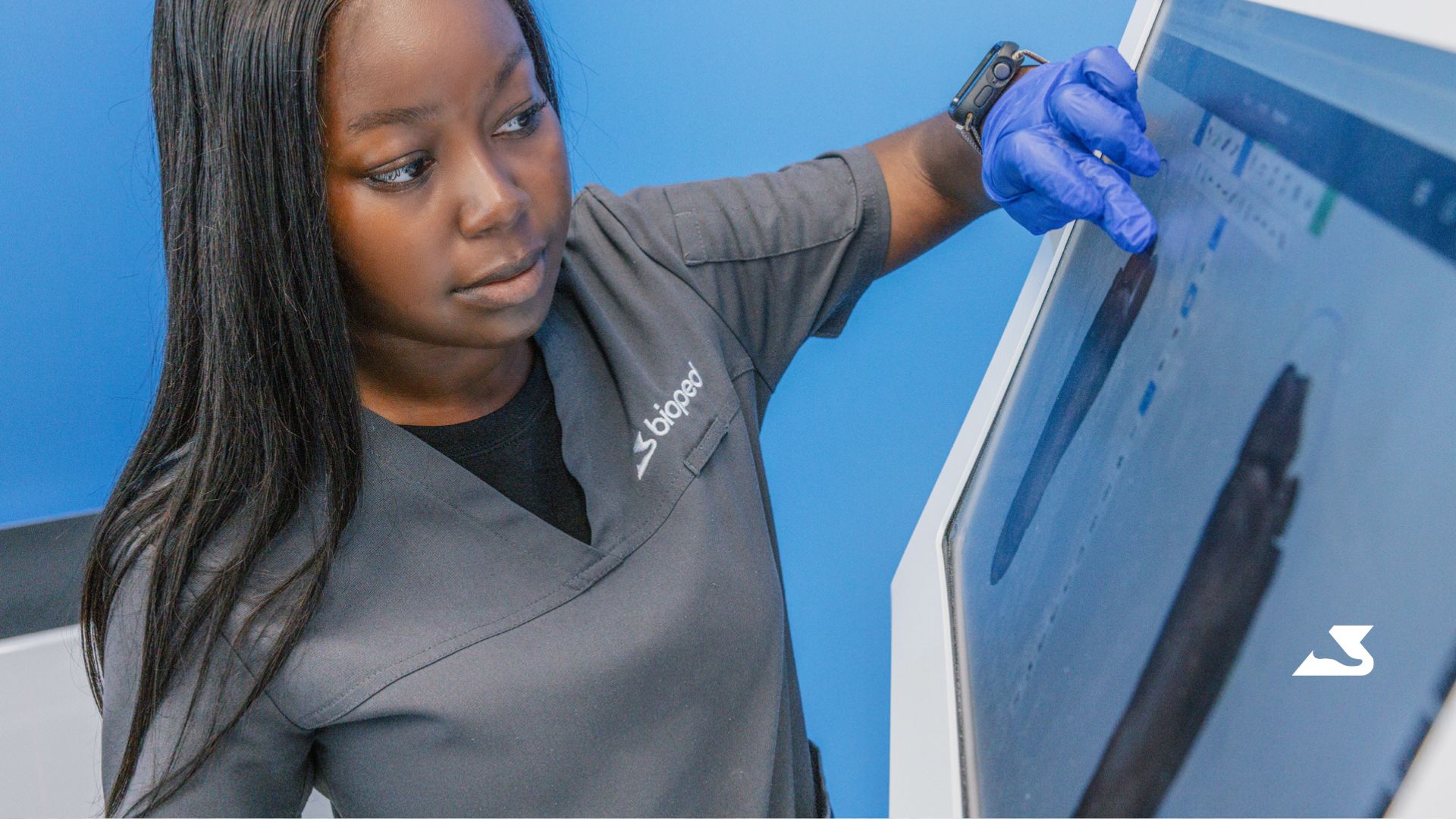
Foot pain, knee pain, and foot care - all reasons to visit a BioPed clinic! At BioPed clinics, you could have an assessment with a Chiropodist, Pedorthist or Footcare Nurse. Each role is vital to our foot care team, and we hope to clarify the differences.
The Footlogix line of products offers a range of scientifically advanced solutions to help keep your feet and nails healthy, moisturised, and rejuvenated.
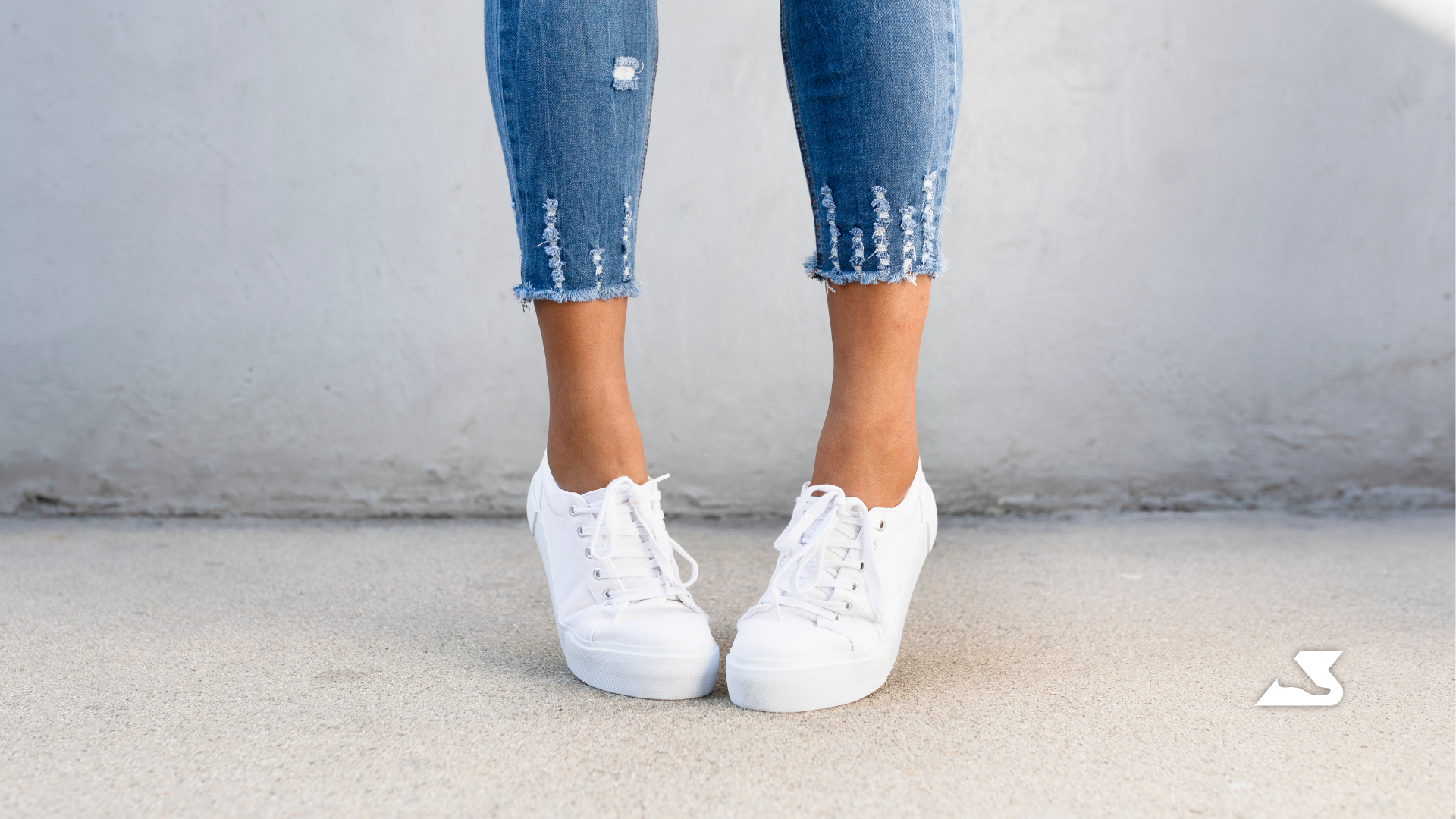
When it comes to footwear, comfort and style often top the list of priorities for many people. Athleisure wear shoes like Vans and Converse, with their timeless designs and casual appeal, have gained immense popularity over the years.