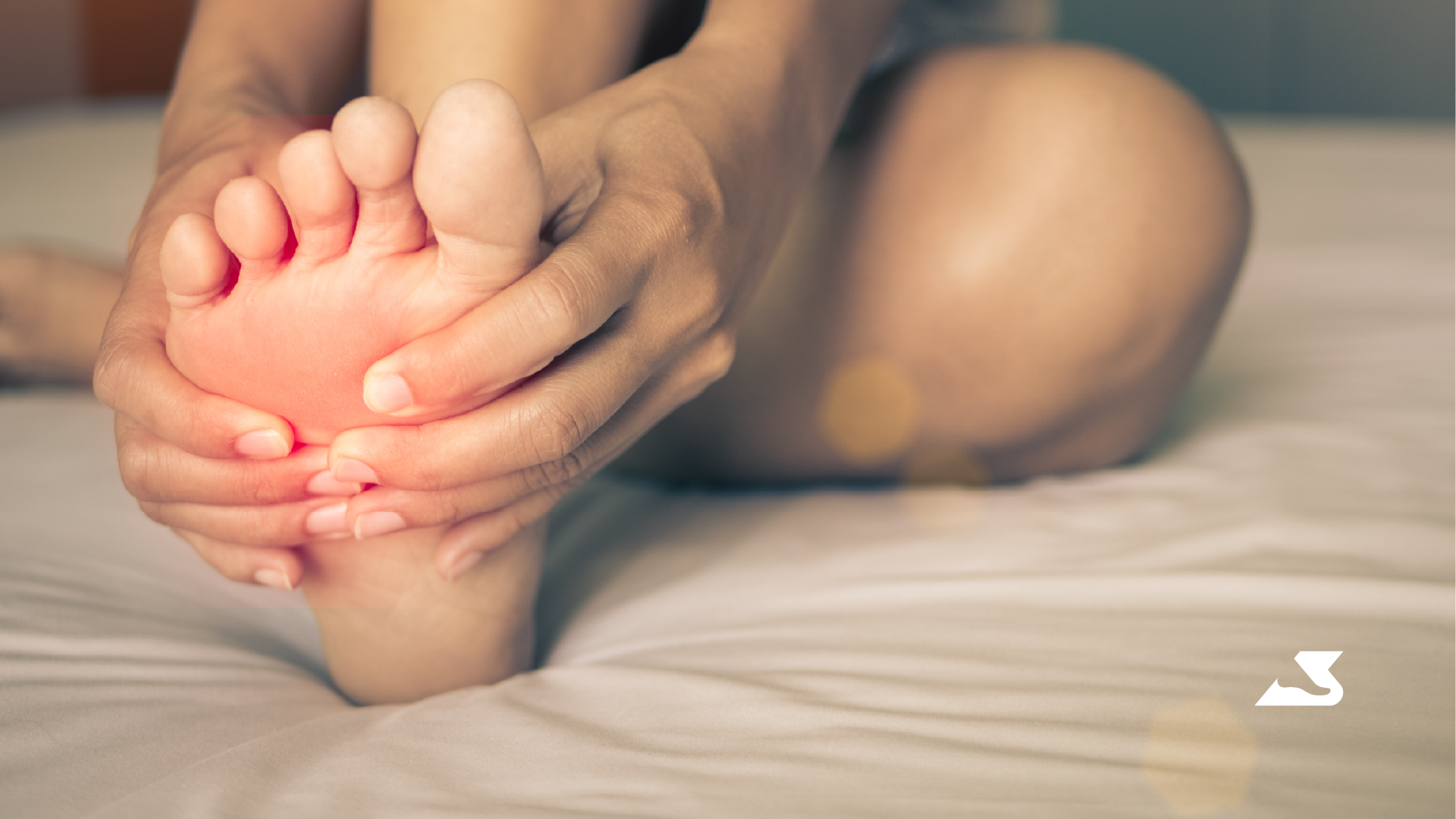
Living with arthritis can be painful, especially when it affects your feet. Your feet bear the weight of your entire body, and arthritis in the feet can make simple tasks like walking, standing, or climbing stairs feel overwhelming. The good news is that custom orthotics can help reduce your pain and discomfort and protect your joints!
According to the Arthritis Society of Canada, 1 in 5 Canadians suffer with arthritis. Arthritis comes in several forms, and it can affect every joint in our bodies. It can cause cartilage breakdown within the joint space, resulting in pain as the joint’s bones rub together, and it can cause inflammation of a joint in response to an autoimmune response.
When it comes to accessing the care in our clinics, a common question is whether the province’s health plan will cover the cost. Programs such as OHIP (Ontario Health Insurance Plan), HIBC (Health Insurance British Columbia), Alberta Health Care Insurance Plan (AHCIP) and MSI (Medical Services Insurance) typically do not cover the items or services offered at BioPed for your foot health.
A good lower limb clinician that fits you with the proper shoes for your feet is like an eye specialist finding the perfect glasses for your eyes – both are important to your overall health.
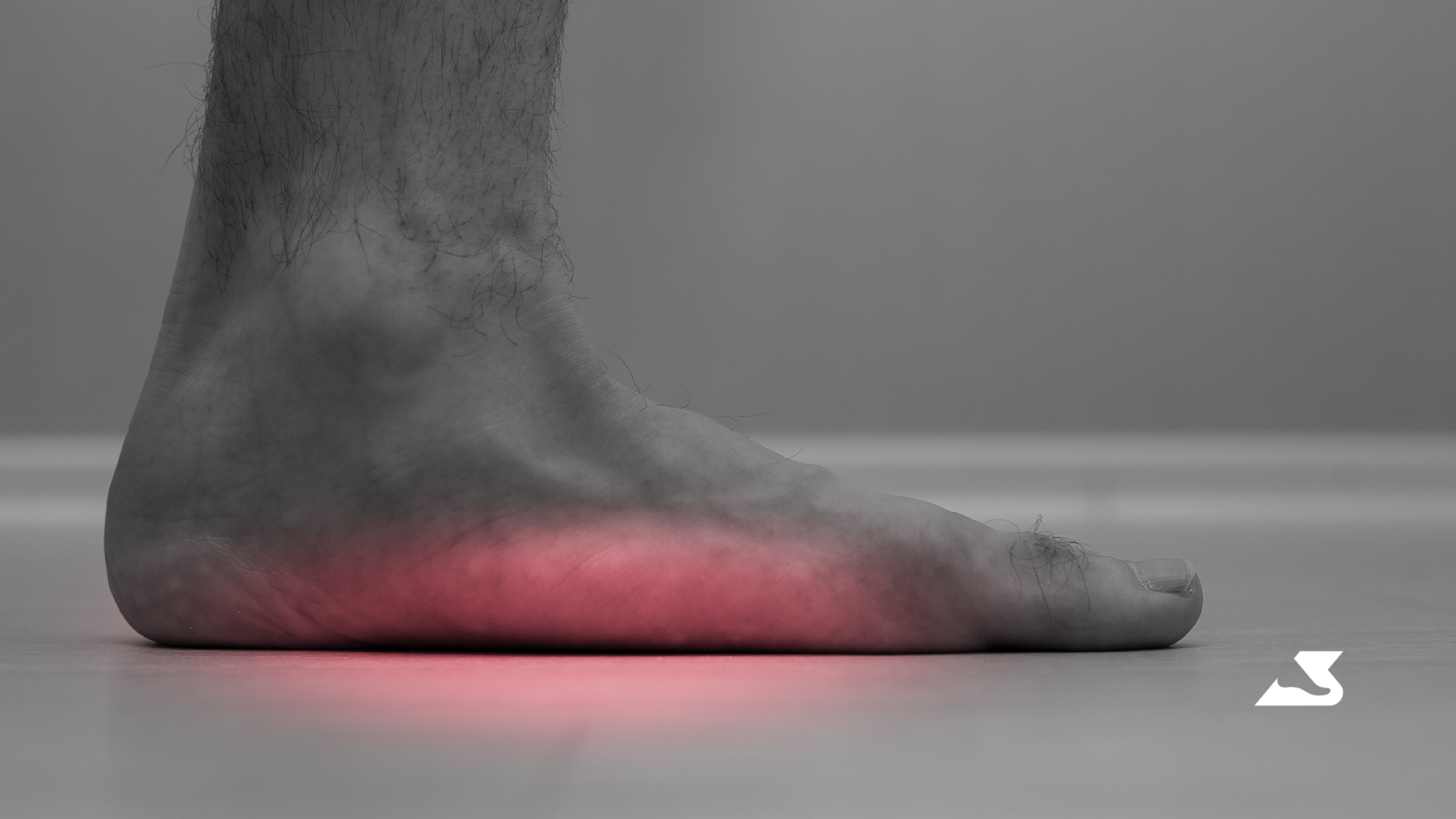
When we walk, our feet must move and adapt in certain ways to lessen the risk for injury, pain and discomfort. To prepare for contacting ground, the foot arch must be higher or more supinated, making the foot a rigid lever for heel strike. As the body progresses through the gait cycle, the arch flattens slightly or pronates to adapt to uneven terrain and absorb shock from the ground.
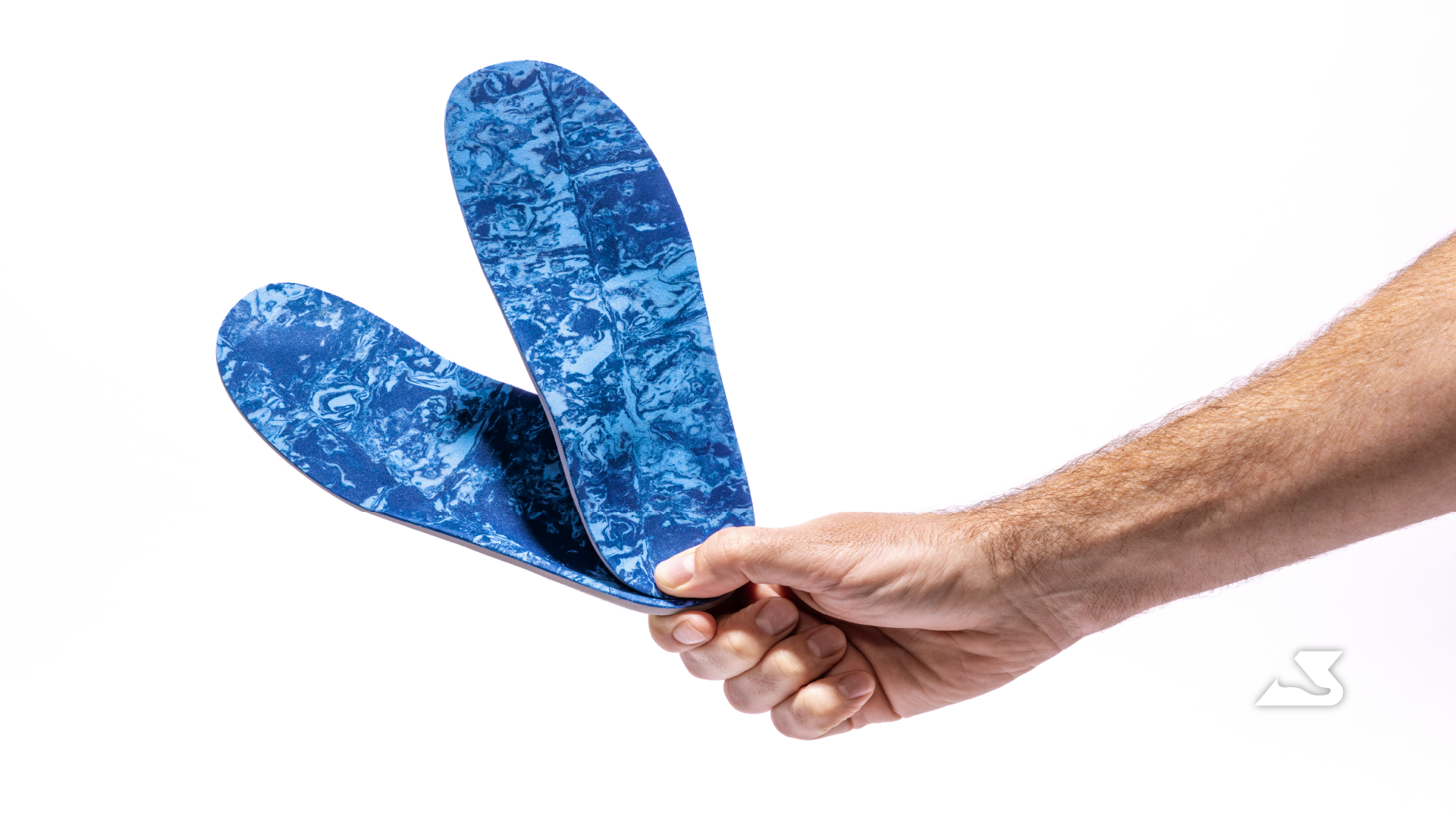
Orthotics do more than just support your arches. In addition to providing relief for painful foot problems or injuries, orthotics may also help those who must walk or stand for a long time as part of their job by redistributing pressures across their feet and lower limbs.
Our feet carry us all day, every day, through life, yet we often neglect their care until they demand our attention. This May, let's prioritize foot health and make strides towards happier, healthier feet.
A plantar fibroma is a knot or nodule of fibrous tissue that develops in the arch of the foot. They can develop in one or both feet and can be painful to walk on. They can also cause a change in the way you walk, which can put abnormal strain on your body’s joints and soft tissues.