Can compression socks improve my performance when skating or playing hockey? Compression socks can be a great way to improve performance during your game and today we will let you know how.
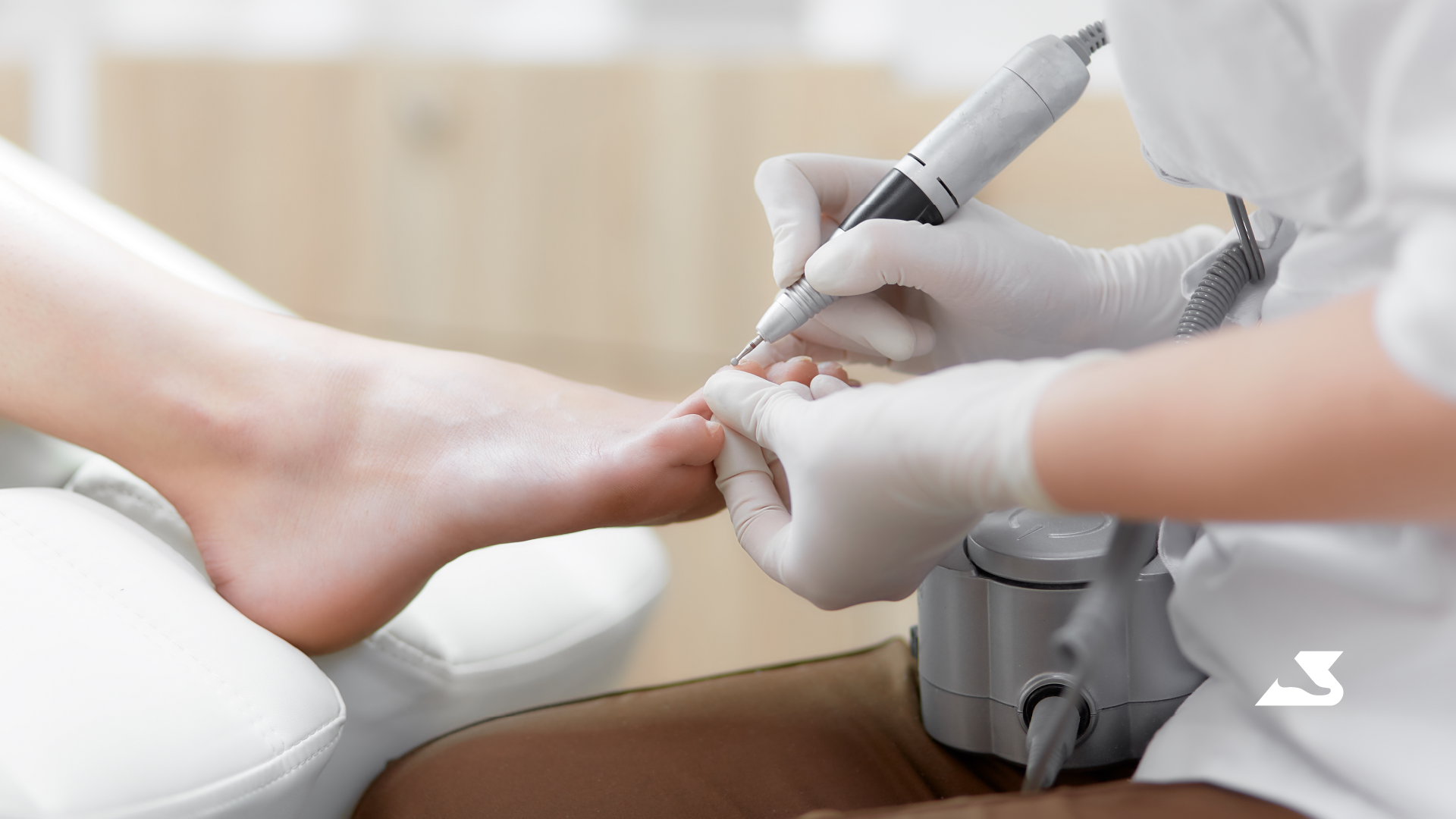
Fungal toenails, also known as onychomycosis, occur due to an infection of the nail. It is similar to another fungal infections of the foot, such as Athlete’s foot, although they differ in their location and treatment protocol. It is vital to understand these differences when preventing and attending to fungal toenails.
An ingrown toenail is a common foot problem, accounting for 20% of all foot-related family doctor visits. Family doctors will often refer their patients to an Advanced Footcare Nurse or Registered Chiropodist so you have come to the right place!
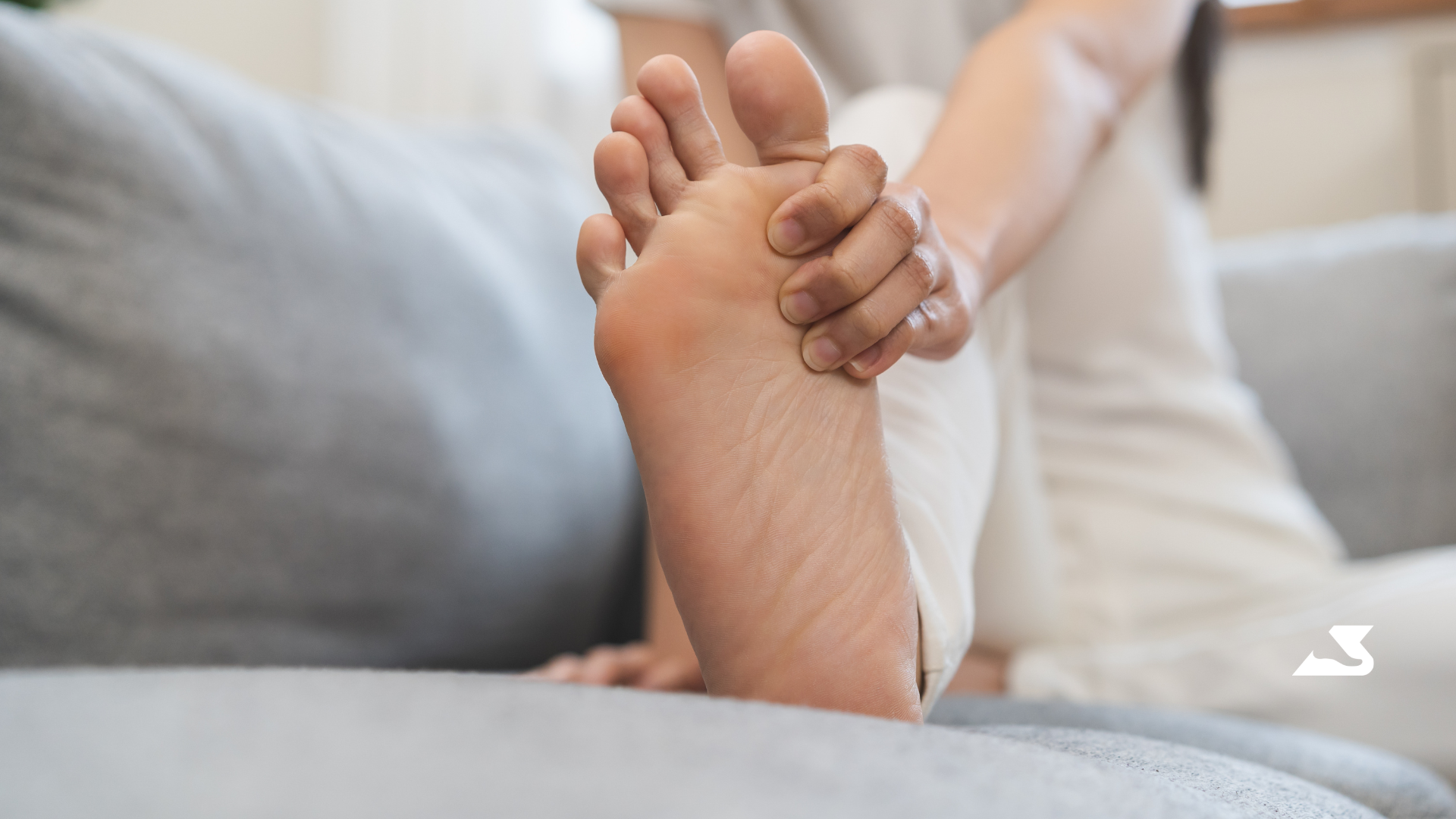
When you have foot arthritis, every step can hurt. Each foot has 28 bones and over 30 joints, and can experience inflammation, stiffness, and damage. Whether you are wanting to be proactive or currently suffering in pain, clinical solutions become necessary.
Toenail Bracing has made groundbreaking developments in the past decade, and is now a great treatment for ingrown toenails. Onyfix® has evolved the toenail brace to become a gentle nail correction system that only involves a layer of resin, made of methylacrylate. It is described as a painless treatment and involves no surgical intervention. Patients with diabetes or children may strongly consider it!
Every single day your feet work tirelessly for you, performing many different tasks - they absorb the impact of thousands of steps, support our entire body weight, and balance us through complex movements. Developing foot pain can be debilitating, and affect your daily life.
When standing, the body is a closed kinetic chain, meaning what happens in the feet can affect the ankles, knees, hips and back. If the feet are abnormally positioned or their alignment is off, the rest of the body could suffer.
Smelly shoes can be embarrassing and frustrating. Even after washing your feet or changing your socks, the odour can come back quickly! In many cases, the smell is caused by sweat, bacteria, and moisture building up inside your shoes.
Neuropathy or peripheral neuropathy occurs when the nerves outside of the brain become damaged. Peripheral neuropathy causes weakness, loss of sensation or numbness and pain most commonly in the hands and feet. There are several causes of neuropathy, including infection, injury, inherited conditions, and metabolic diseases such as diabetes.
Toenail fungus is evident in the toenail itself, but the infection resides in the nail bed underneath the nail plate. The nail matrix or cells from which the nail grows is the part of the toenail that becomes infected with fungus.