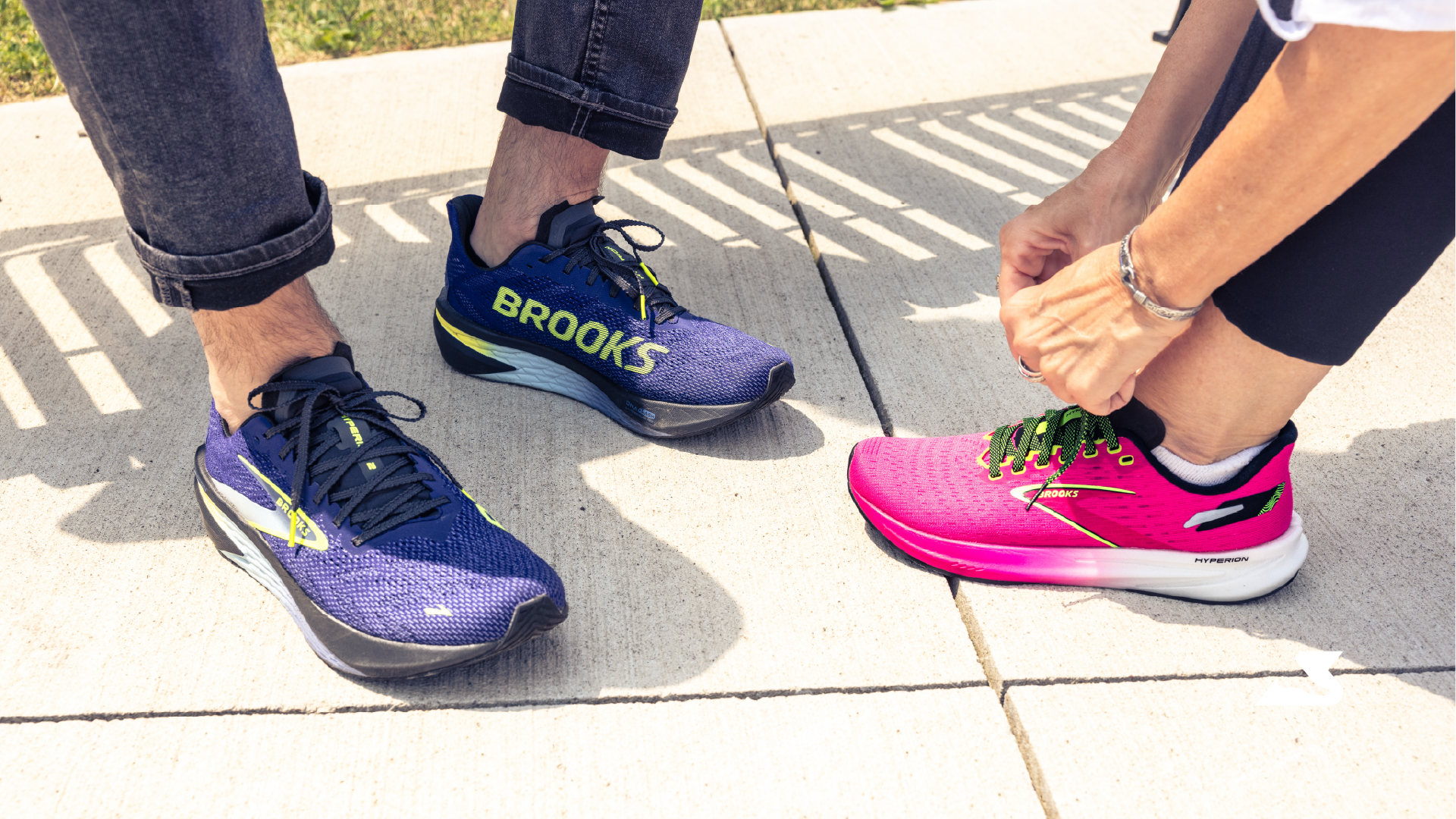
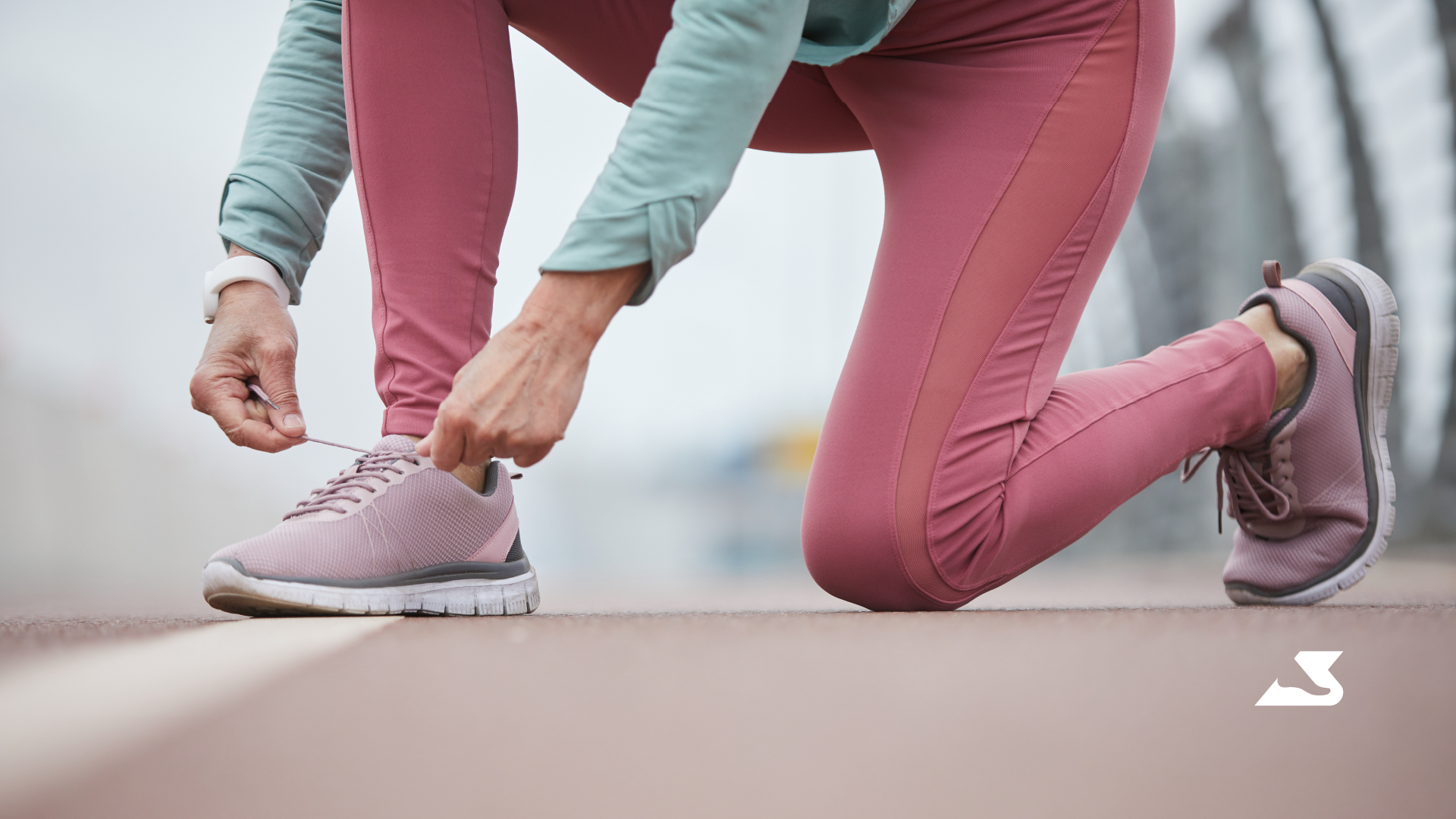
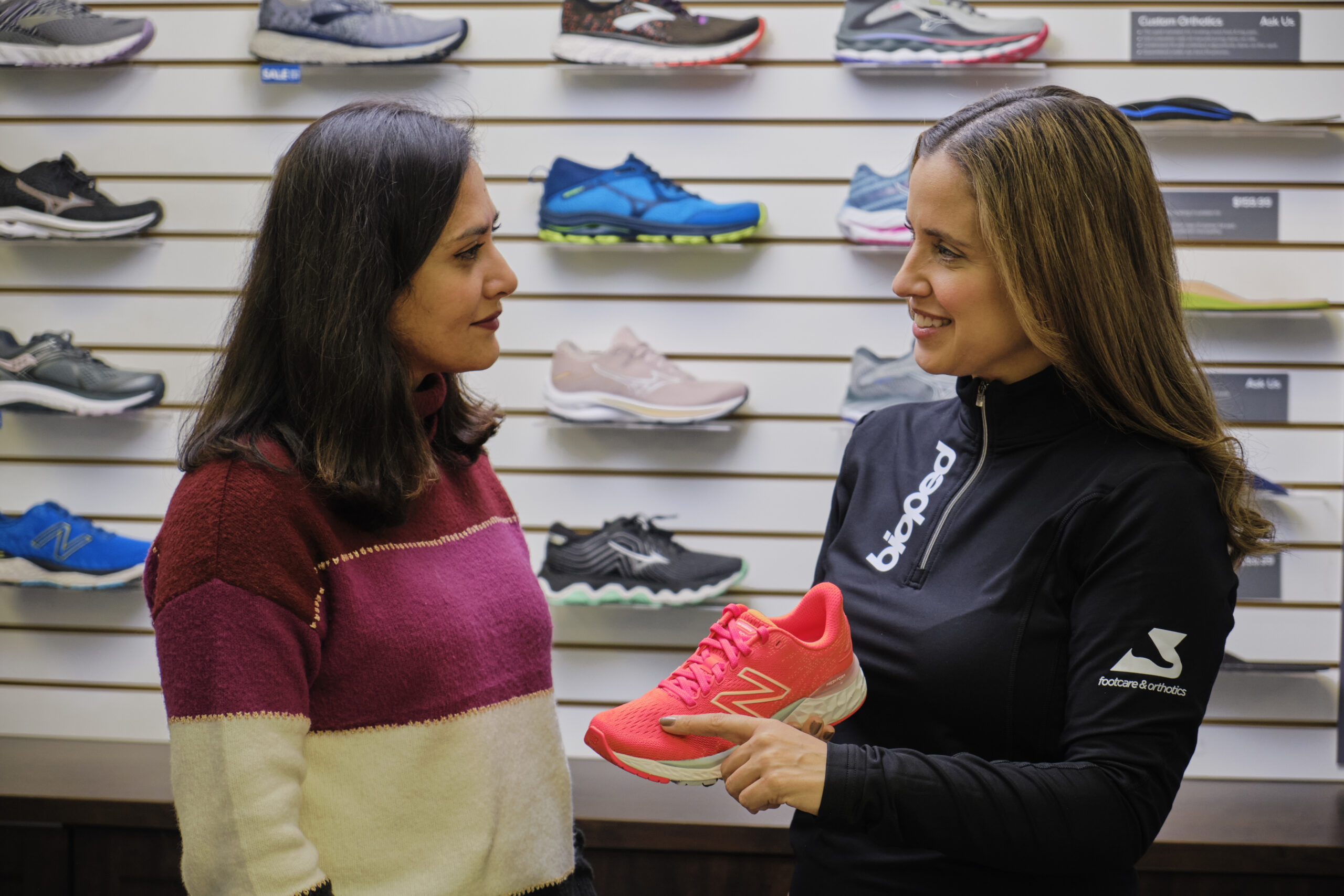
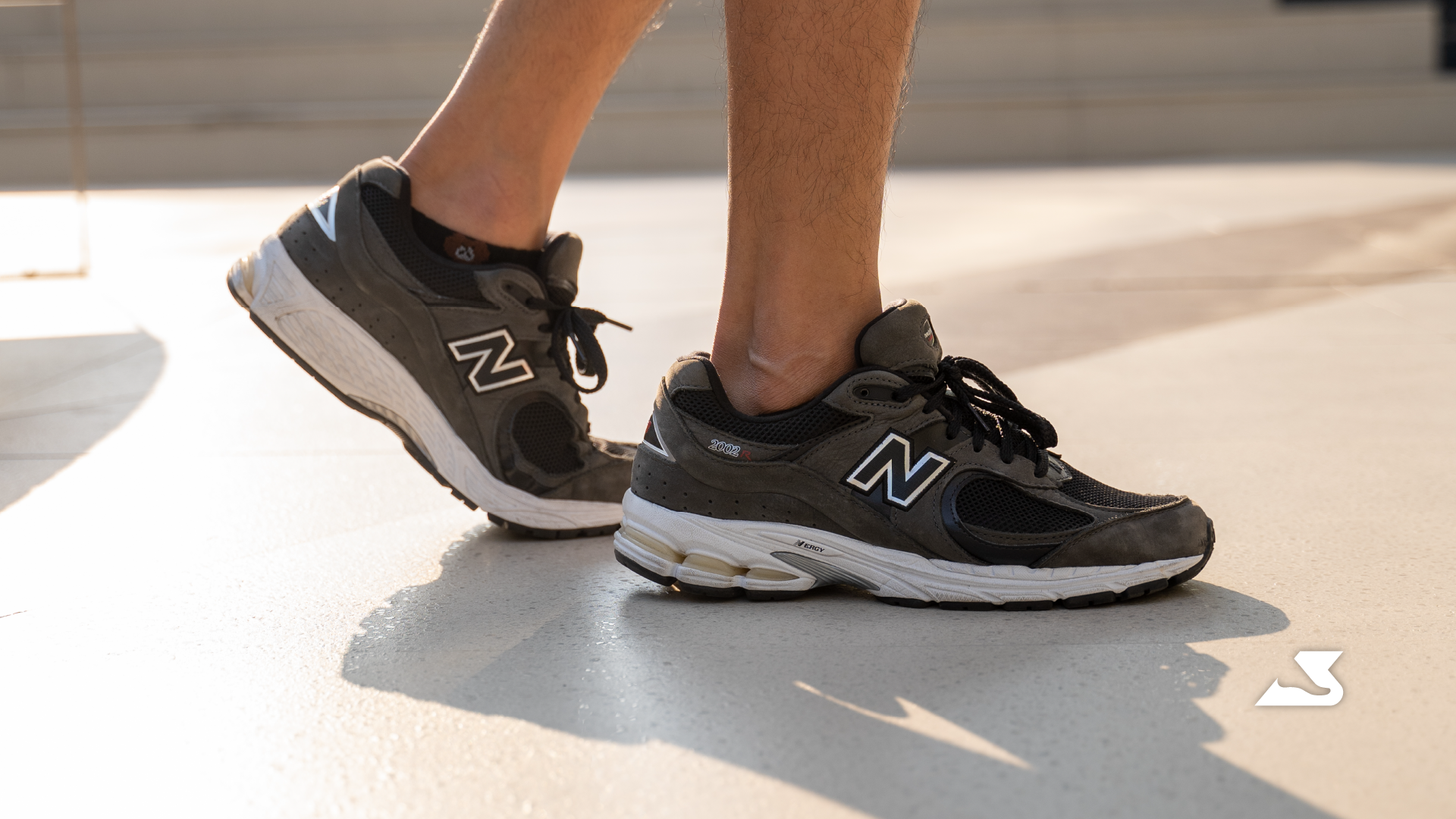
If you are an active person who does a variety of activities, both indoors and outdoors, you probably have wondered to yourself: “Do I really need different shoes for different sports?”
Finding the right shoe can be tough! And as a teacher you need something that fits and feels just right to get you through a long day on your feet. Today we will talk give you a few tips on how to find the right shoe and a few options to consider.
Toenail pain is a common complaint, especially amongst runners, athletes, and those spending many hours on their feet. While it might seem like a minor issue, it can sometimes point to something more serious. A common finding is “runner’s toenails,” which can be a sign of pride for many, but a source of pain for others. Several conditions can be caught under this umbrella term, such as yellow toenails, black toenails, ingrown nails, infection, and overall pain.
Nothing is more important to your feet than a pair of shoes. Your feet are what keep you moving through life, from working that 12-hour shift to scoring the game-winning goal.
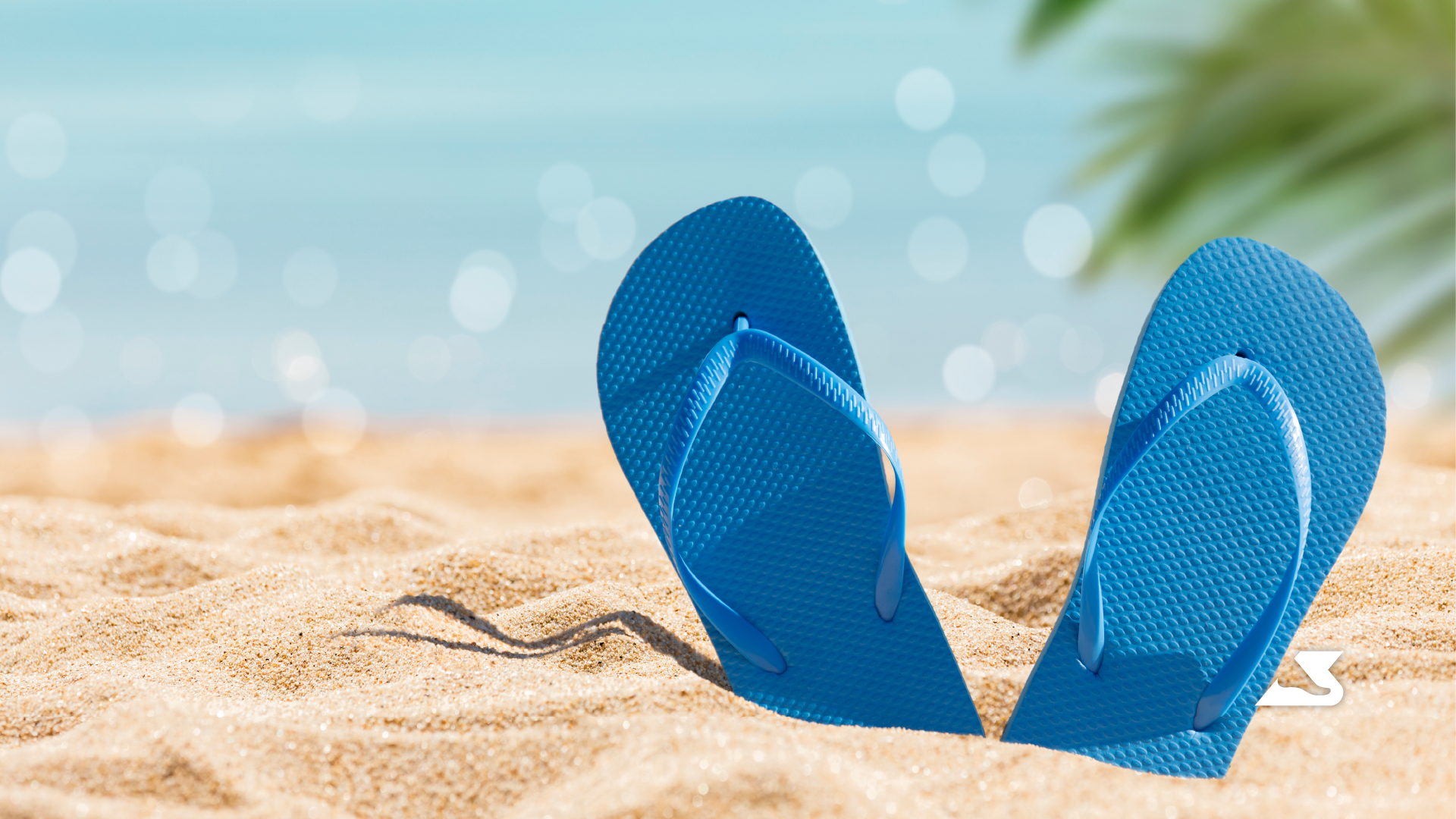
Summer is the perfect time to let your feet breathe and feel the sun. Flip-flops are often the go-to footwear for many when the temperature rises. But are these casual sandals good for your feet? The answer isn’t as simple as yes or no. While flip-flops can be convenient and stylish, they often lack the support your feet need, potentially leading to discomfort or even injury.
Your feet are the foundation of your movement, bearing your entire body weight with every step. Caring for our feet begins with foot care begins with choosing the right shoes—footwear that supports, cushions, and aligns the feet to prevent pain and long-term issues. With healthy footwear and guidance from a professional, you can keep your feet in optimal health, setting the stage for what we like to call “happy feet.”
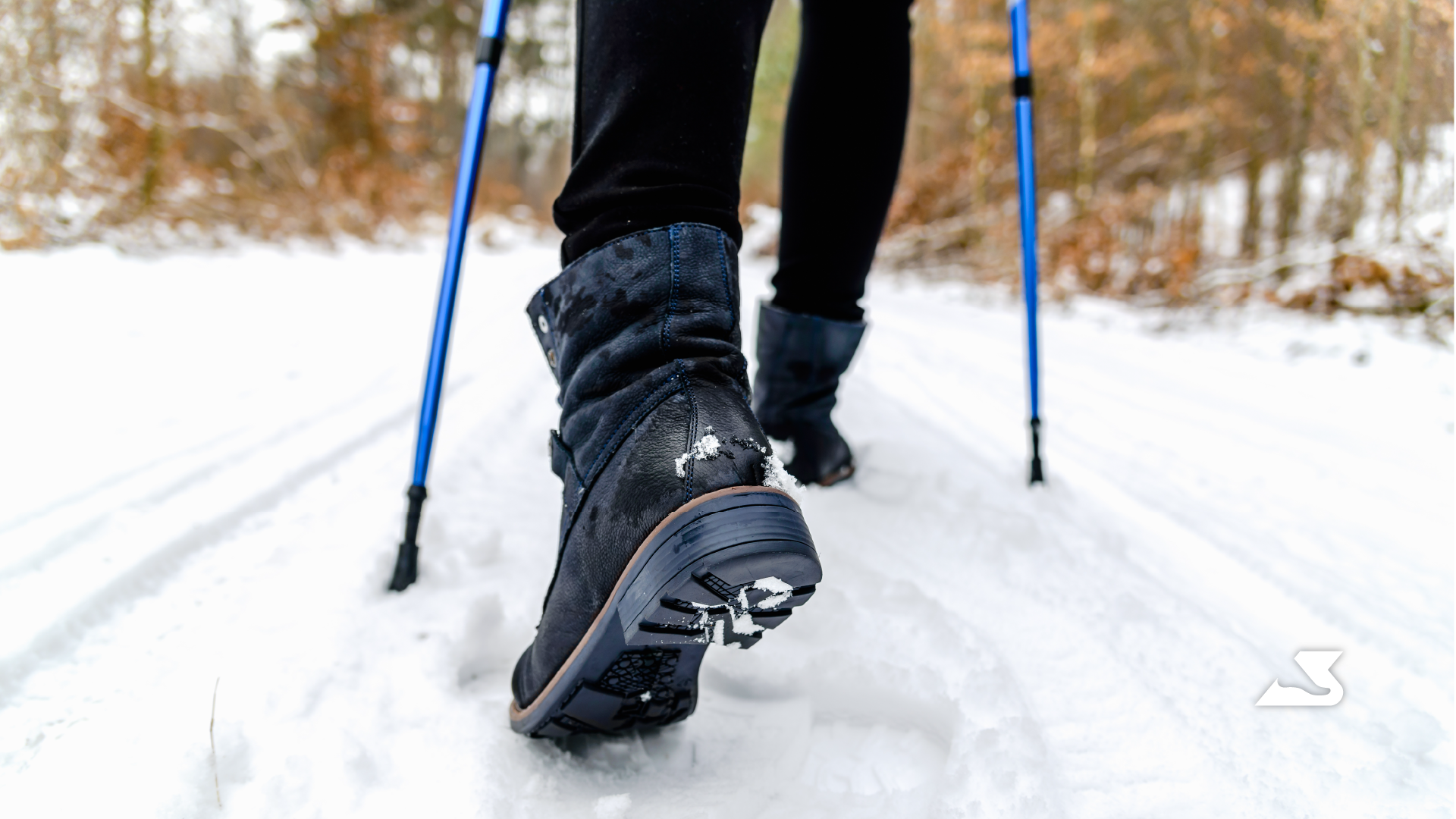
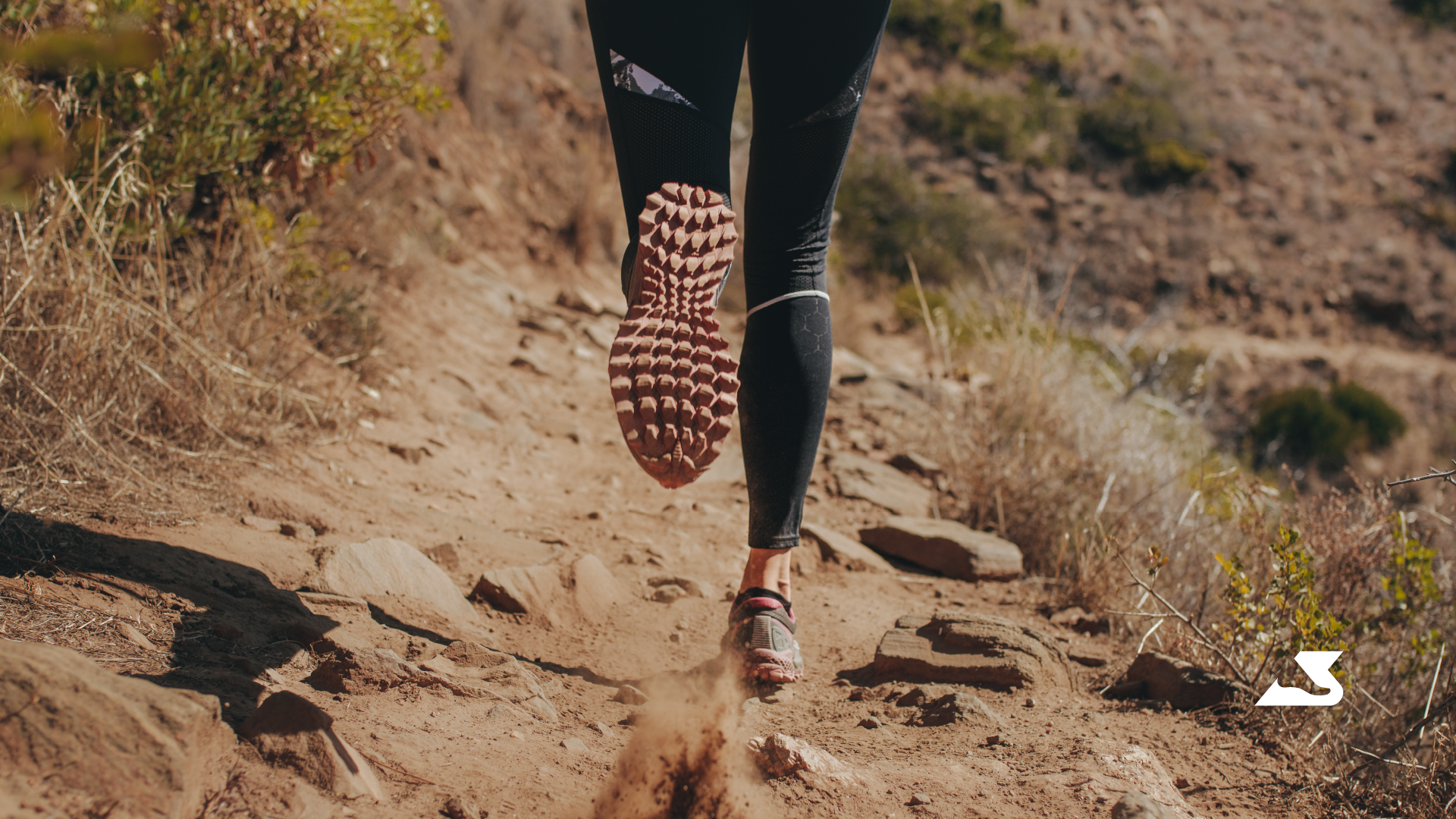
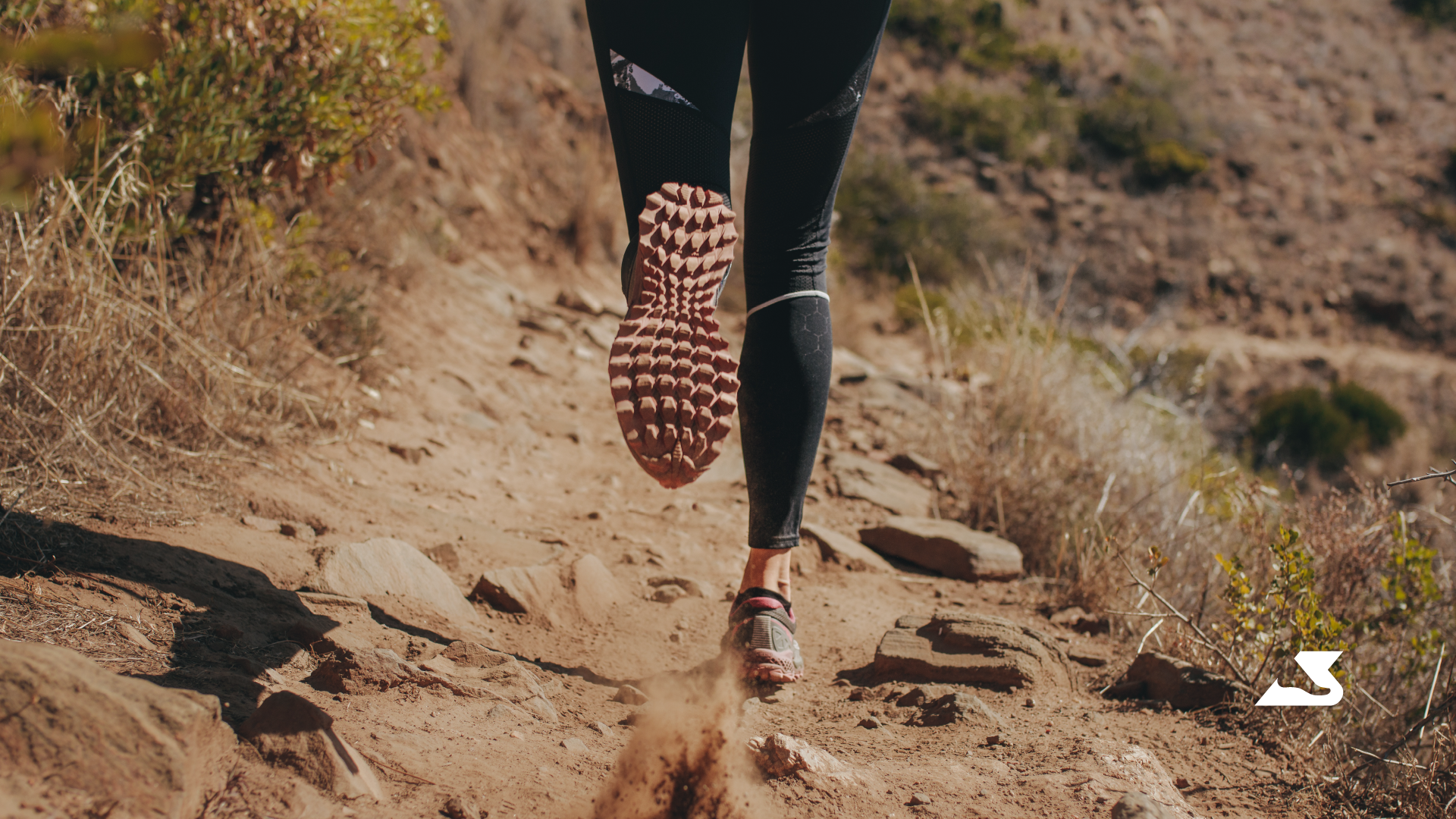
Whether you're planning a leisurely stroll, a challenging hike along rugged trails, or looking to add some trail runs to your physical activity, selecting the right trail shoe can make all the difference for a comfortable and enjoyable experience.
The back-to-school rush is upon us. Amongst the mad rush for new school supplies, backpacks, and the elusive indestructible water bottle, back to school shoes are an important piece of equipment for the upcoming school year.
Athlete’s foot is a fungal infection of the skin and is also known as tinea pedis. Fungus likes to live where it is warm, dark and moist and as a result, people with sweaty feet are more susceptible to developing this type of infection. Athlete’s foot can be uncomfortable, smell bad and may even lead to other types of infections which could interfere with treatment and recovery. Fungal infections are contagious and can be spread from person-to-person. Additionally, if your immune system is compromised, you may also be more at risk.
As summer winds down, and the back-to-school rush begins, there are many things on your checklist, and finding the perfect pair of shoes for your child is essential. The right shoes can make a significant difference in their comfort, health, and ability to Do More, both in and out of the classroom. Here is what you should consider when shopping for kids’ shoes.