As footwear is the usual perpetrator in exacerbating calluses and corns on feet, the winter footwear makes our feet take a turn for the worse. Calluses and corns are hardened areas of skin that develop when we put too much pressure on them. When this occurs on the feet, they usually get worse because we are always standing on them and give them little room for rest. For people that are especially active, this can be painful to deal with.
When you have foot pain, it can be a relief knowing you have insurance coverage to help with the cost of keeping your feet happy and healthy. However, insurance plans can be confusing and difficult to navigate, especially if it’s all new to you! We’ve got you covered, with answers to some of your most frequently asked insurance coverage questions.
Neuropathy or peripheral neuropathy occurs when the nerves outside of the brain become damaged. Peripheral neuropathy causes weakness, loss of sensation or numbness and pain most commonly in the hands and feet. There are several causes of neuropathy, including infection, injury, inherited conditions, and metabolic diseases such as diabetes.
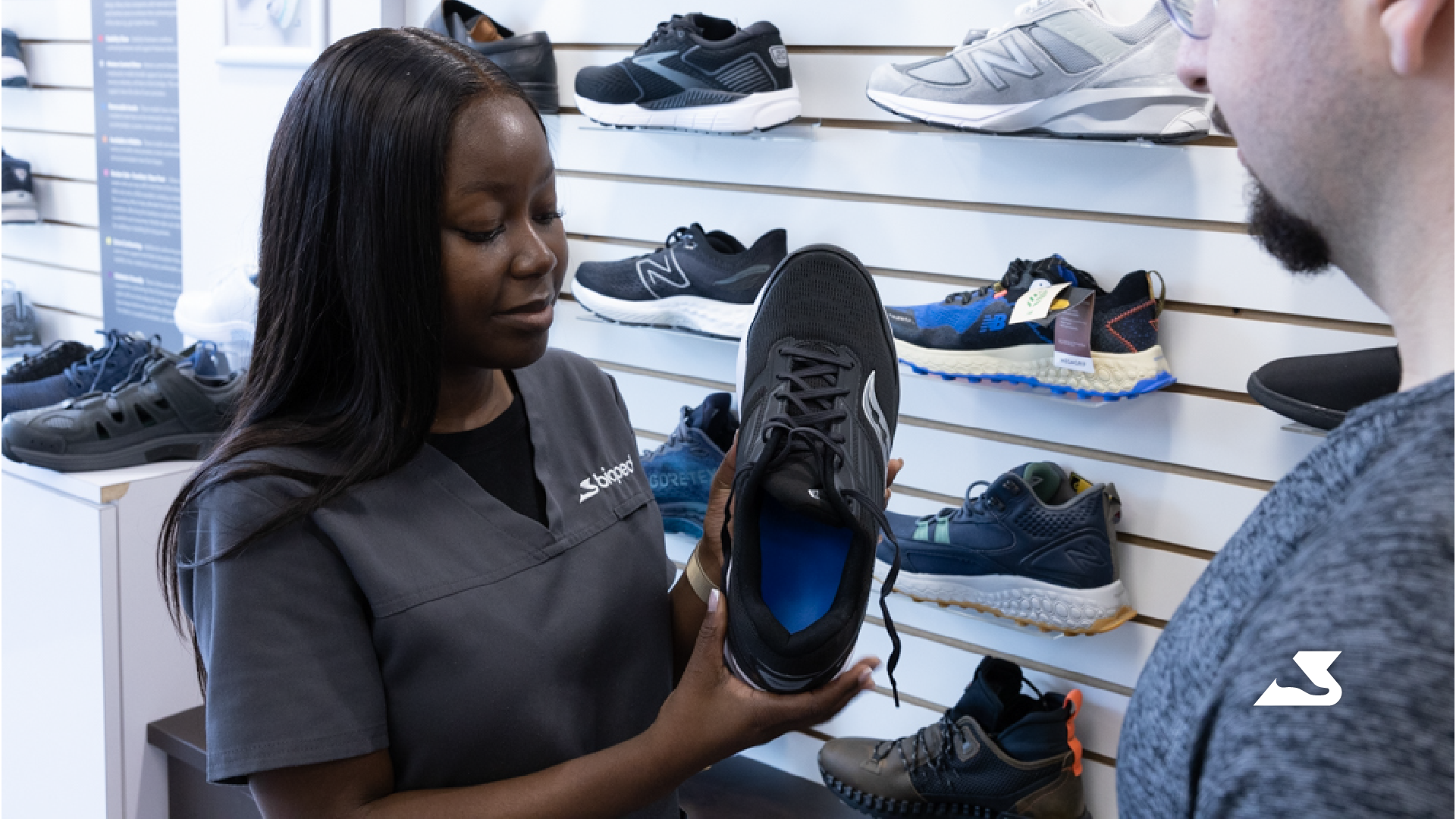
Wearing the right shoes to work can make all the difference when it comes to comfort and overall foot health. For many of us, a significant portion of our day is spent at work, and we may be required to be on our feet for extended periods. Choosing the right footwear can help you to feel comfortable throughout your day and optimize your overall foot health.
Have you ever taken your shoes off and been accosted by an offensive and pungent odour? Has that smell lingered in the hall closet long after you’ve removed your shoes? Smelly feet can cause embarrassment and social awkwardness. There are several reasons feet and shoes may become smelly.
A neuroma is a thickening of nerve tissue that can develop in various parts in the body. The most common neuroma in the foot is a Morton’s neuroma, which develops between the third and fourth toes in the ball of the foot.
Diabetes is a chronic health condition that affects the body’s ability to turn food into energy. After we eat, food is broken down into sugar and released into the bloodstream.
The short answer is, yes it can come back! Fungal infections can be difficult to eradicate, and because they are contagious, they can recur. The good news is there are steps you can take to lessen your chances of reinfection.
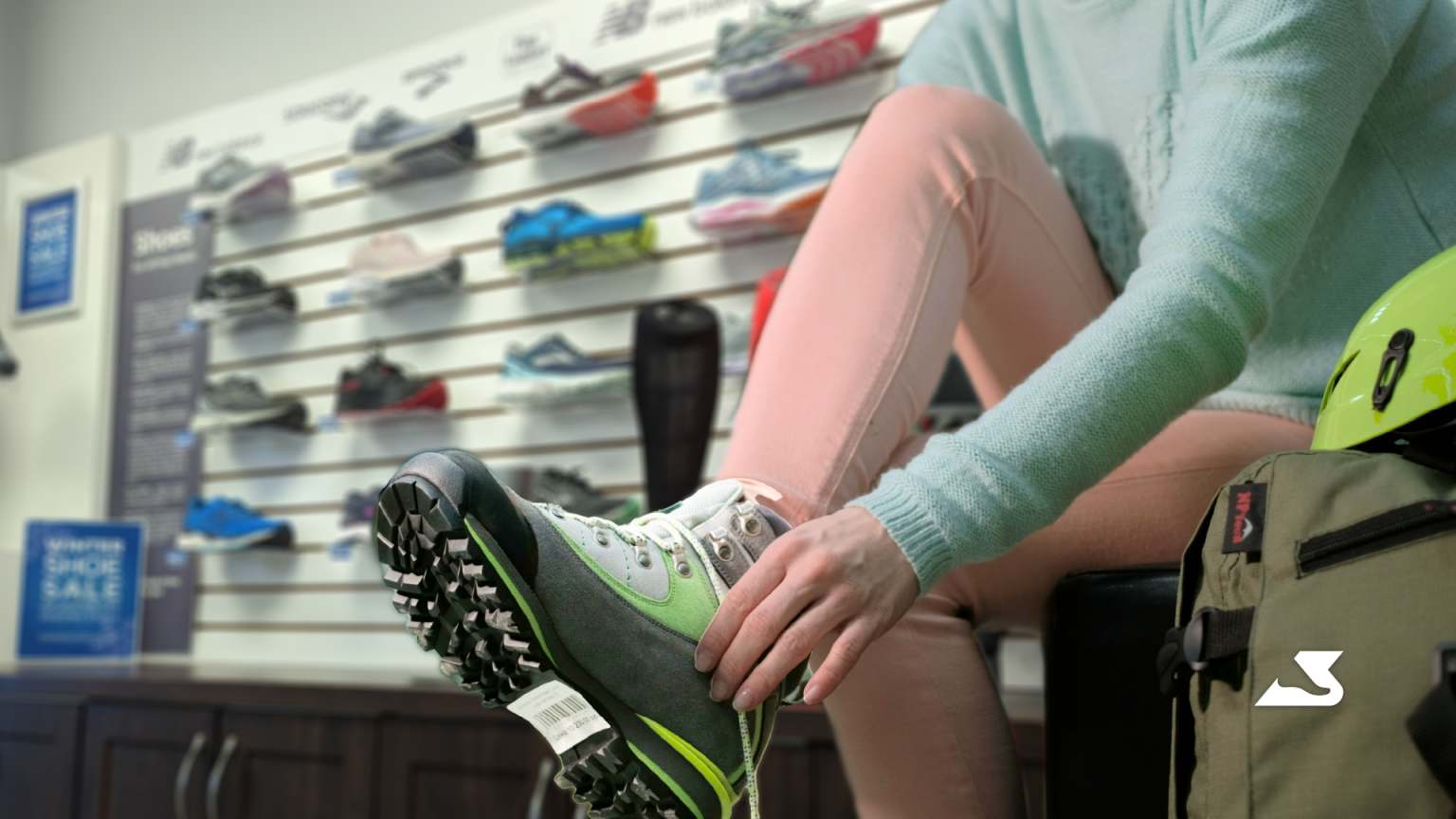
Nobody likes pain in the feet when they are out hiking and enjoying all the beauty that fall brings. Don’t let swelling continue to get in the way of pain-free hiking, read below to find out what you can do to help keep those legs feeling fresh.
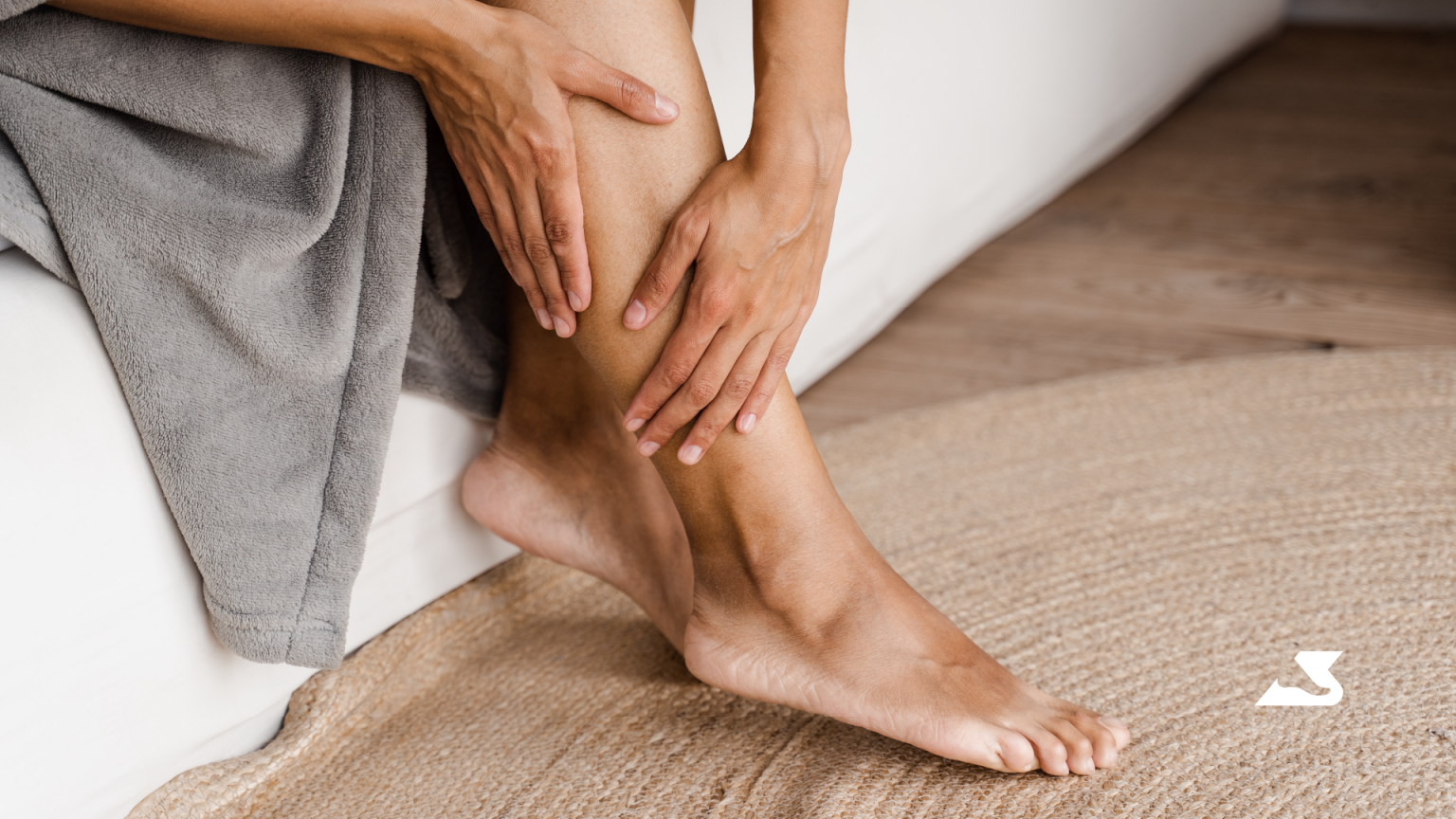
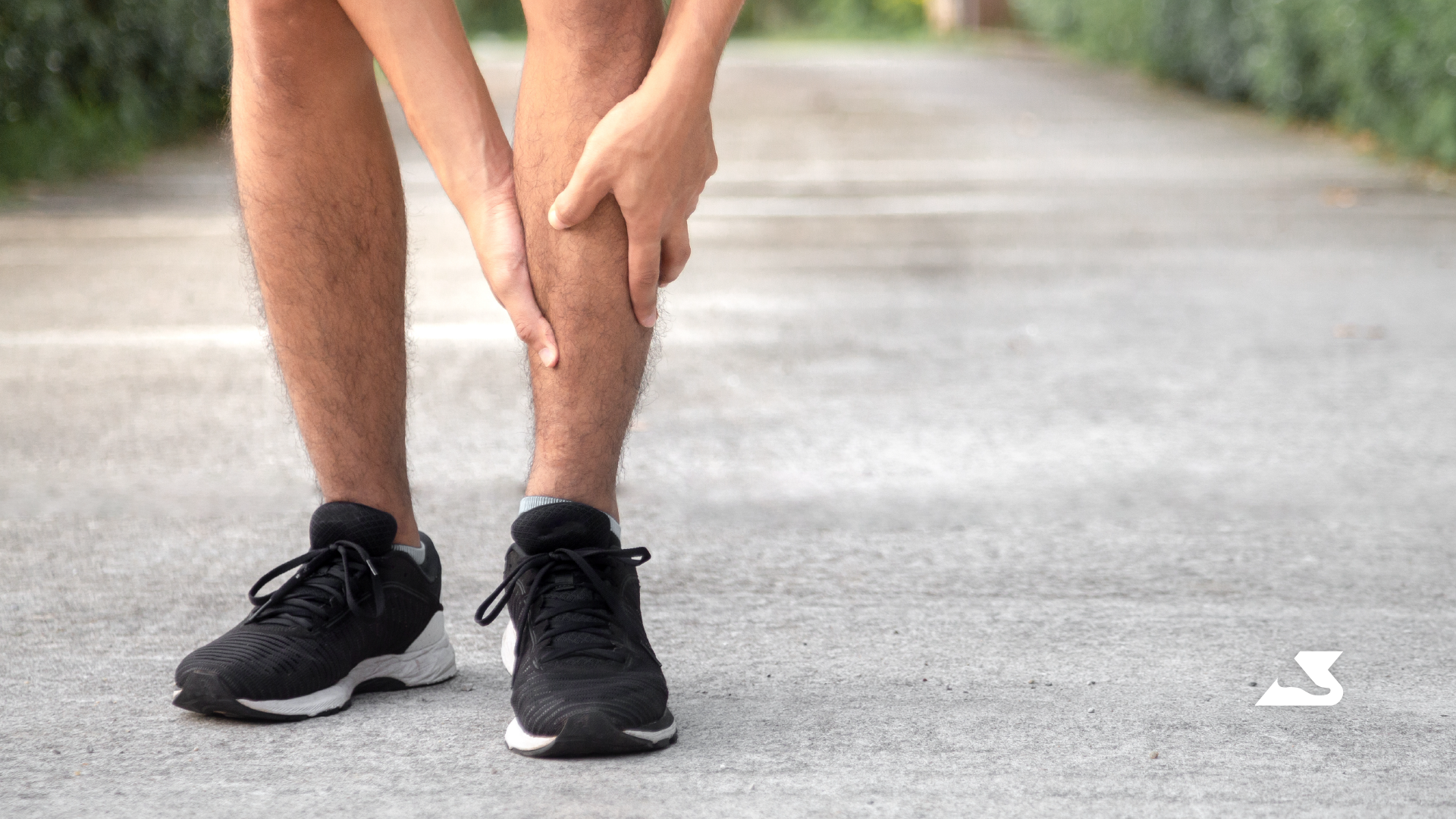
Shin splints are a common complaint among avid walkers, runners, and athletes. Combating the deep aches and sharp pains that stop us in our tracks, derailing our active lifestyles, can be challenging. Your local BioPed is here to help, with tips and tricks to manage and reduce shin splint occurrence and pain.