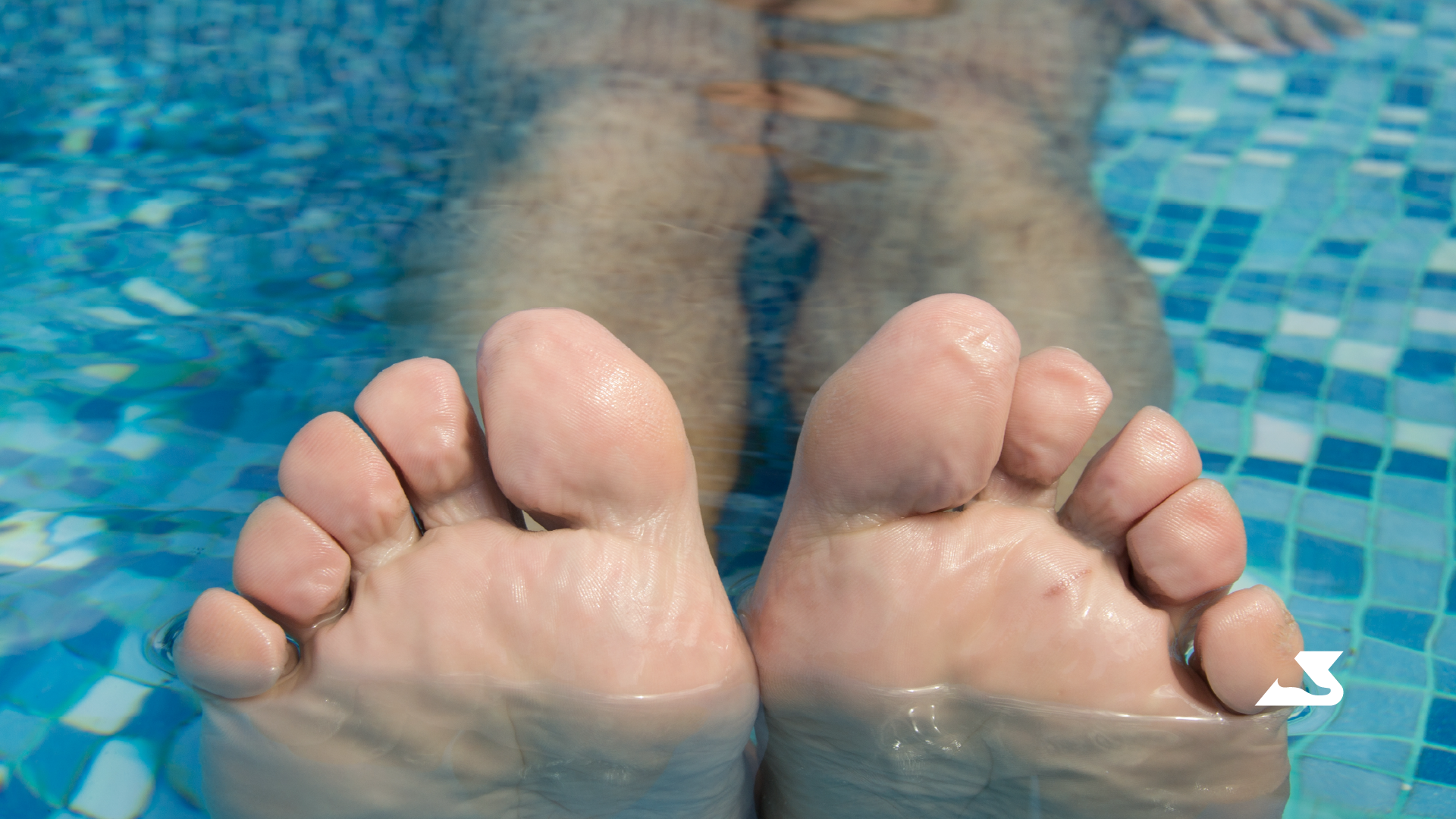
With the summer weather here, we get to spend more time in the swimming pool. Whether in the backyard or at the local community pool, the more time we spend in the water keeping cool, the more likely it becomes that we encounter swimmer’s toe.
When we walk, our feet must move and adapt in certain ways to lessen the risk for injury, pain and discomfort. To prepare for contacting ground, the foot arch must be higher or more supinated, making the foot a rigid lever for heel strike. As the body progresses through the gait cycle, the arch flattens slightly or pronates to adapt to uneven terrain and absorb shock from the ground.
Patients with diabetes frequently develop an intermittent or permanent loss of sensation (neuropathy) in their feet. Without the warning of discomfort or pain, pressures developed from poorly fitting footwear, particularly on the soles of the "diabetic foot" can result in an open ulcer
Christmas is fast approaching once again! As we enter the season of gift-giving, this is often a busy time of year with lots of running around. Shopping, cooking, tidying, and activities with our loved ones can certainly demand a lot of our feet. We’ve put together a list of 12 gifts of Christmas that are sure to keep you feeling comfy and cozy. Whether you’re looking to treat yourself or surprise a loved one, these gifts are the perfect choice for the holiday season.
Have you ever taken your shoes off and been accosted by an offensive and pungent odour? Has that smell lingered in the hall closet long after you’ve removed your shoes? Smelly feet can cause embarrassment and social awkwardness. There are several reasons feet and shoes may become smelly.
Have you ever taken your shoes off and been accosted by an offensive and pungent odour? Sweaty feet can lead to smelly feet, which can cause embarrassment and social awkwardness!
Our feet have over 250,000 sweat glands and on average, they perspire the equivalent of one cup of sweat per day. This moisture builds up, creating a breeding ground for microorganisms. In turn, these microorganisms, most commonly bacteria and fungi, consume dead skin cells, leading to waste production and resultant shoe odour. Odour can also be caused by components of our sweat.
Warts are caused by the Human Papilloma Virus (HPV), and they are contagious, meaning they can be spread from person to person. They can develop anywhere on the body including the sole of the foot.
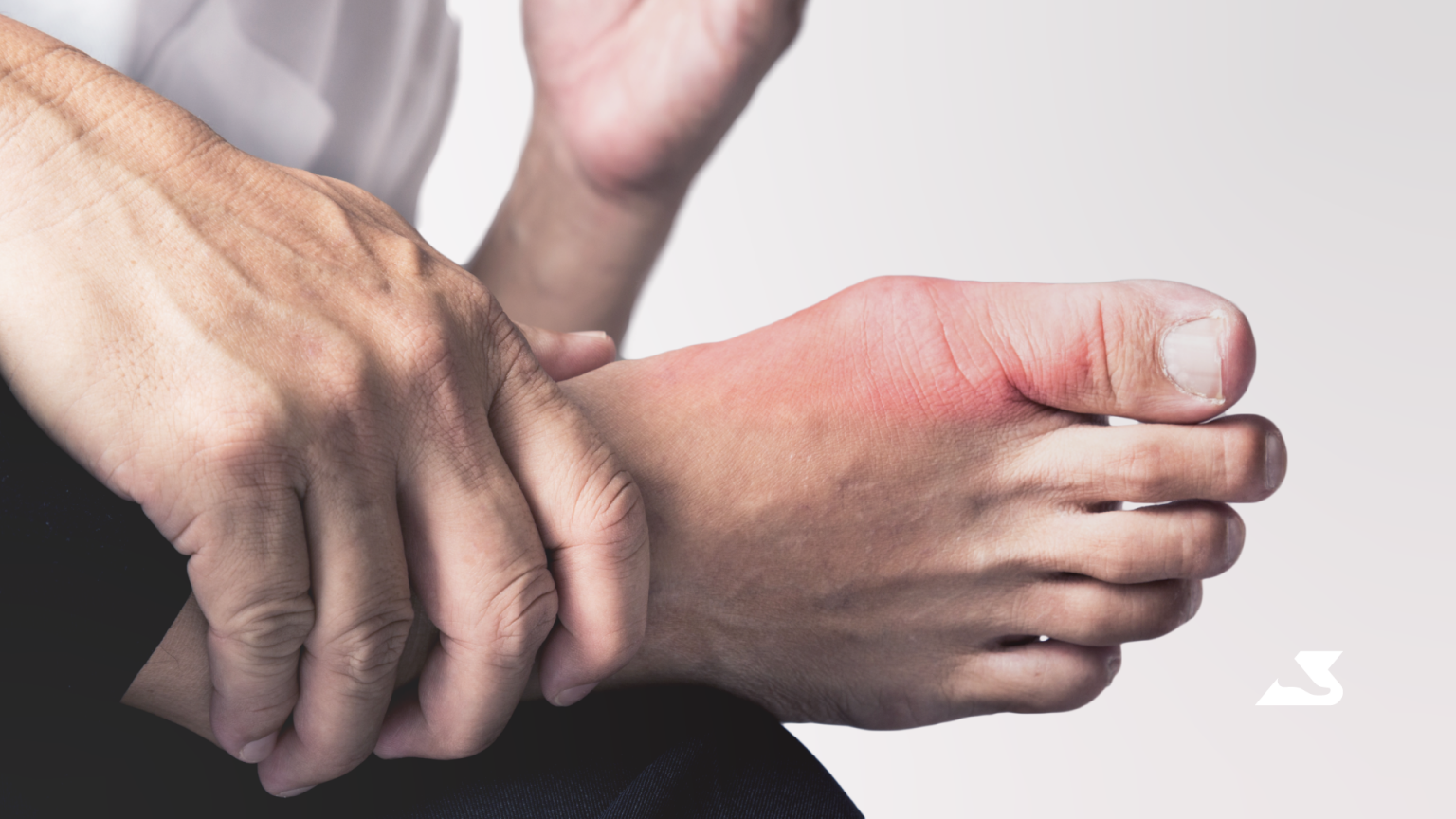
With 33 joints in the foot, one of them is bound to be bothersome at some point. Pain in the big toe joint can result from a number of conditions. Whether you are young or old, an athlete or sedentary, the big toe joint can become injured, arthritic, infected, jammed or stiff.
Programs such as OHIP (Ontario Health Insurance Plan), HIBC (Health Insurance British Columbia), and MSI (Medical Services Insurance) typically do not cover the items or services offered at BioPed for your foot health.
Toenail fungus is evident in the toenail itself, but the infection resides in the nail bed underneath the nail plate. The nail matrix or cells from which the nail grows is the part of the toenail that becomes infected with fungus.