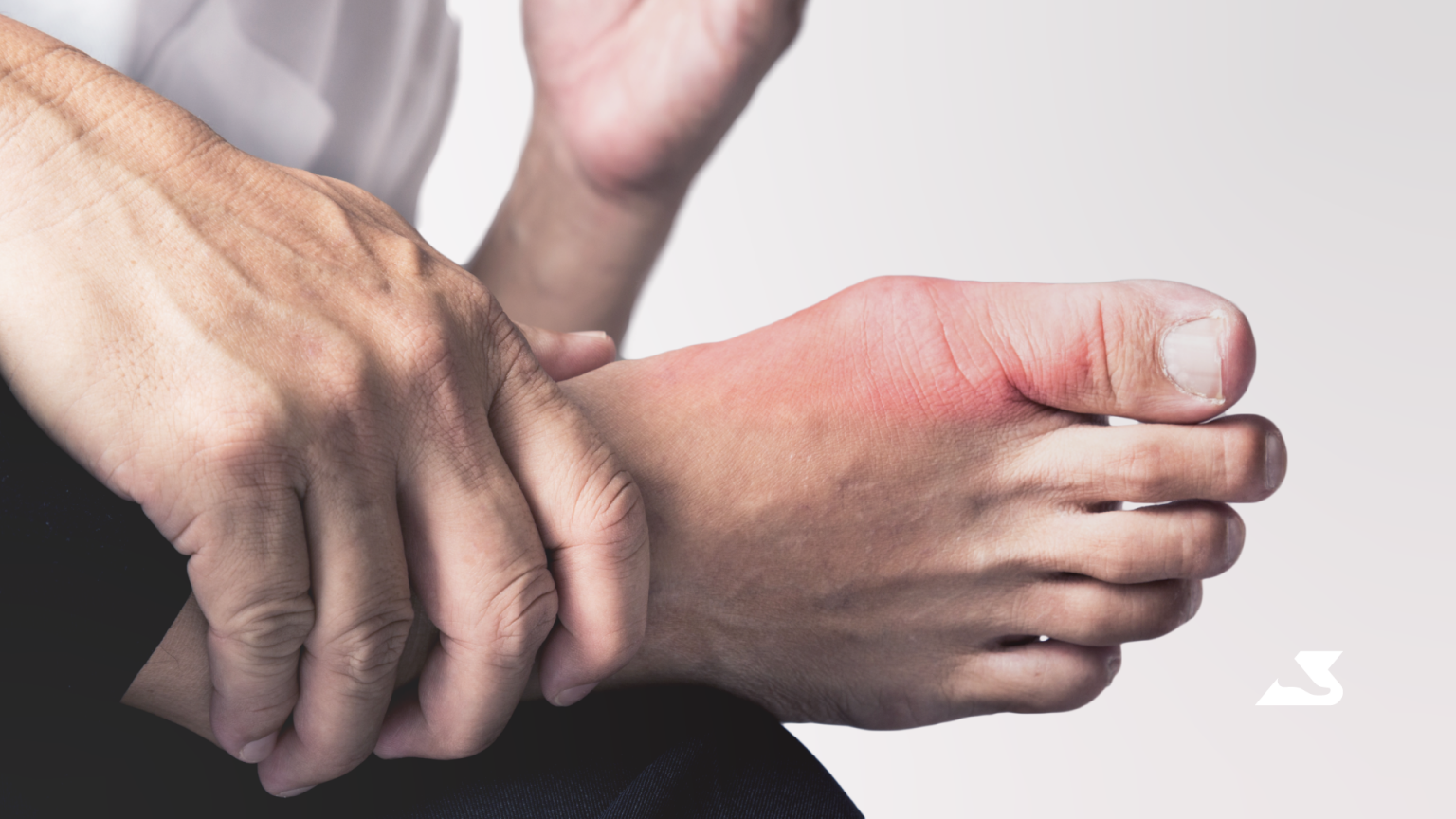
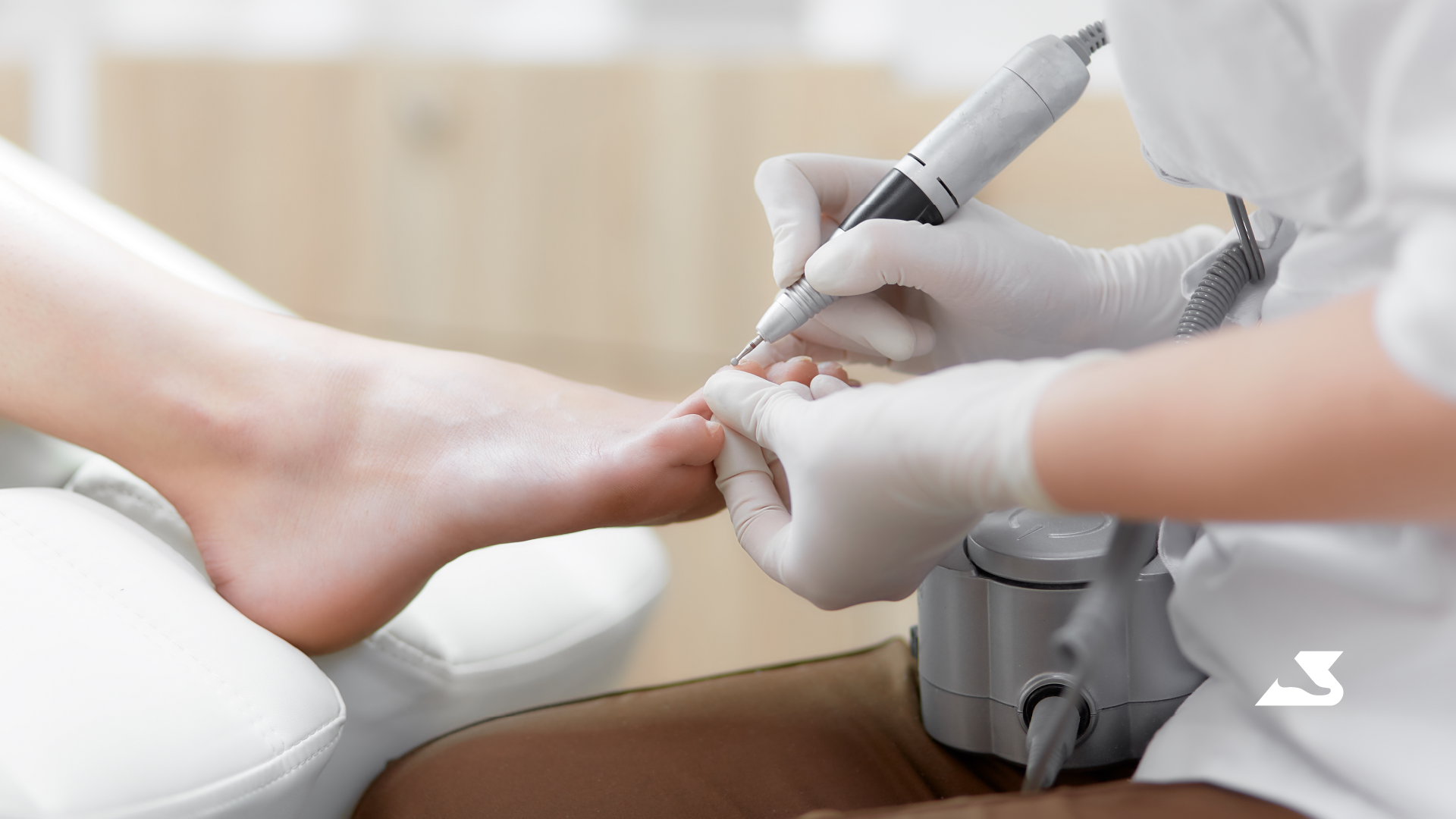
With 33 joints in the foot, one of them is bound to be bothersome at some point. Pain in the big toe joint can result from a number of conditions. Whether you are young or old, an athlete or sedentary, the big toe joint can become injured, arthritic, infected, jammed or stiff.
Nobody likes pain in the feet when they are out hiking and enjoying all the beauty that fall brings. Don’t let swelling continue to get in the way of pain-free hiking, read below to find out what you can do to help keep those legs feeling fresh.
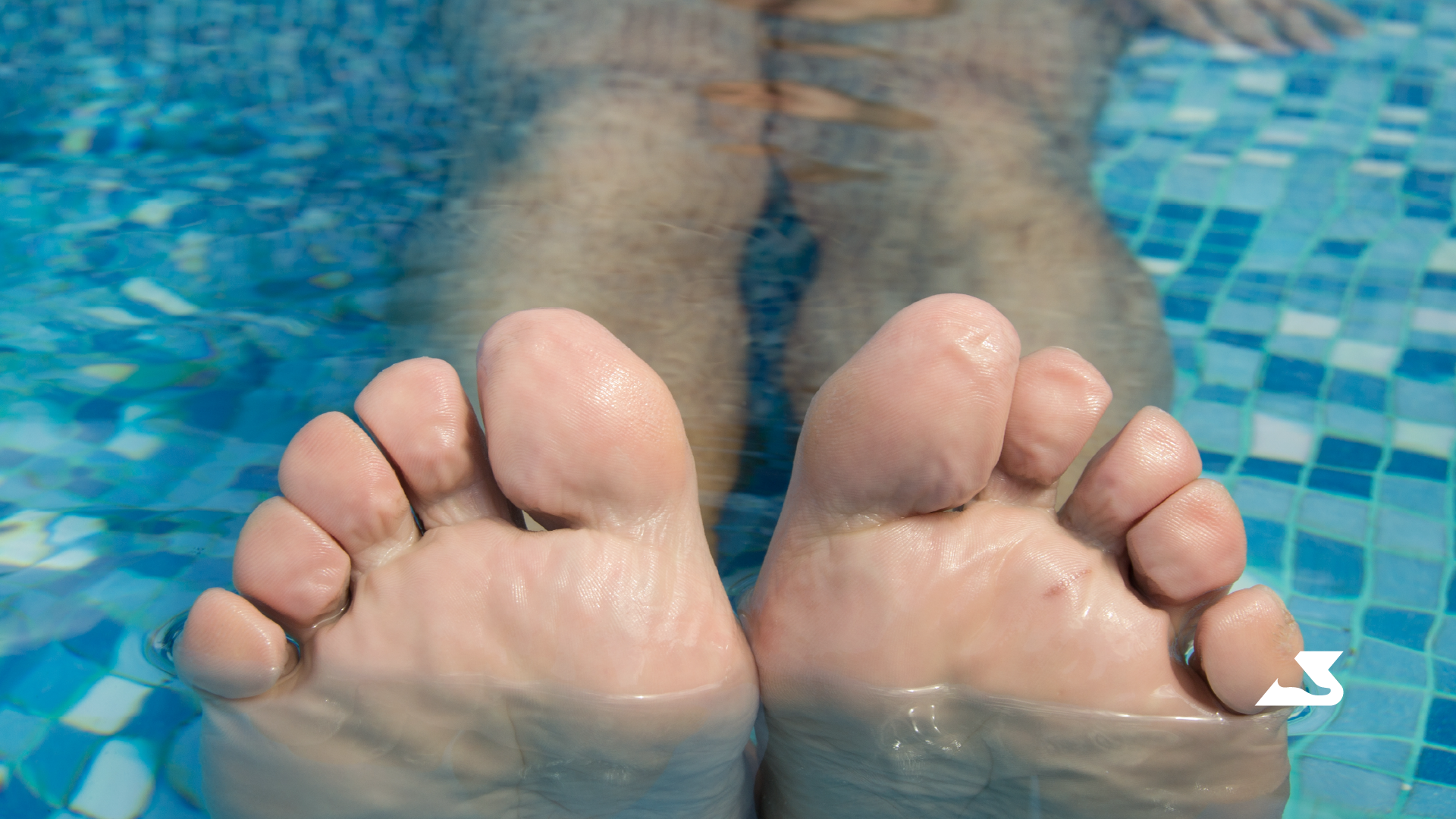
With the summer weather here, we get to spend more time in the swimming pool. Whether in the backyard or at the local community pool, the more time we spend in the water keeping cool, the more likely it becomes that we encounter swimmer’s toe.
Fungal toenails, also known as onychomycosis, occur due to an infection of the nail. It is similar to another fungal infections of the foot, such as Athlete’s foot, although they differ in their location and treatment protocol. It is vital to understand these differences when preventing and attending to fungal toenails.
Our feet carry us around day-to-day and are therefore exposed to small and large objects alike. Stepping on something sharp like glass, can pose a serious risk to your health and wellbeing. Depending on the size of the glass shard and how deeply it has embedded itself into the skin and underlying tissues, the injury could be a minor or major issue.
When standing, the body is a closed kinetic chain, meaning what happens in the feet can affect the ankles, knees, hips and back. If the feet are abnormally positioned or their alignment is off, the rest of the body could suffer.
Don’t let hammertoes and corns get in the way of enjoying your activities and doing what you love. Read below to find out why this is occurring and what to look for when shopping for your next shoe!
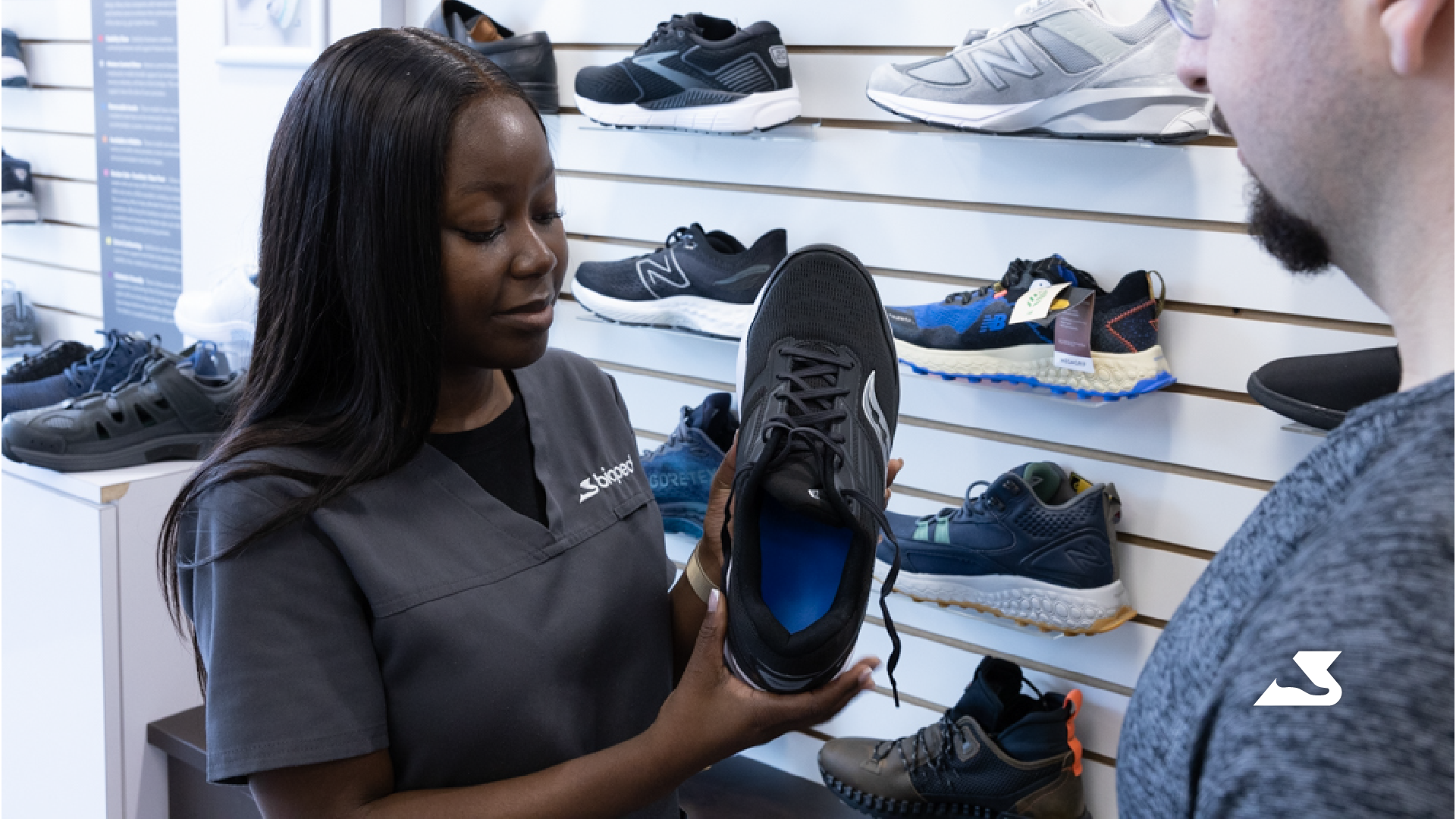
Wearing the right shoes to work can make all the difference when it comes to comfort and overall foot health. For many of us, a significant portion of our day is spent at work, and we may be required to be on our feet for extended periods. Choosing the right footwear can help you to feel comfortable throughout your day and optimize your overall foot health.