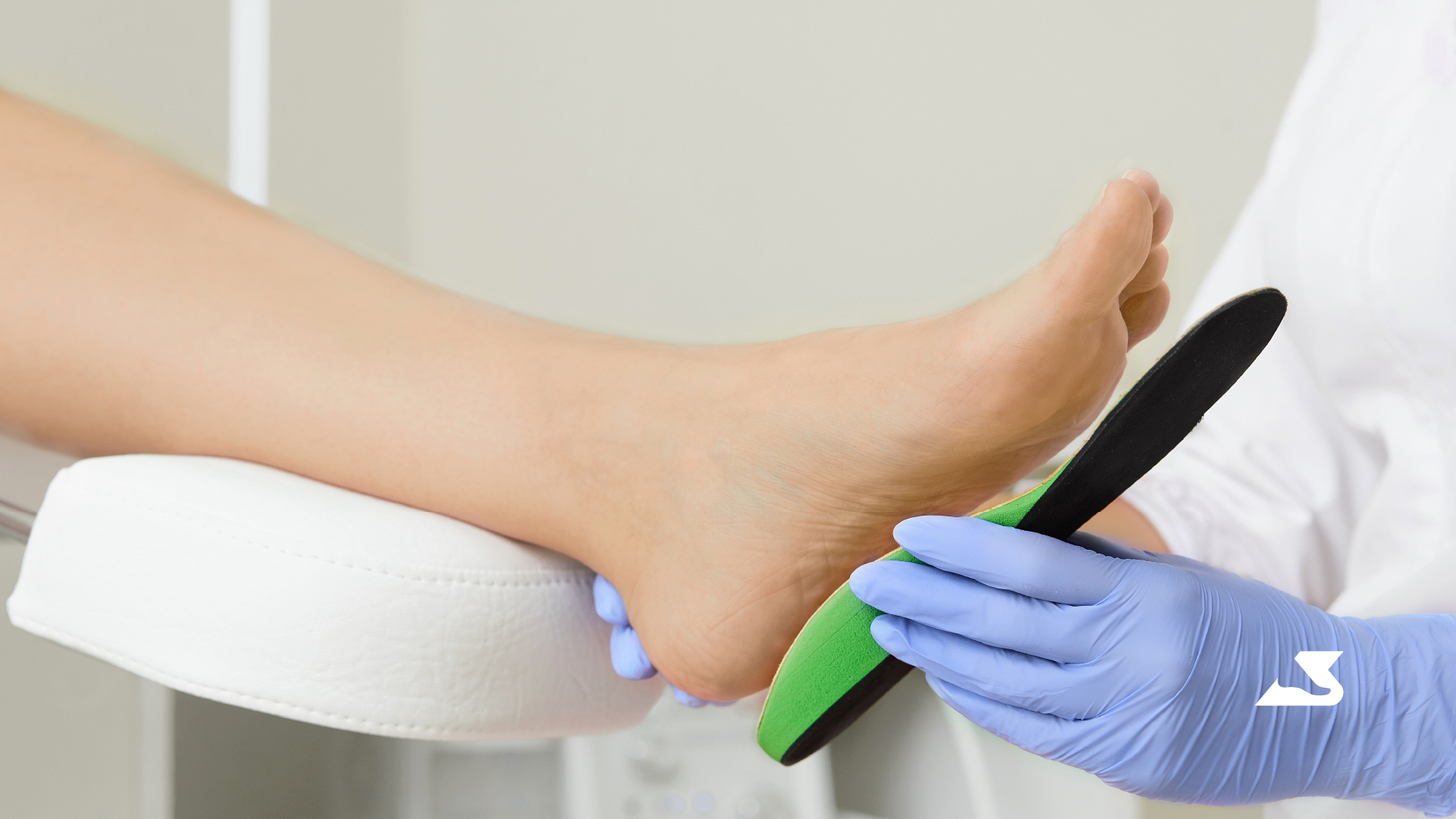
If you have been dealing with persistent foot, knee, hip or back pain but can’t pinpoint the cause, your feet might be the culprit. Having flat feet might put extra stress on your lower limbs and affect how you move.
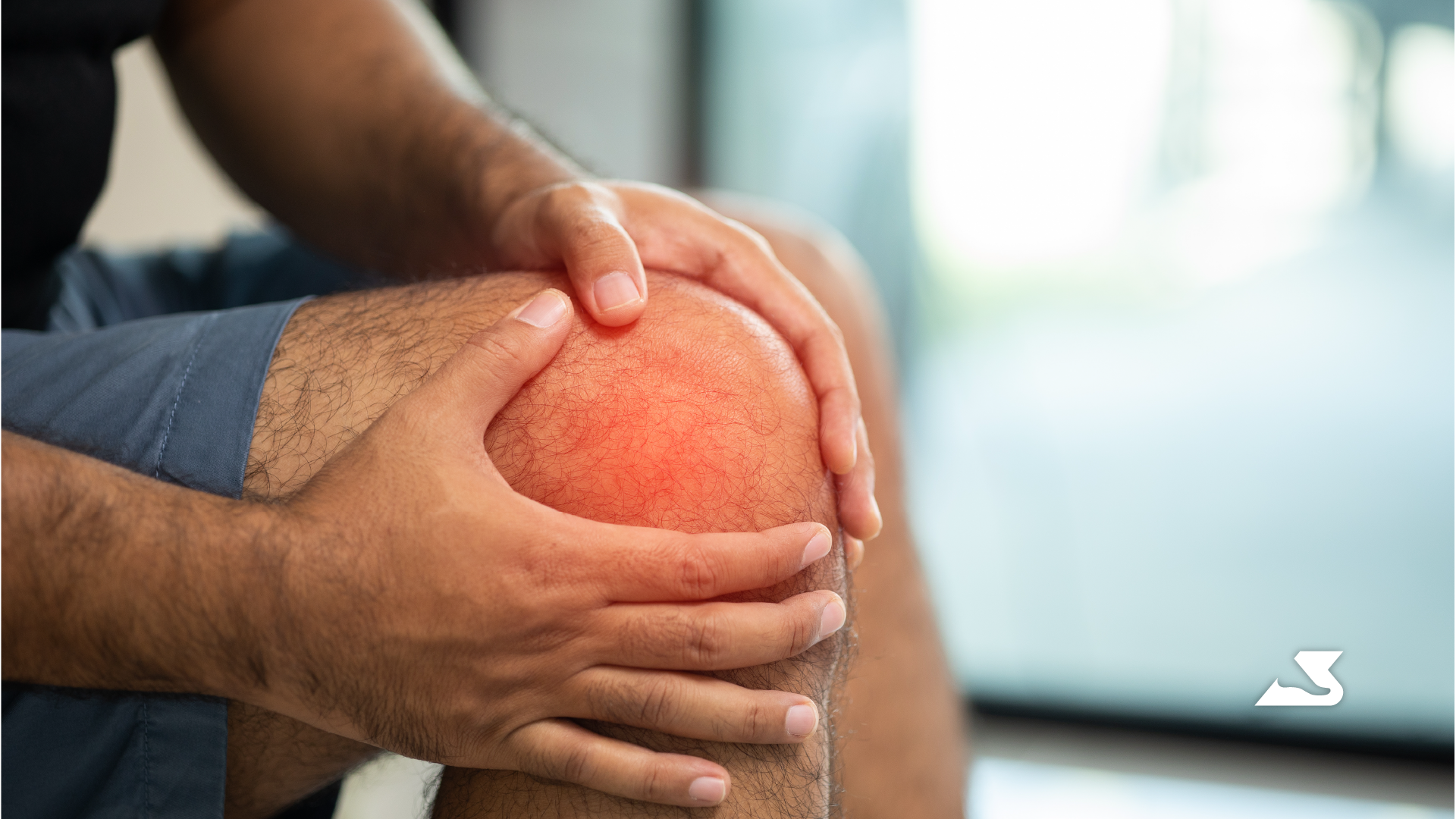
Knee arthritis is a common condition that affects millions of people worldwide. Often thought of as a natural part of aging, osteoarthritis is more than just “wear and tear” on your joints. It’s a complex condition involving joint inflammation, leading to pain, swelling, and stiffness. While knee oseoarthritis can make everyday activities challenging, there are effective ways to manage symptoms and improve your quality of life.
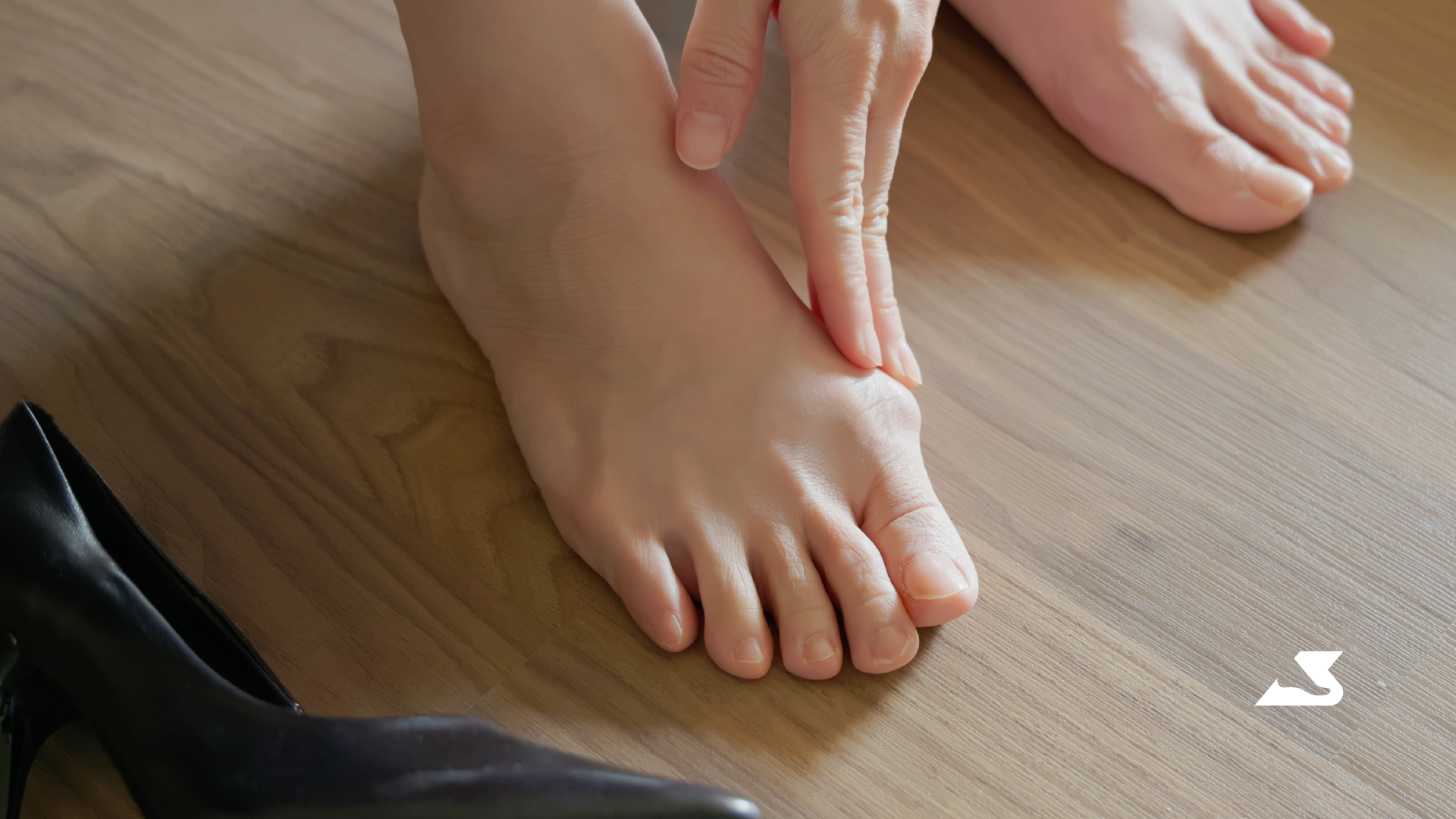
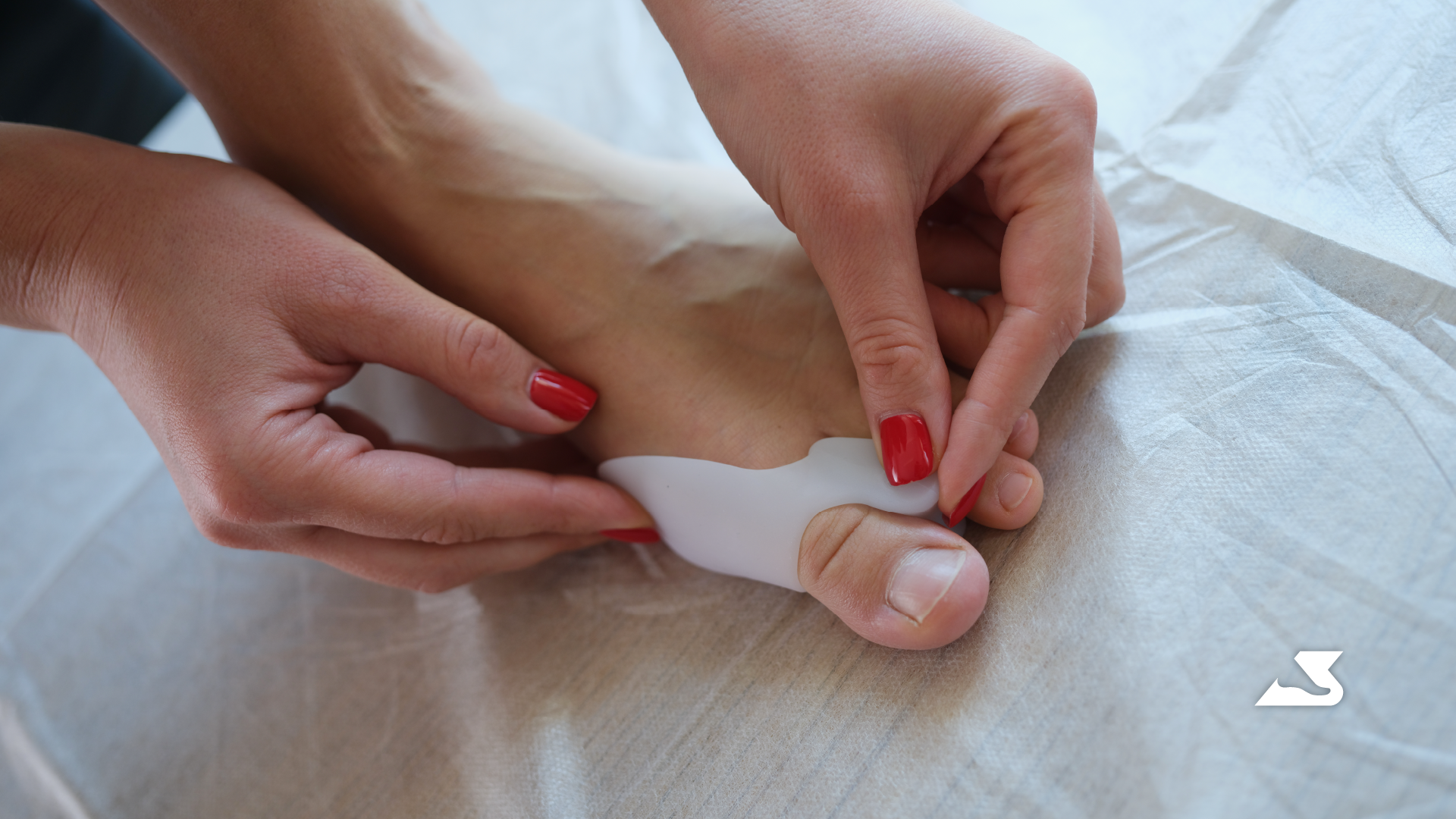
If you've ever noticed a small bump forming around your big toe, you might be asking yourself, “What is this? And will it get worse over time?” That bump could be a bunion, which is a very common foot condition. It often starts as a minor bump; however they often become painful over time if left unmanaged and can lead to mobility challenges. Understanding how bunions progress, and how to manage them, can make a big difference in managing your comfort and overall foot health.
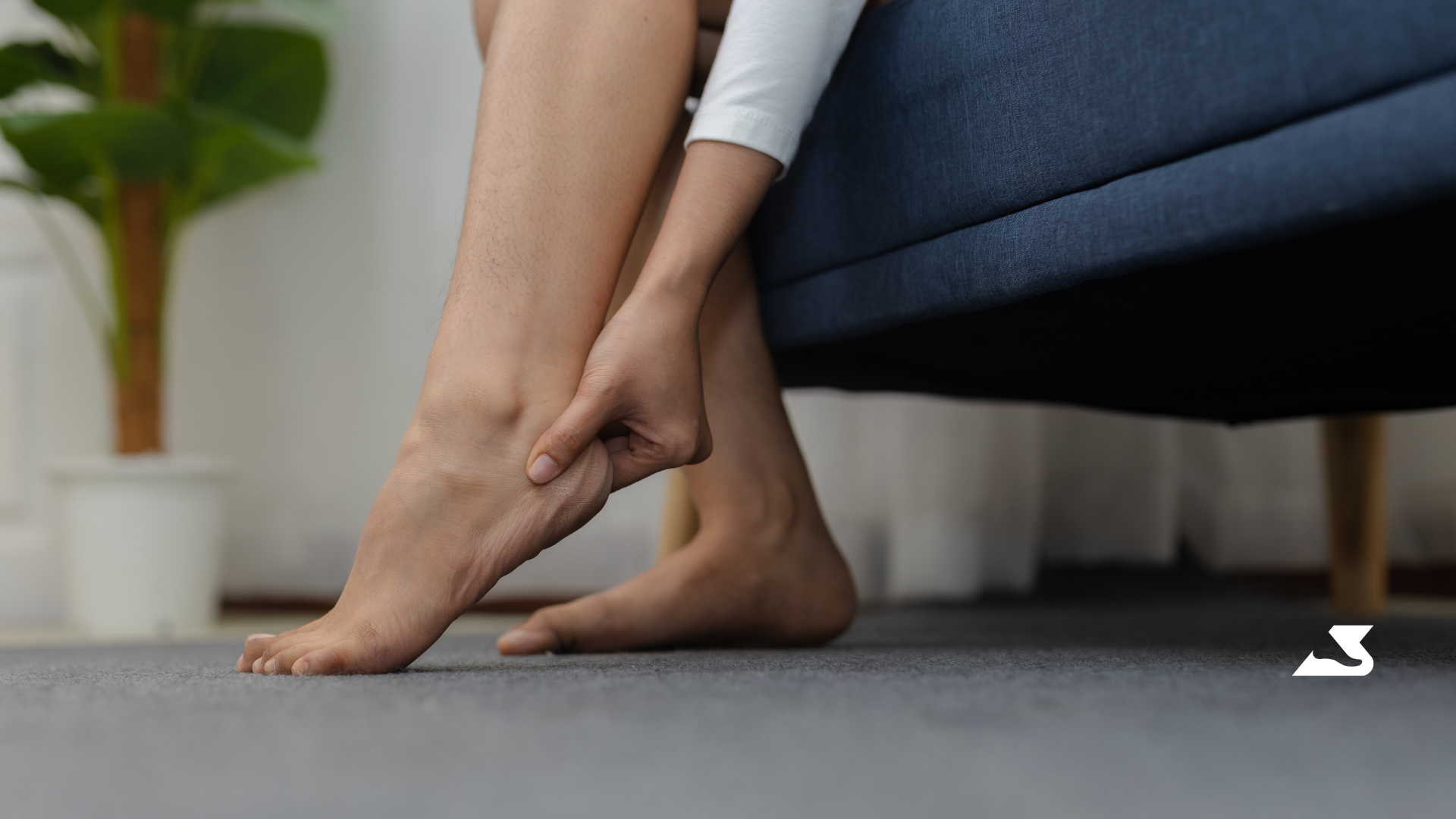
Every single day your feet work tirelessly for you, performing many different tasks - they absorb the impact of thousands of steps, support our entire body weight, and balance us through complex movements. Developing foot pain can be debilitating, and affect your daily life.
Once arthritis develops in the toes, it cannot be reversed. If treated appropriately, the symptoms of toe arthritis can be managed well and can slow down the progression of the arthritic process. There’s no reason for it to stop you from doing the activities you want to do and love!
When you have foot pain, it can be a relief knowing you have insurance coverage to help with the cost of keeping your feet happy and healthy. However, insurance plans can be confusing and difficult to navigate, especially if it’s all new to you! We’ve got you covered, with answers to some of your most frequently asked insurance coverage questions.
Spending most of the day standing or walking can do more than leave you tired; it can lead to chronic foot and leg pain, joint issues, and even circulation problems. Ignoring early signs of discomfort can result in long-term health issues. Understanding what causes this pain, and how to treat it, is the first step toward feeling better.
Pain in the feet can hit at any time. Whether it’s while scoring your next goal or carving it out on the slopes, we’ve got your feet covered with comfort in mind!