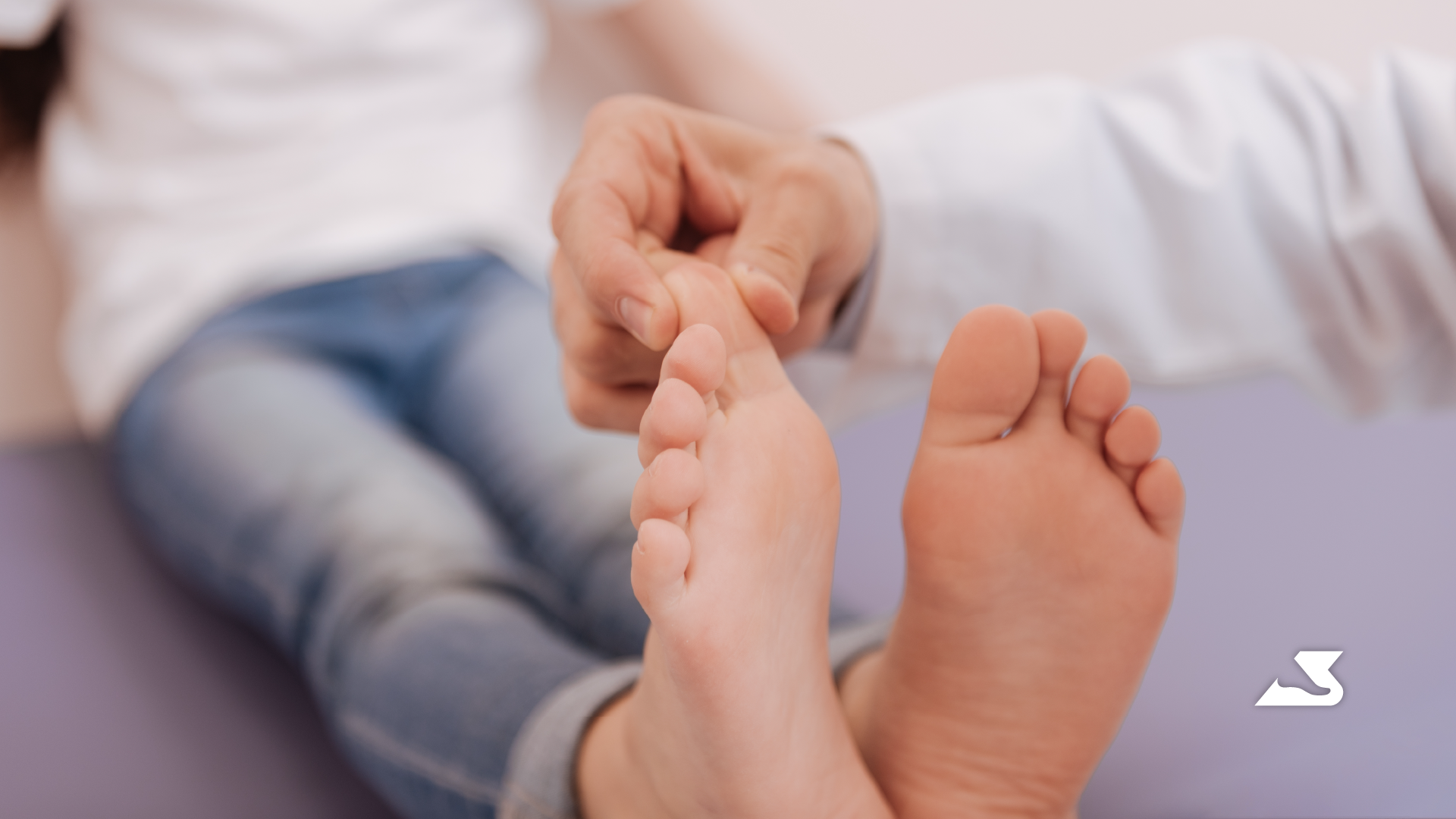
Plantar fasciitis is often described as a sharp, stabbing pain in the heel or arch, especially first thing in the morning or after sitting for a while. The pain occurs when the plantar fascia (soft tissue of the foot) becomes inflamed and overstressed.
A neuroma is a thickening of nerve tissue that can develop in various parts in the body. The most common neuroma in the foot is a Morton’s neuroma, which develops between the third and fourth toes in the ball of the foot.
You probably recall the childhood song – “the foot bone’s connected to the ankle bone, the ankle bone’s connected to the leg bone…” While this may have been a broad simplification, there is great truth in this elementary school tune. The human body is like an integrated chain reaction.
Programs such as OHIP (Ontario Health Insurance Plan), HIBC (Health Insurance British Columbia), and MSI (Medical Services Insurance) typically do not cover the items or services offered at BioPed for your foot health.
Foot pain can be debilitating! Where you go for help can mean the difference between living with foot pain (which can also include leg, hip, and back pain), and finding ongoing relief so you can maintain a healthy lifestyle.
Pain in the feet can hit at any time. Whether it’s while scoring your next goal or carving it out on the slopes, we’ve got your feet covered with comfort in mind!
BioPed’s multidisciplinary team of Certified Pedorthists, Footcare Nurses and Registered Chiropodists enjoy providing care for new clients and for those they have known for years
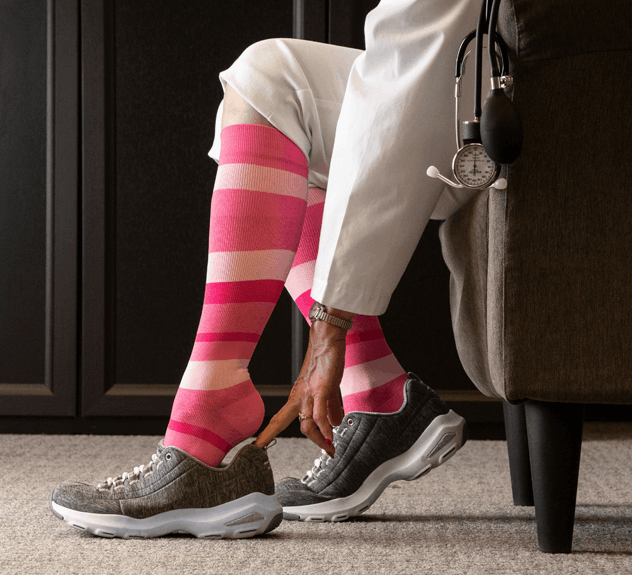
Do your legs ever feel achy, tired, fatigued, heavy or swollen? If they do, you may have a condition known as chronic venous insufficiency and you could benefit from compression therapy.
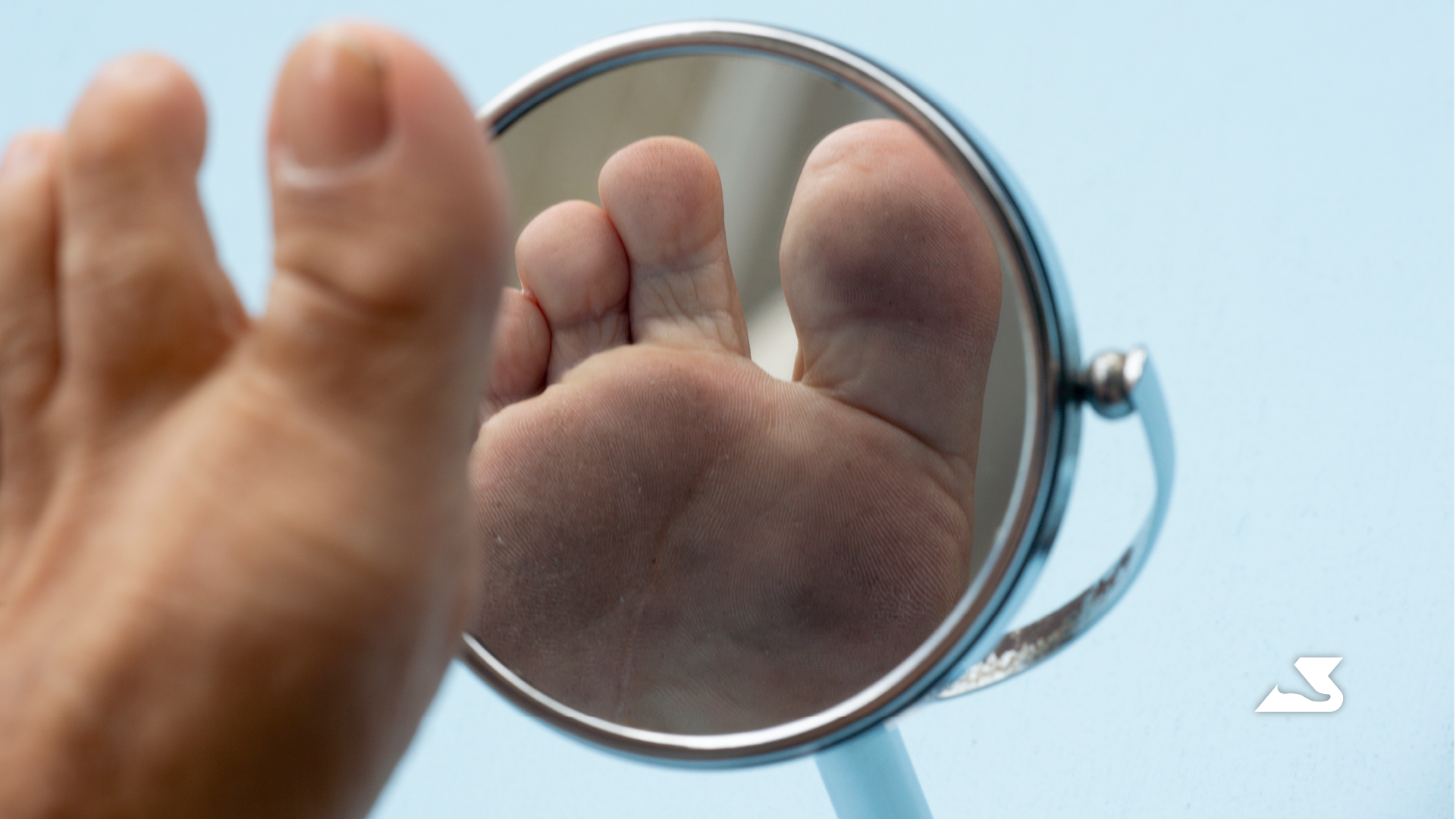
Our feet carry us all day, every day, through life, yet we often neglect their care until they demand our attention. This May, let's prioritize foot health and make strides towards happier, healthier feet.