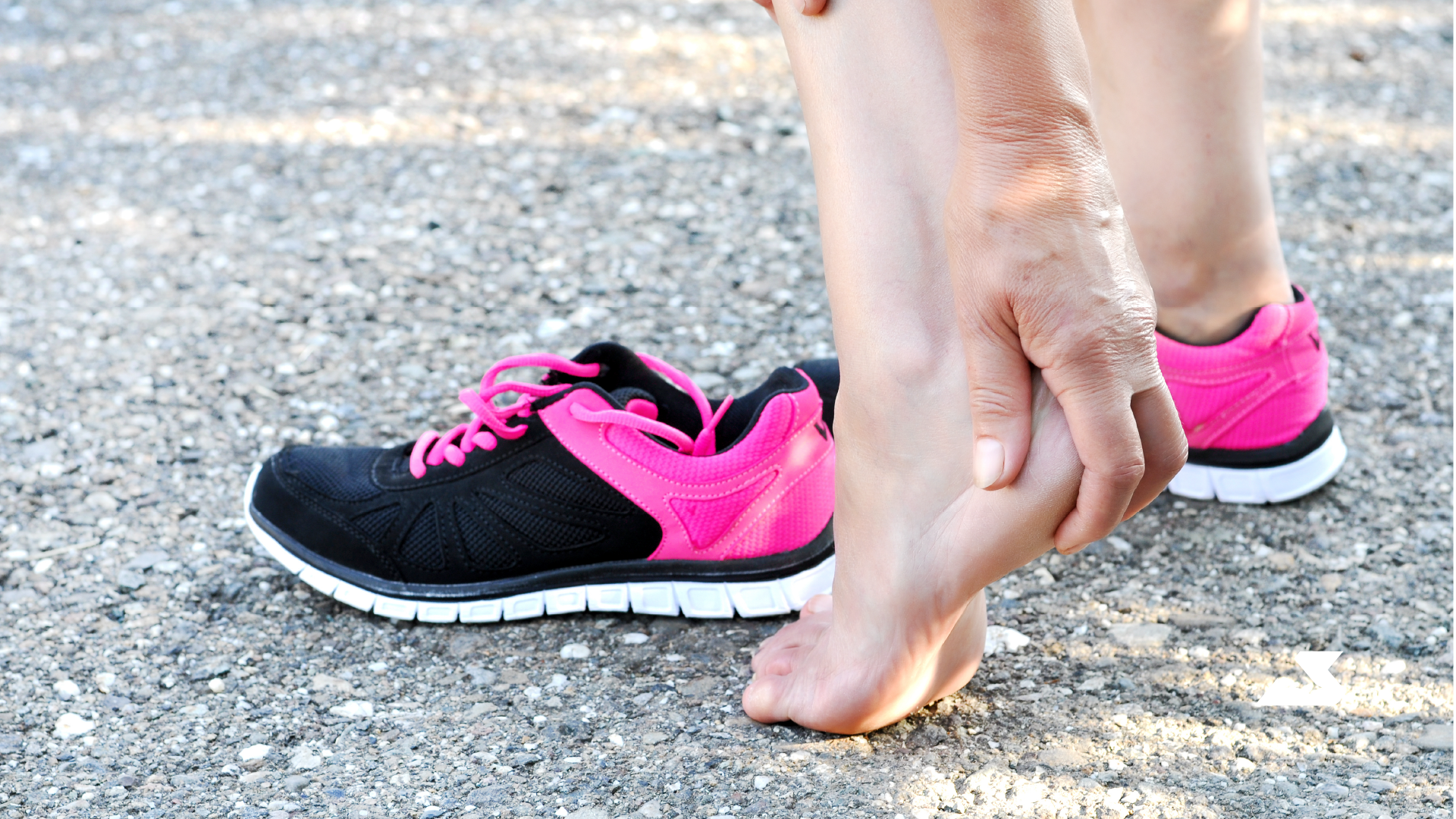
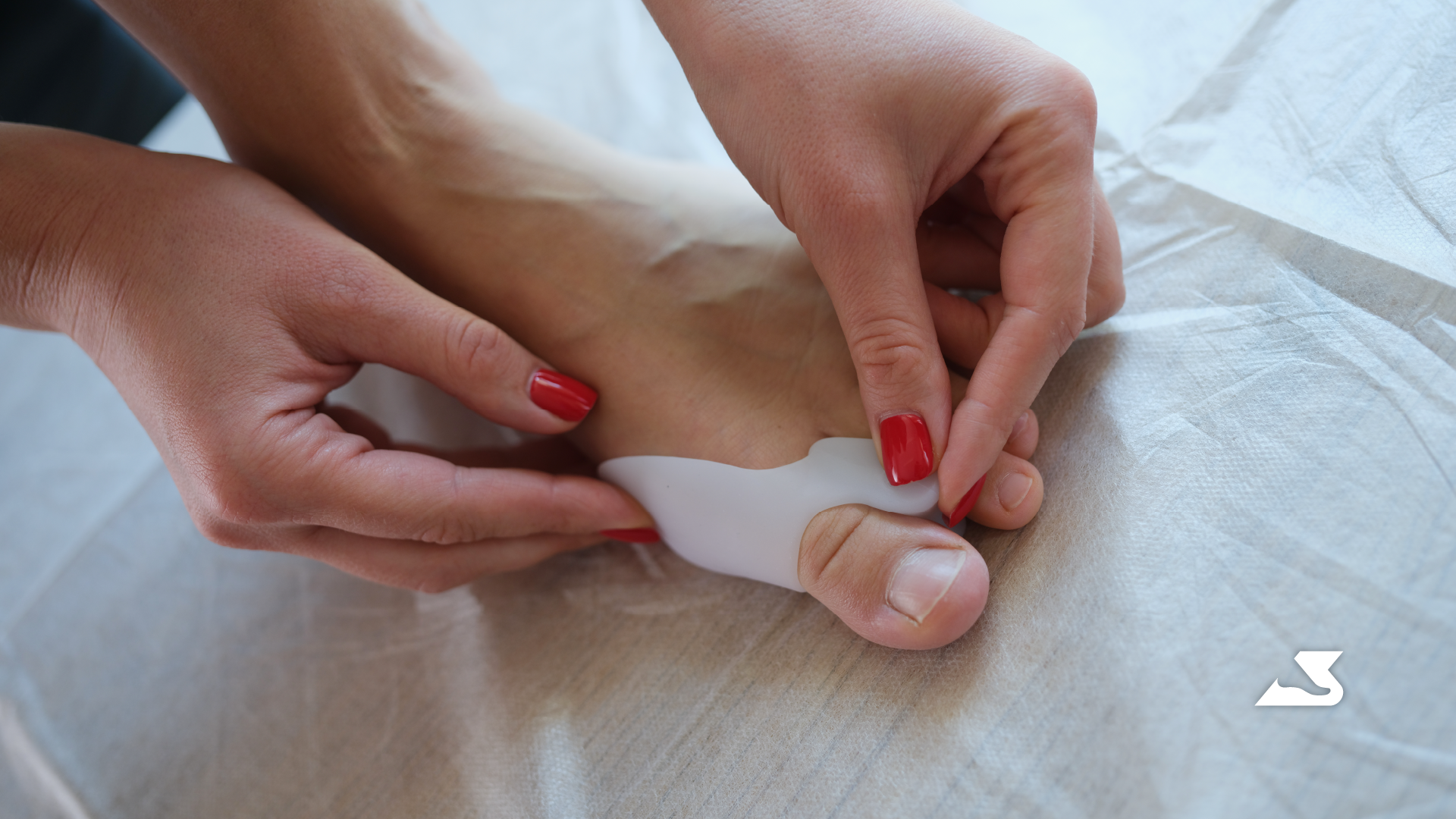
Plantar fasciitis is often described as a sharp, stabbing pain in the heel or arch, especially first thing in the morning or after sitting for a while. The pain occurs when the plantar fascia (soft tissue of the foot) becomes inflamed and overstressed.
It is definitely something worth considering! Spider veins, also known as telangiectasias, are damaged, visible blood vessels just beneath your skin’s surface.
Foot pain is more common than you might think—and it often shows up in your heel, the ball of your foot, or around your toes. These small areas bear a lot of pressure every day. When something’s off, even just standing or walking around the house can become painful. The good news? With the right combination of custom orthotics and properly fitted shoes, you can find relief and help prevent things from getting worse.
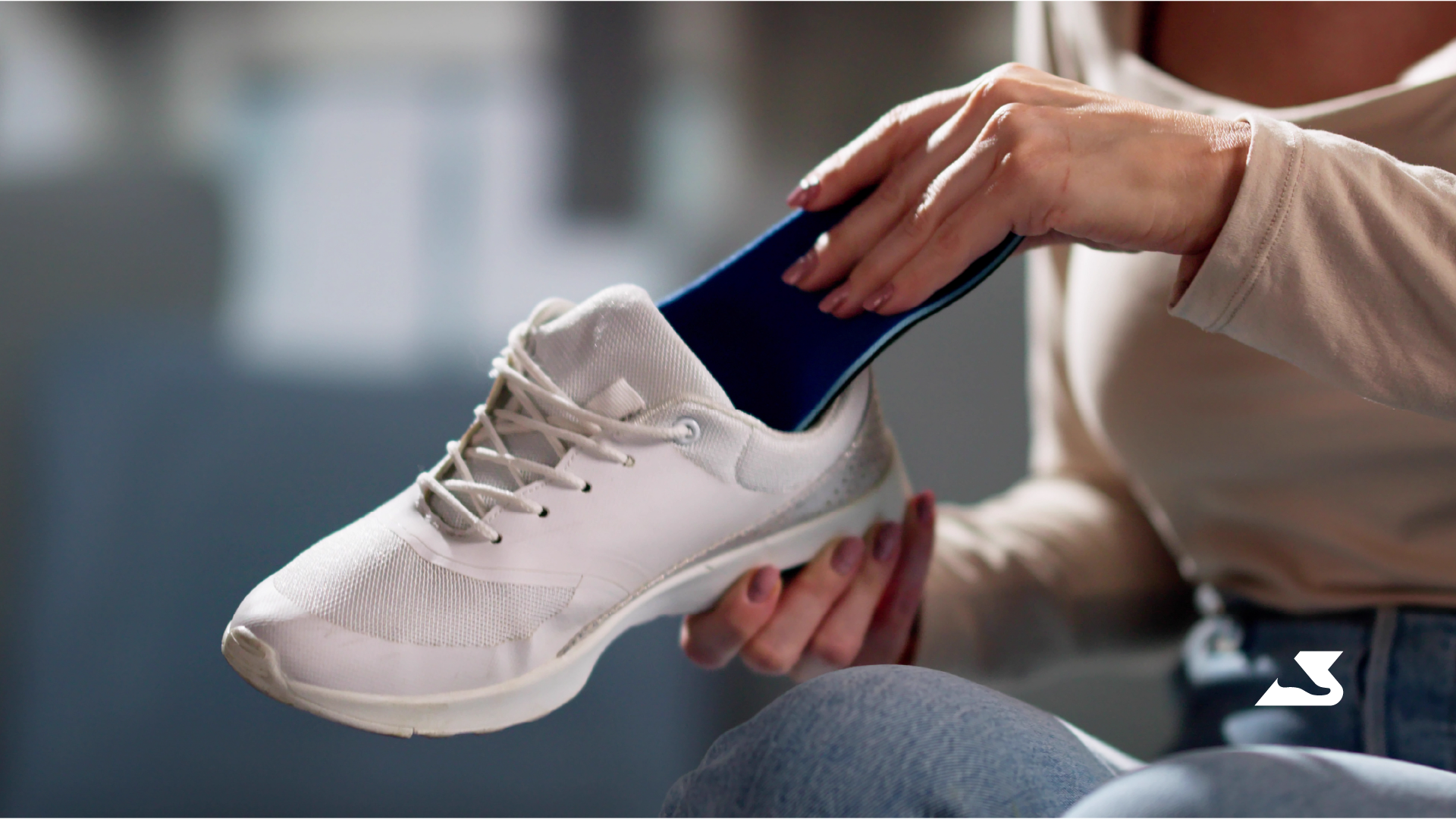
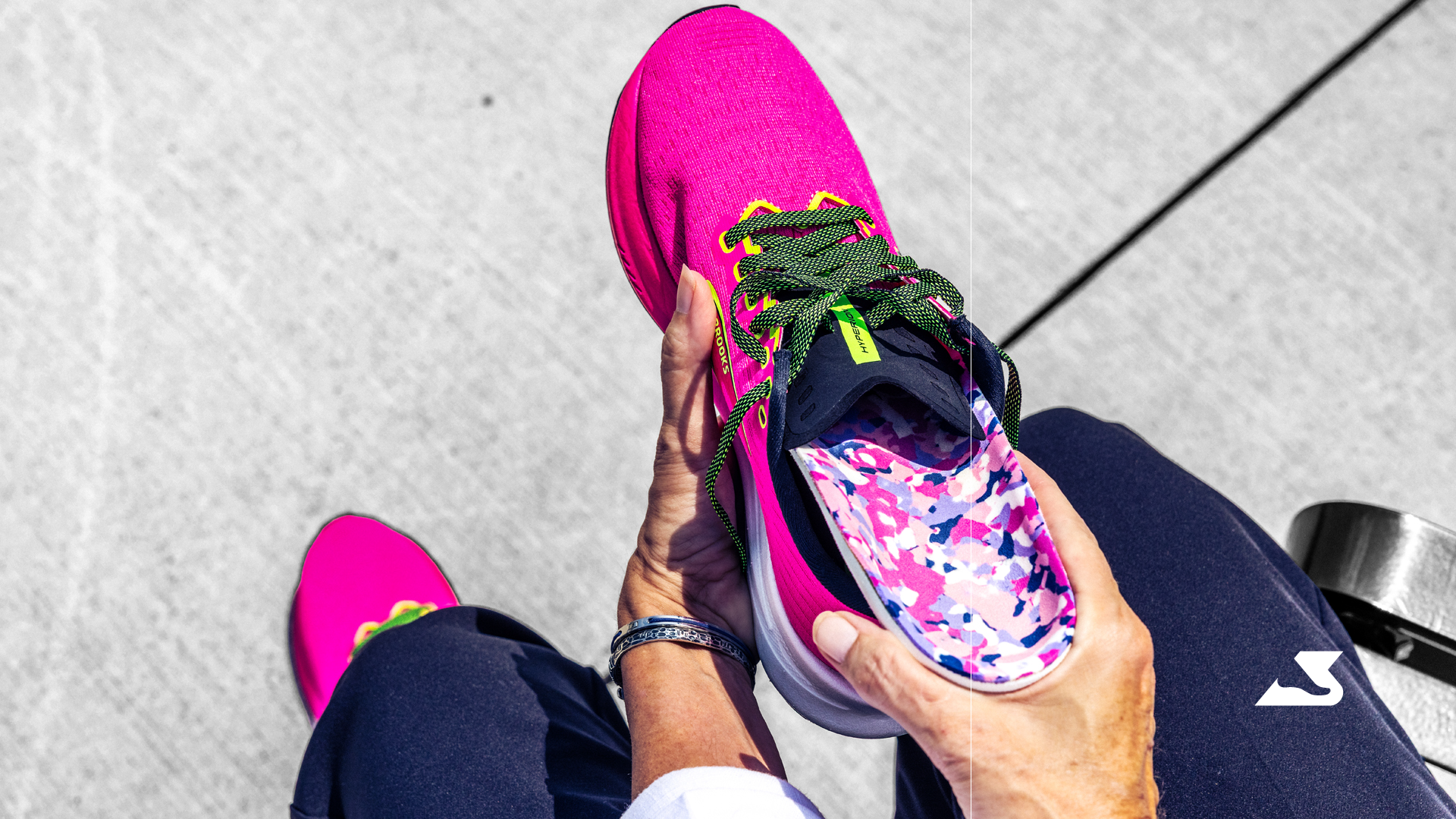
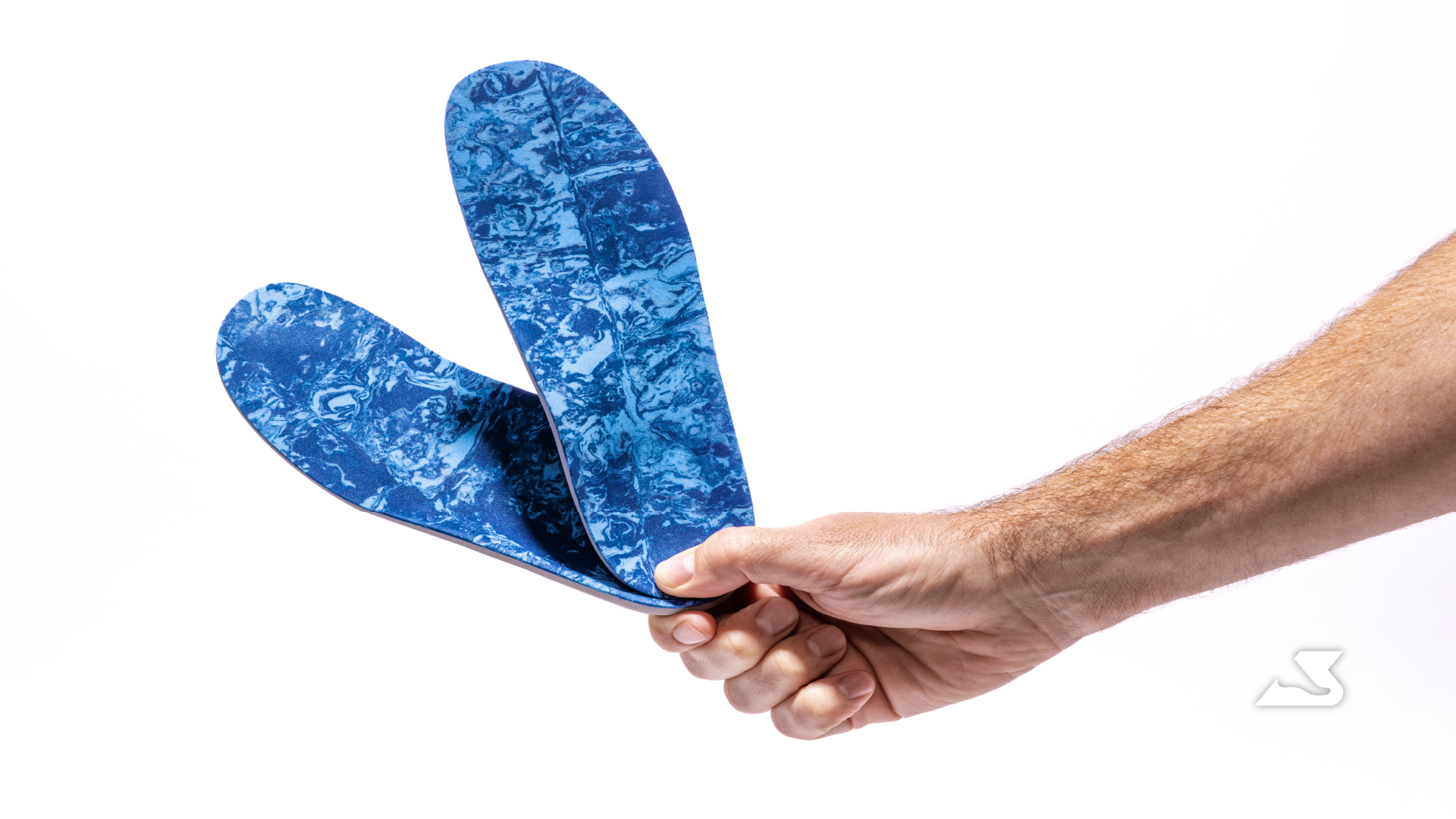
Standing, walking, and moving through your day all rely on a complex relationship between your feet, muscles, and joints. When your feet are not supported properly, it can affect comfort and stability. While orthotics are often recommended as part of a broader plan to support your foot function, understanding how they work can help you make informed decisions about your foot health.
Ankle pain can be incredibly frustrating! Whether it is from an old injury, wear and tear from everyday activities or sprains, it can limit how much we move and enjoy life. There is good news, ankle pain can be managed and one of the best options is through ankle bracing.
Vitamin B12 is an essential nutrient, primarily found in animal products, that plays a key role in maintaining nerve function, producing red blood cells, and synthesizing DNA. A deficiency in B12 can lead to a variety of health issues, many of which significantly impact the lower limbs.
Pain in the feet can hit at any time. Whether it’s while scoring your next goal or carving it out on the slopes, we’ve got your feet covered with comfort in mind!
If you’ve ever experienced foot pain, you know it can be frustrating and debilitating. Whether it’s a dull ache or sharp discomfort, foot pain can affect your mobility and overall well-being. One of the best ways to manage foot pain is wearing foot orthotics, which can provide the support and realignment your feet may need. With so many options available, how do you know which orthotic is best for you?
Once arthritis develops in the toes, it cannot be reversed. If treated appropriately, the symptoms of toe arthritis can be managed well and can slow down the progression of the arthritic process. There’s no reason for it to stop you from doing the activities you want to do and love!